Can figure skating and ice skating cause brain injury?
Yes. Figure skating and ice skating can cause concussion and other traumatic brain injuries when a skater falls and the head strikes the ice. In one figure-skating sample, 27% of skaters reported having sustained at least one concussion, with falls during on-ice activity the most common mechanism, and collisions with other skaters also contributing to head injuries [1].
The key issue in an ice skating head impact is not simply contact with the ice. It is the linear and rotational forces transmitted to the brain from the head impact.
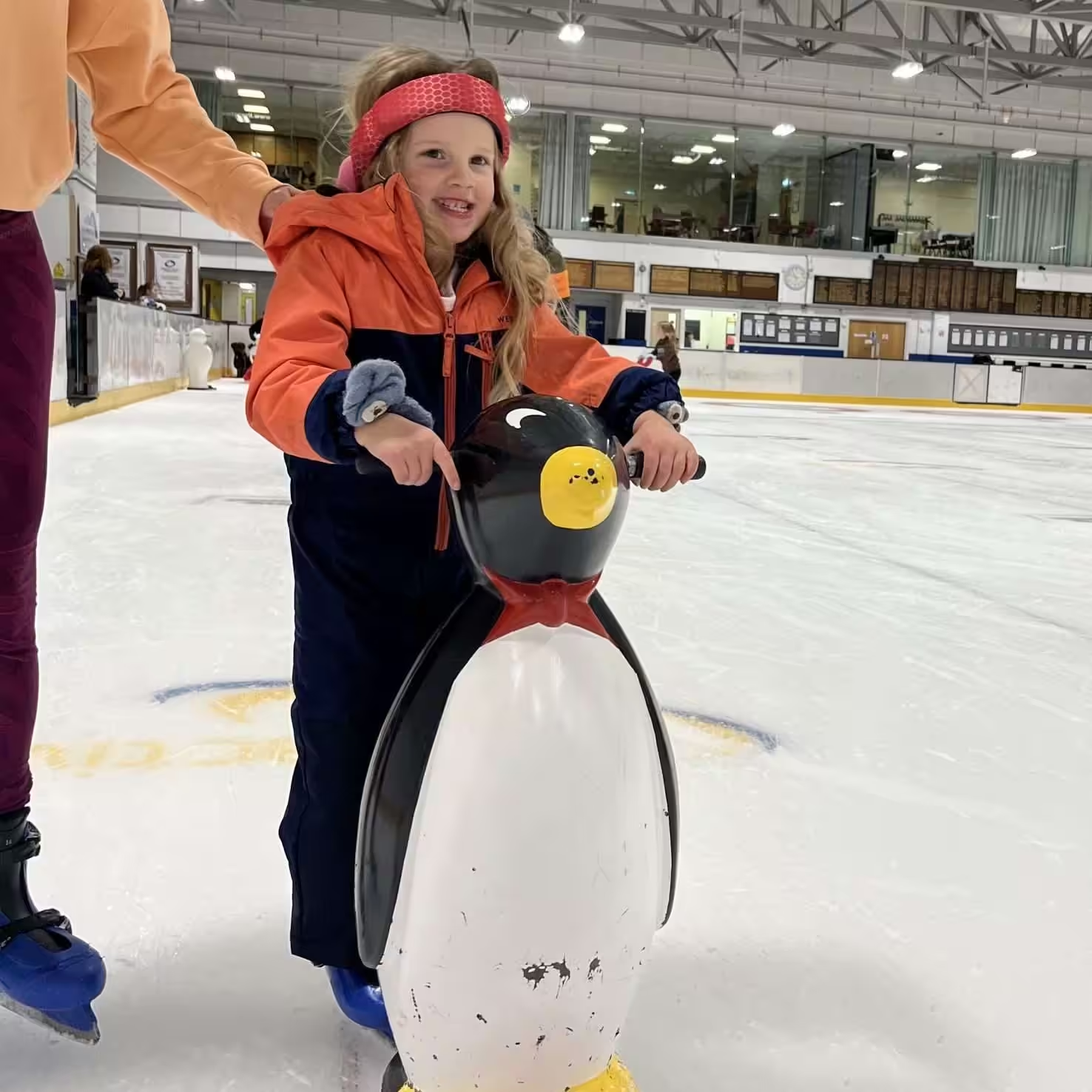
Brain Injury in Skating | An Overview
Figure skating combines speed, balance, jumps, spins, turns and rapid changes of direction on a hard frozen surface. Falls at high speed that result in the head hitting the ice can be serious, or even life-threatening.
Ice skating more broadly presents the same fundamental head-impact problem. A skater can catch an edge, lose balance, collide with another skater or simply fall backwards. When the head strikes the ice, the impact can be sudden, hard and angled.
This matters because brain injury is caused by the movement of the brain during an impact. An angled impact rotates the skull and brain, creating shear strain within brain tissue. Rotational acceleration is strongly associated with the tissue deformation involved in concussion and traumatic brain injury [2, 3].
How Do Head Impacts in Figure Skating and Ice Skating Injure the Brain?
The brain is soft tissue suspended inside the skull. When the head is rapidly accelerated during impact, the brain does not move uniformly with the skull. This movement creates biomechanical strain within brain tissue. The damage can affect brain cells, axons, tiny blood vessels and the blood-brain barrier.
Concussion
Concussion is a traumatic brain injury caused by biomechanical forces transmitted to the brain. In ice skating and other ice-based sports, including curling, this can happen when the head hits the ice during a fall or is rapidly accelerated during another impact.
Rotational movement is particularly important in brain injury biomechanics. Rapid rotation of the head creates shear forces within the brain and is strongly associated with the tissue strain involved in concussion [2, 3].
A concussion does not require a skull injury, cut or visible damage to the outside of the head. The injury occurs to the brain.
Rotational Brain Injury
When the head strikes the ice at an angle, the skull can rotate rapidly.
The brain lags behind this movement because of inertia. Different areas of brain tissue move at different rates, creating shear strain across neural tissue and blood vessels.
Research into concussion biomechanics has repeatedly identified rotational acceleration as an important driver of brain strain [2, 3].
Watch a real-world example: Curler, Rob Packham, talks about his fall on the ice and why he wears Halos®.
This can result in:
- stretching and shearing of brain cells and axons;
- damage to small blood vessels;
- disruption of normal brain-cell function;
- damage to the blood-brain barrier; and
- neuro-inflammation.
This is why the rotation of the brain is a critical factor to reduce in head impacts.
Diffuse Axonal Injury
More severe acceleration and rotational movement can stretch and damage the long nerve fibres, axons, connecting different areas of the brain [4].
This form of injury is known as diffuse or traumatic axonal injury.
Axons form the communication network of the brain. Damage to them can disrupt the way different brain regions communicate and is associated with serious neurological impairment.
Rotational and acceleration-deceleration forces are recognised mechanisms of axonal injury [4].
Headwear and Brain Protection Are Not the Same Thing
Head protection can reduce the risk of injury to the scalp without adequately protecting the brain. That is where brain protection for figure skating and ice skating differs from conventional padded headwear.
Traditional protective padding can be useful for reducing the risk of cuts, abrasions, and superficial injury. Brain injury presents a different challenge.
The brain is injured by the forces transmitted through the head during an impact. For concussion and other traumatic brain injuries, both linear and rotational acceleration matter, with rotational acceleration strongly associated with brain-tissue strain [2, 3].
For figure skating and ice skating, this distinction is particularly important because a major impact mechanism is head-to-ground contact and impacts to the back of the head, or occipital region.
Protective equipment intended to protect the brain should therefore be judged by whether it has been independently tested to reduce the transmission of rotational forces in head impacts.
Thickness and softness alone do not answer that question. Independent biomechanical testing does.
The Rezon Halos® Figure Skating Headband is the only headband to have achieved both a Virginia Tech 5-Star rating and CE/UKCA Category II PPE certification.
Rezon Halos®: Brain Protection for Figure Skating and Ice Skating
Rezon Halos® is designed specifically to reduce the forces transmitted to the brain during a head impact.
Halos® uses patented Rotection® technology, which allows controlled movement within the protective system to reduce both rotational and linear acceleration.
Independent testing at Virginia Tech examined head-to-head impacts and found reductions of:
- up to 61% in rotational acceleration; and
- up to 64% in linear acceleration [5]
Halos® achieved a Virginia Tech 5-Star safety rating, with a result corresponding to a 74% reduction in concussion risk using the Virginia Tech STAR methodology [5].
Independent laboratory testing designed to simulate an extreme head-to-ground impact found that Halos® reduced:
- peak rotational acceleration by an average of 27%; and
- peak linear acceleration by an average of 41% [5]
Halos® is also CE and UKCA Category II PPE certified. It is the only non-helmeted head protection to combine this level of PPE certification with a Virginia Tech 5-Star rating.
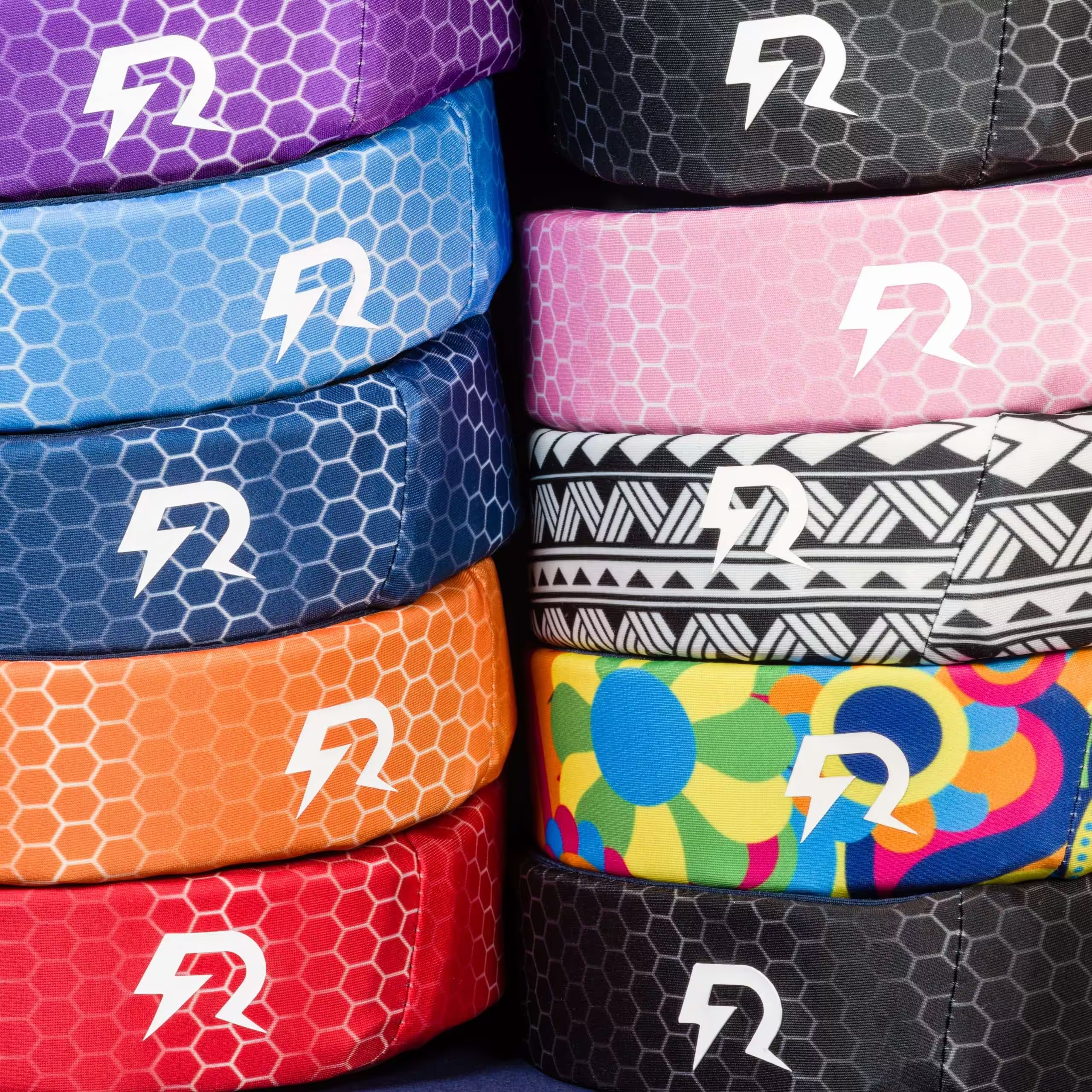

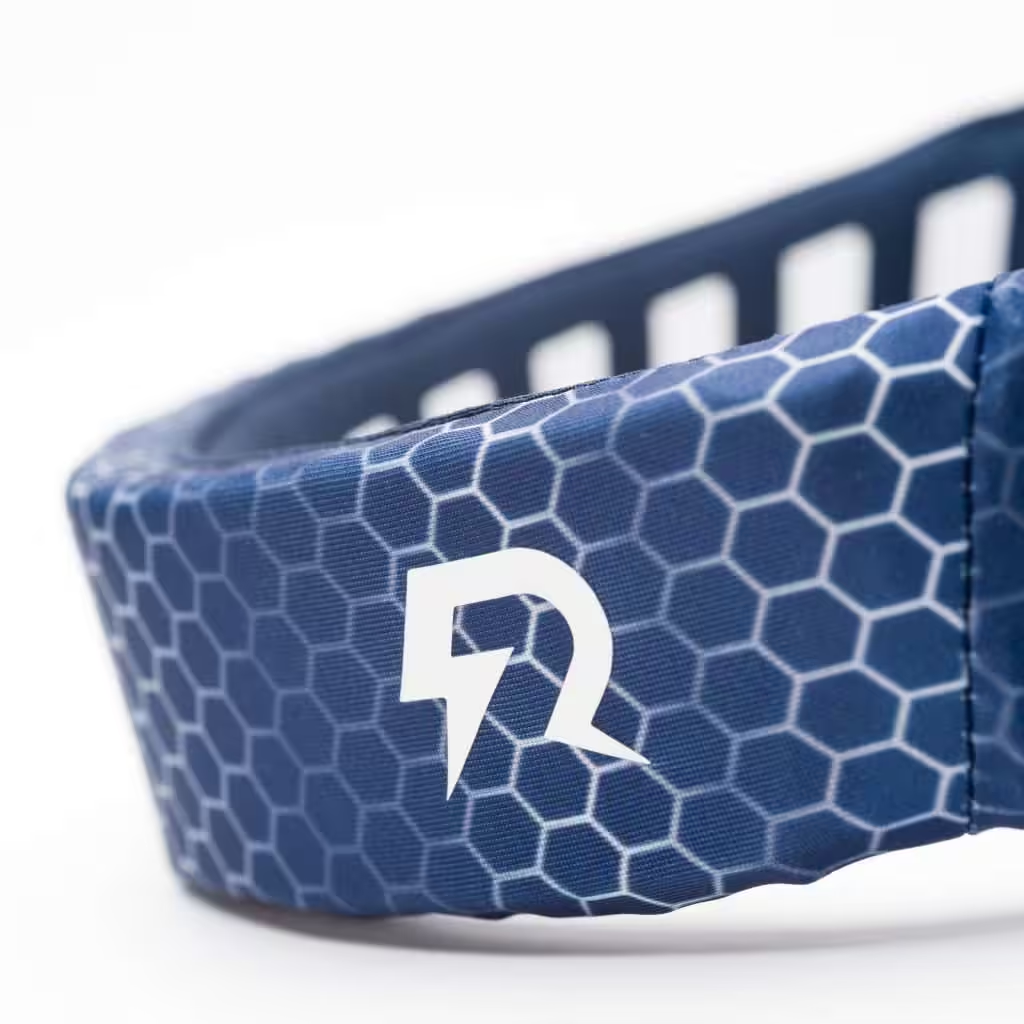
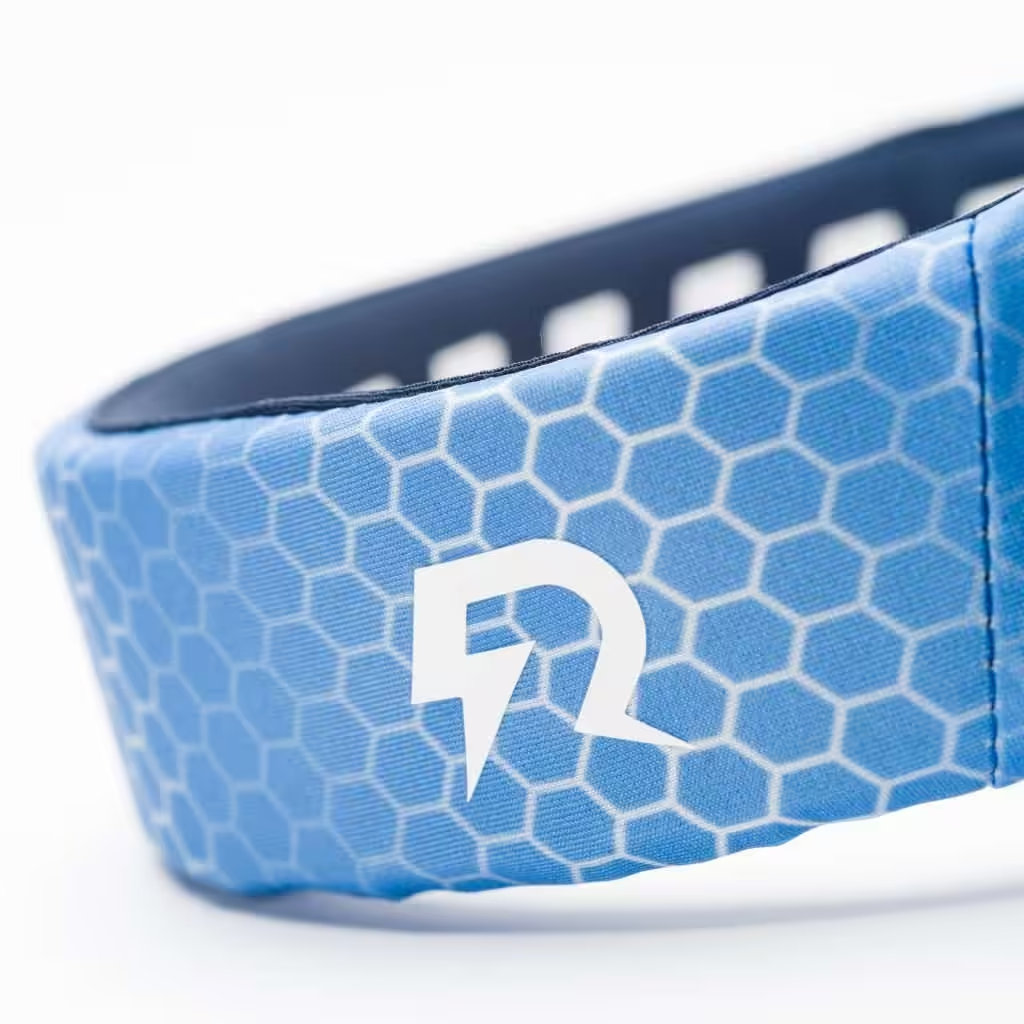
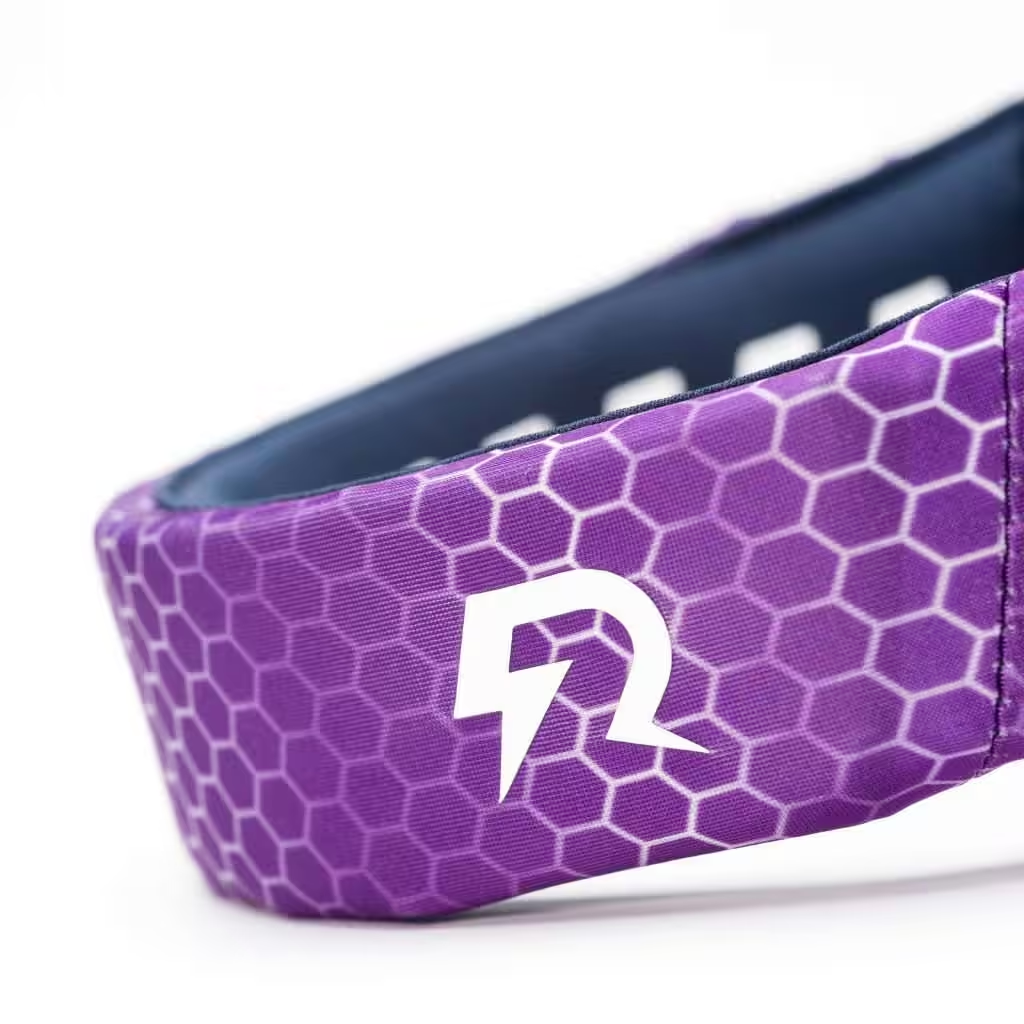
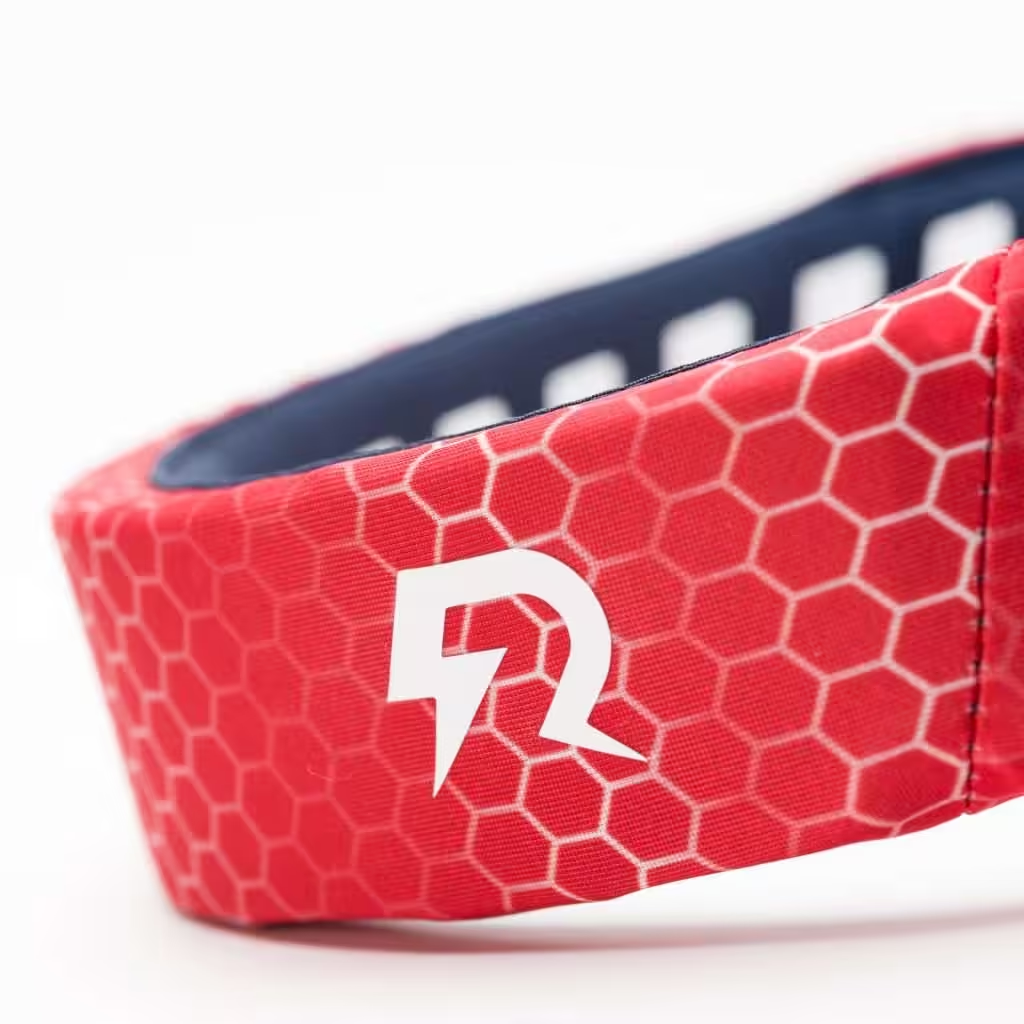
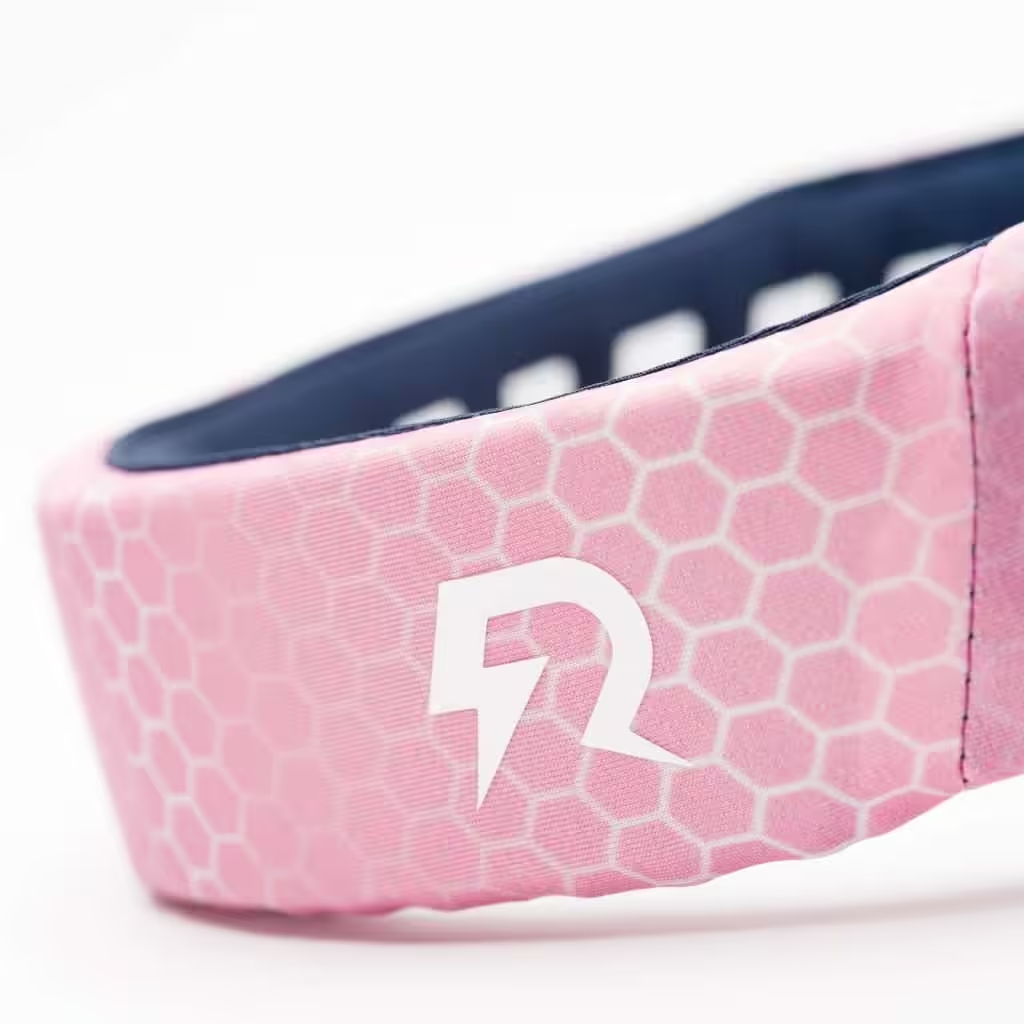
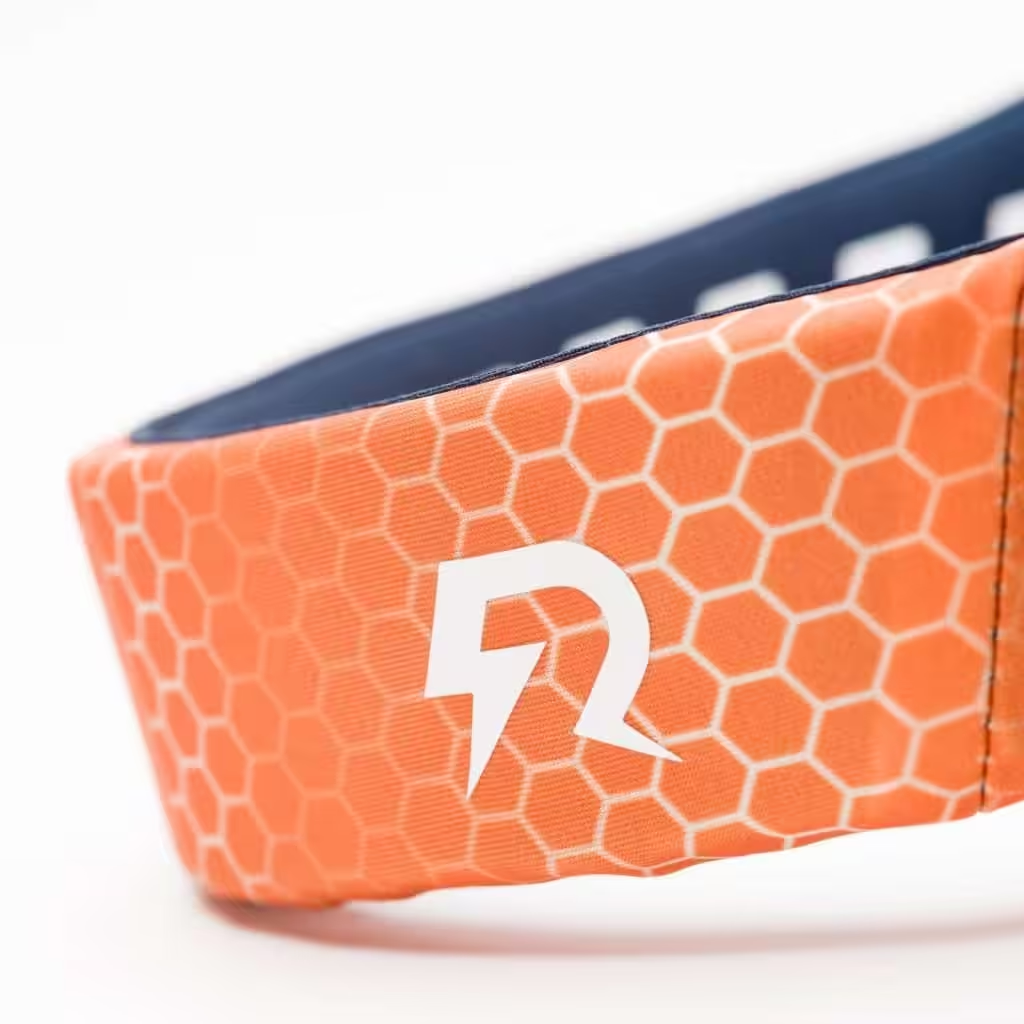
Rezon Halos®: Figure Skating Headguard
Halos® is a groundbreaking figure and ice skating headguard that protects the brain. It’s the only head protection of its kind that is designed to reduce your risk of concussion and developing Chronic Traumatic Encephalopathy (CTE) from the accumulated damage of sub-concussions.
Why Halos®?
- Reduces concussion risk by 74%*
- Reduces rotational force to the brain by up to 61%, and linear force by up to 64%*
- Internationally recognised Virginia Tech 5-star safety rating
- CE/UKCA Category II PPE-certified
- Sleek, lightweight, flexible and hypoallergenic
- Available in a range of colours
- Water and tear-resistant
- Machine washable
*based on independent testing
- Elite Figure Skaters Return to Sport Strategy Following Sports-Related Concussion: A Clinical Commentary. Freund B, Mohney G. International Journal of Sports Physical Therapy. 2025.
- Biomechanics of Concussion. Meaney DF, Smith DH. Clinics in Sports Medicine. 2011.
- Rotational Acceleration, Brain Tissue Strain, and the Relationship to Concussion. Post A, Hoshizaki TB. Journal of Biomechanical Engineering. 2015.
- Diffuse Axonal Injury in Head Trauma. Smith DH, Meaney DF, Shull WH. Journal of Head Trauma Rehabilitation. 2003.
- Our Laboratory Testing for Halos®. Rezon.