

The World’s Most Advanced Field Hockey Head Protection

Independently proven to reduce rotational forces in concussions and sub-concussions, and reduce brain injury risk.
  • Reduces concussion risk by 74%*
  • Reduces rotational force transmission by up to 61%*

  • Reduces linear force transmission by up to 64%*

Virginia Tech 5-Star Rated
CE Categoty II PPE
UKCA Category II PPE
British Safety Industry Federation approved
*Based on independent testing in the Virginia Tech Helmet Lab – Halos® is 5 Star rated.
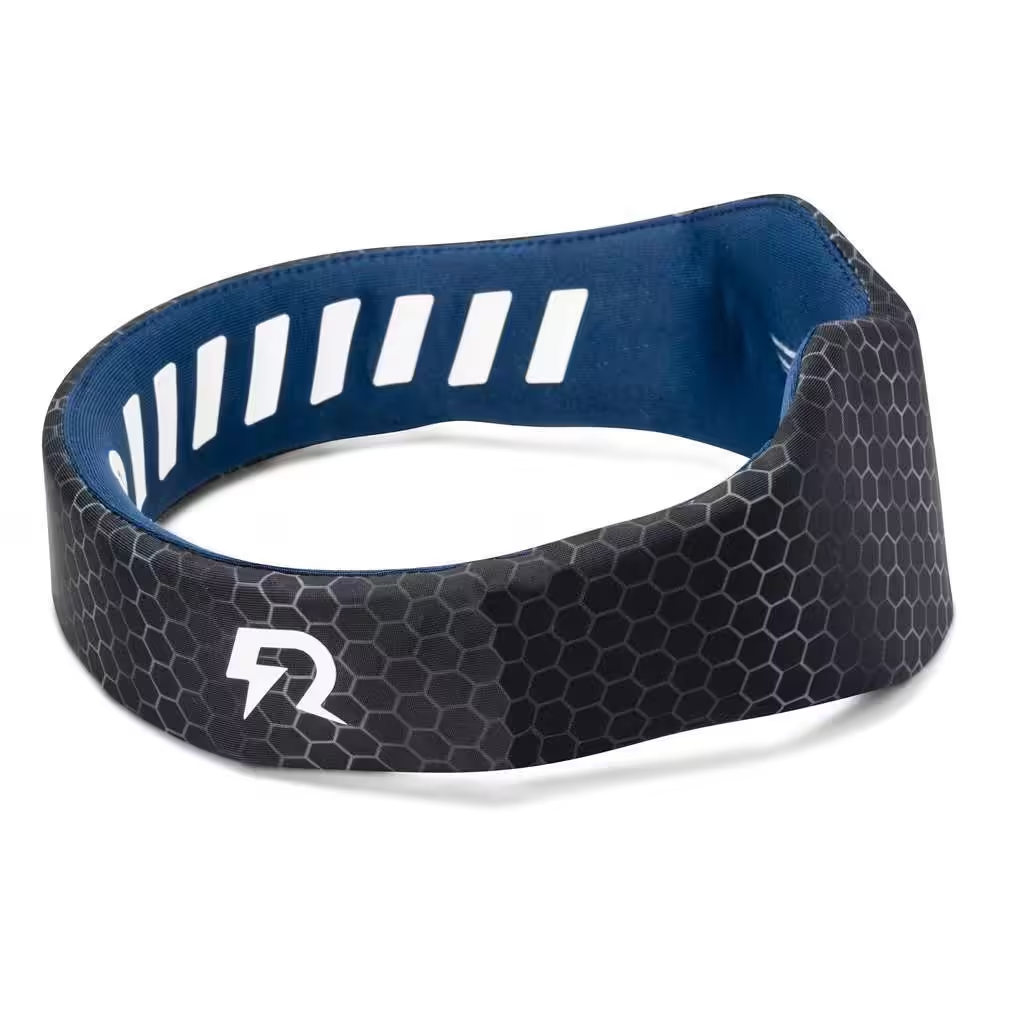
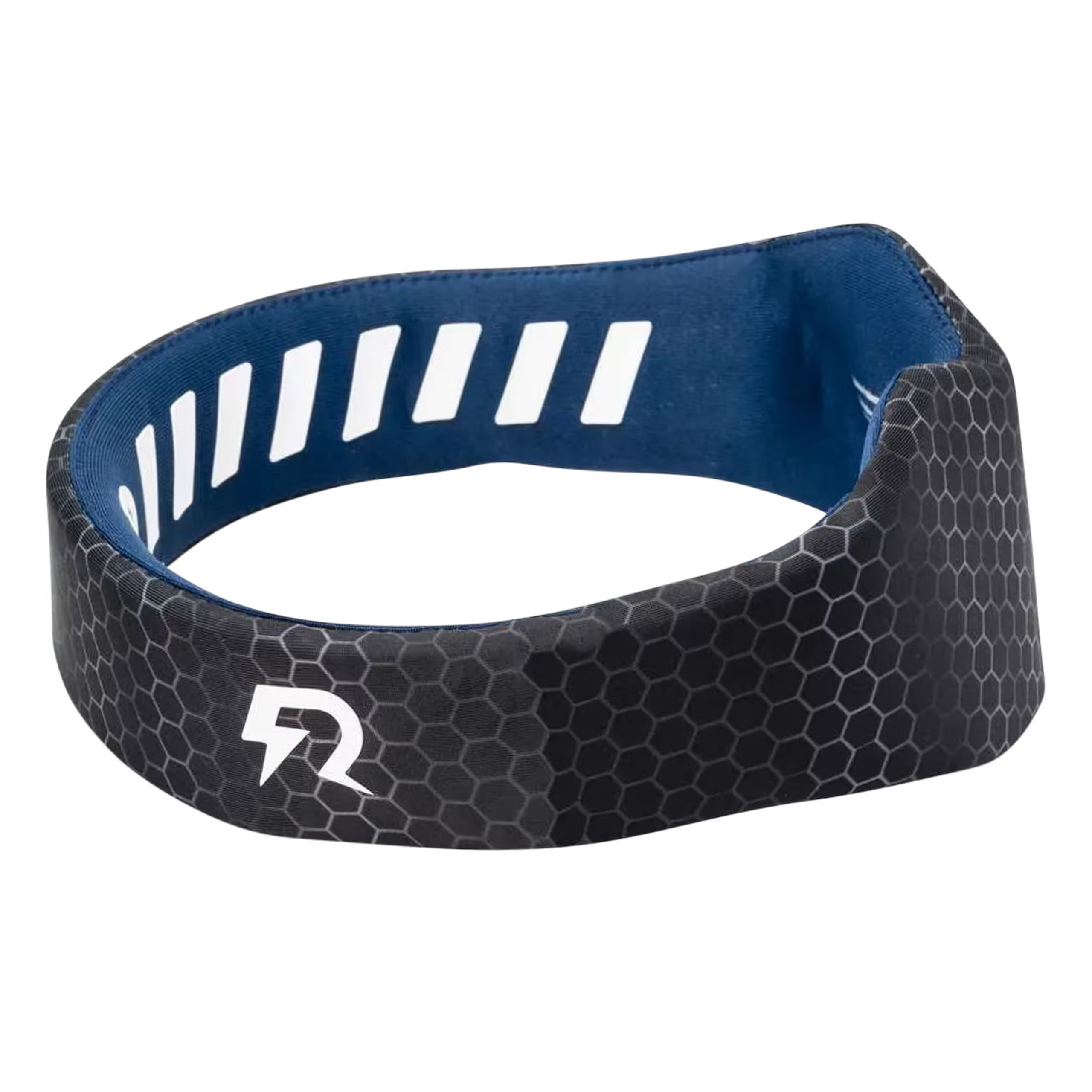
Rezon Halos Hexo black band
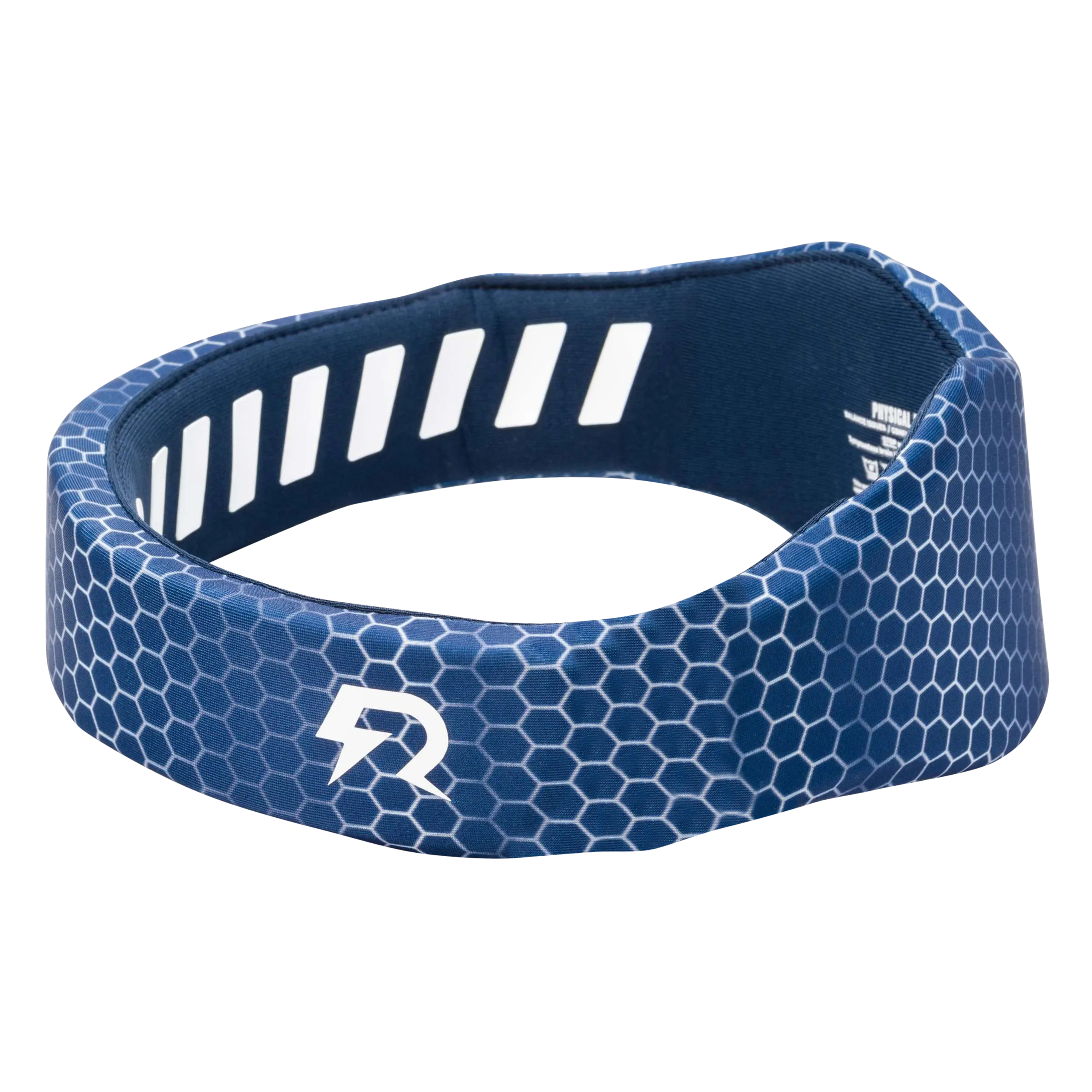
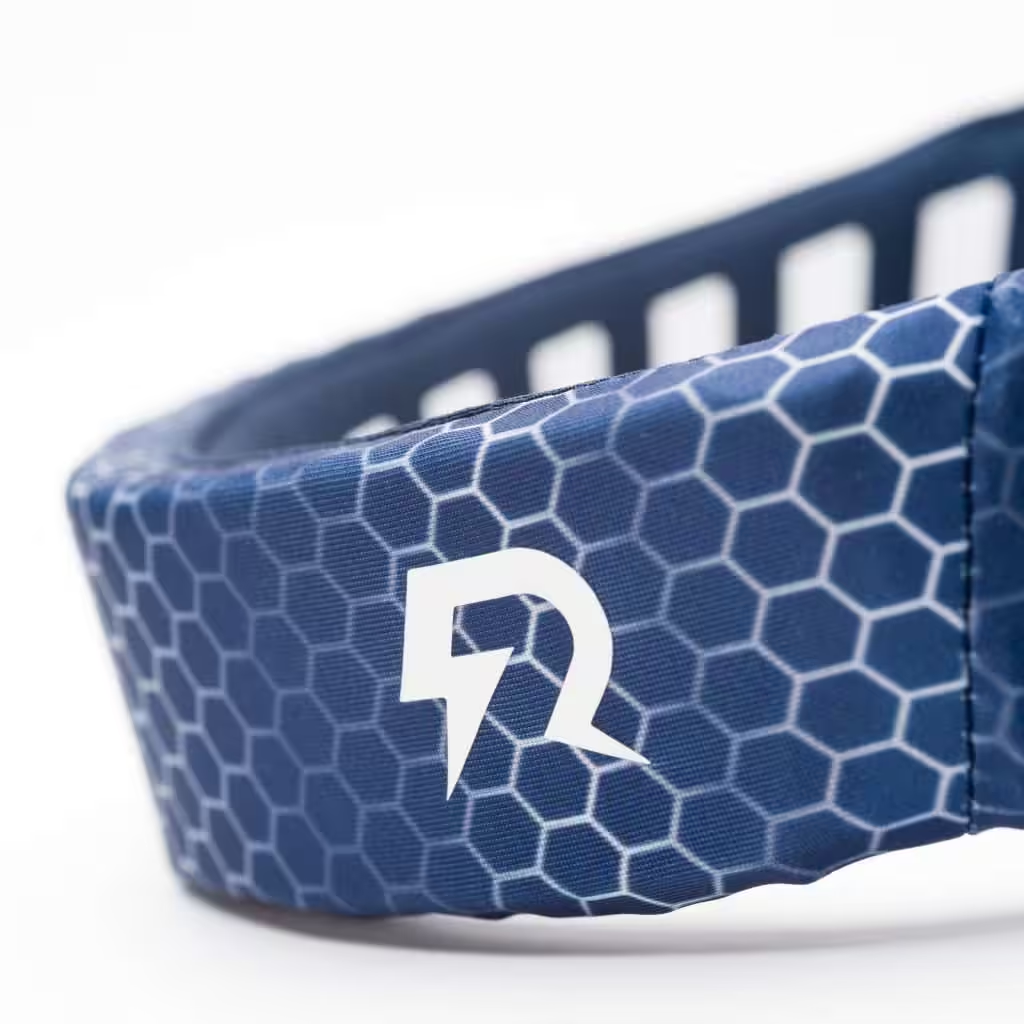
Halos Hexo Navy close-up logo
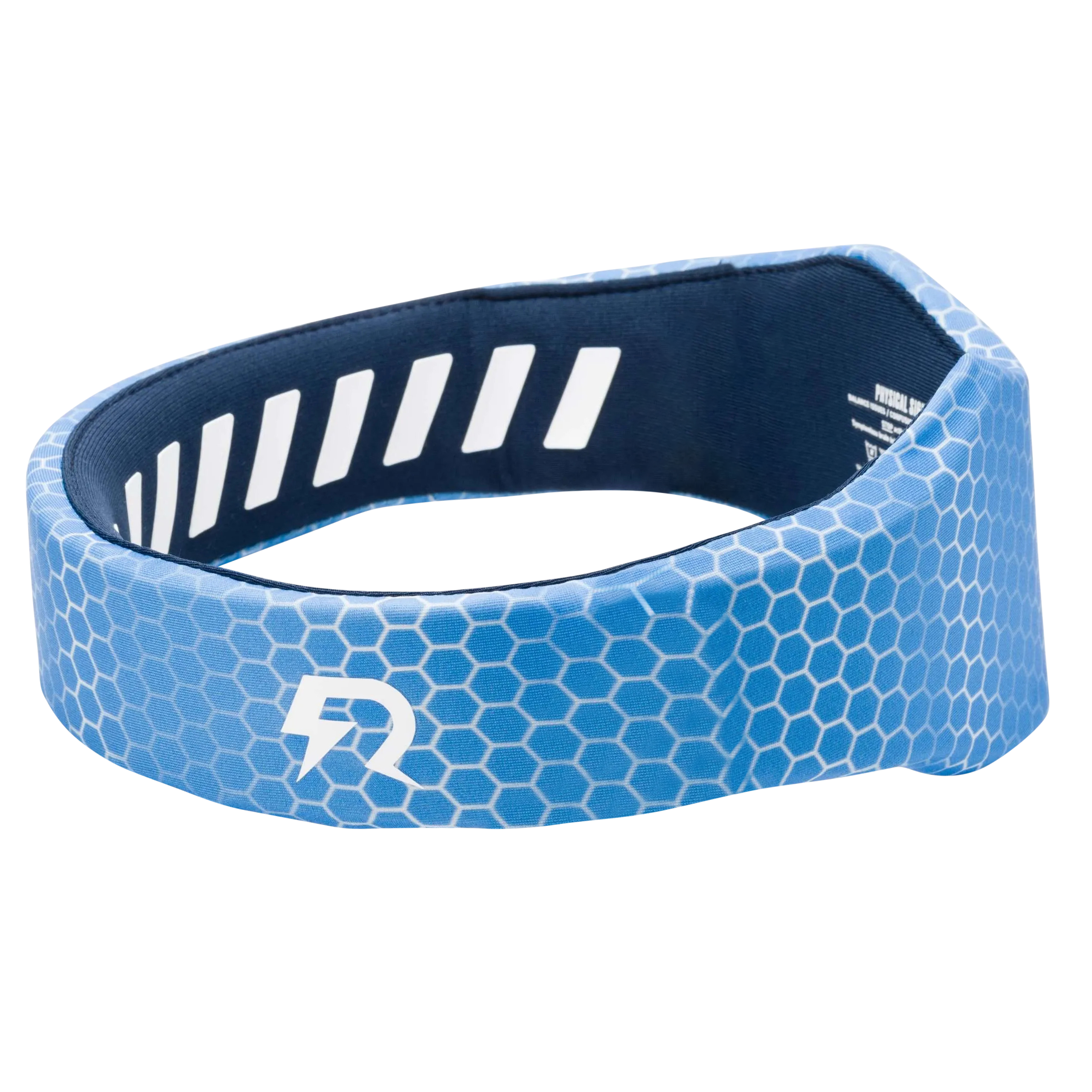
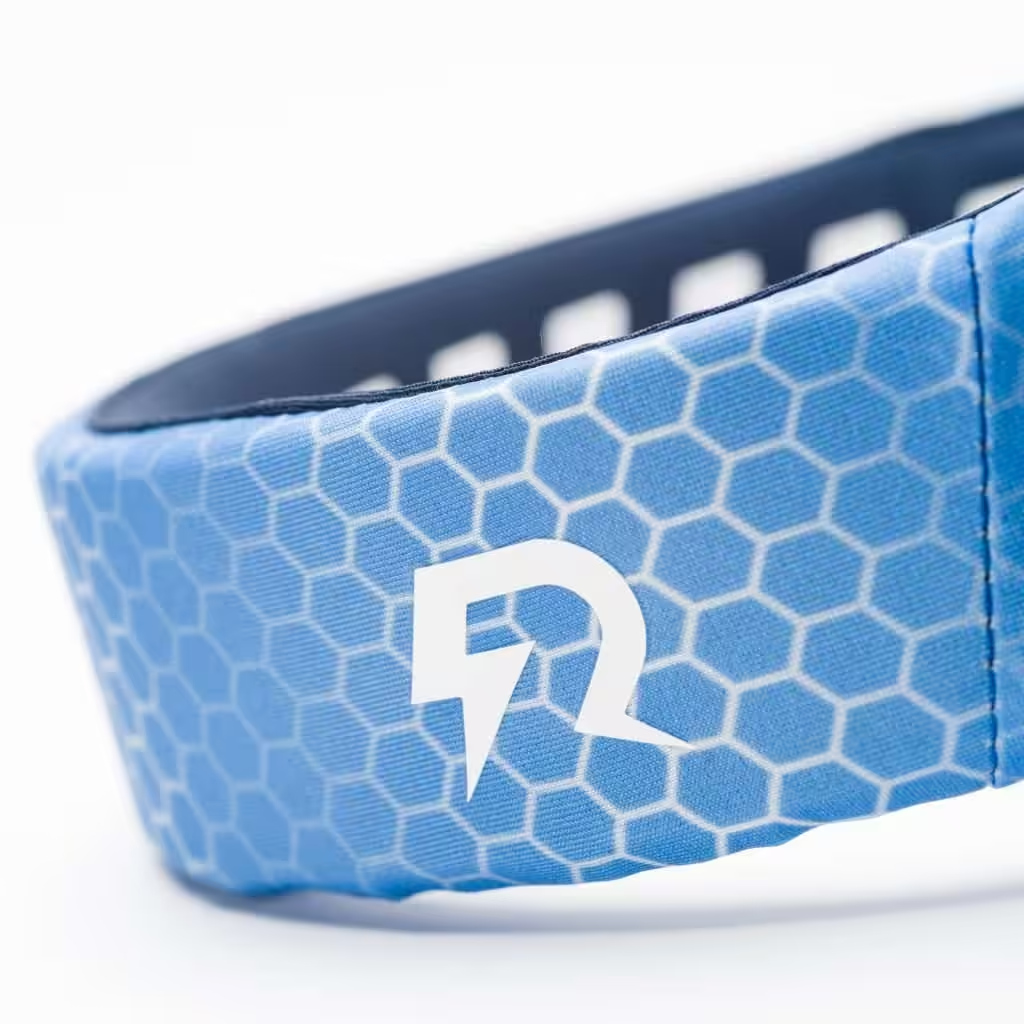
Halos Hexo Blue close-up logo
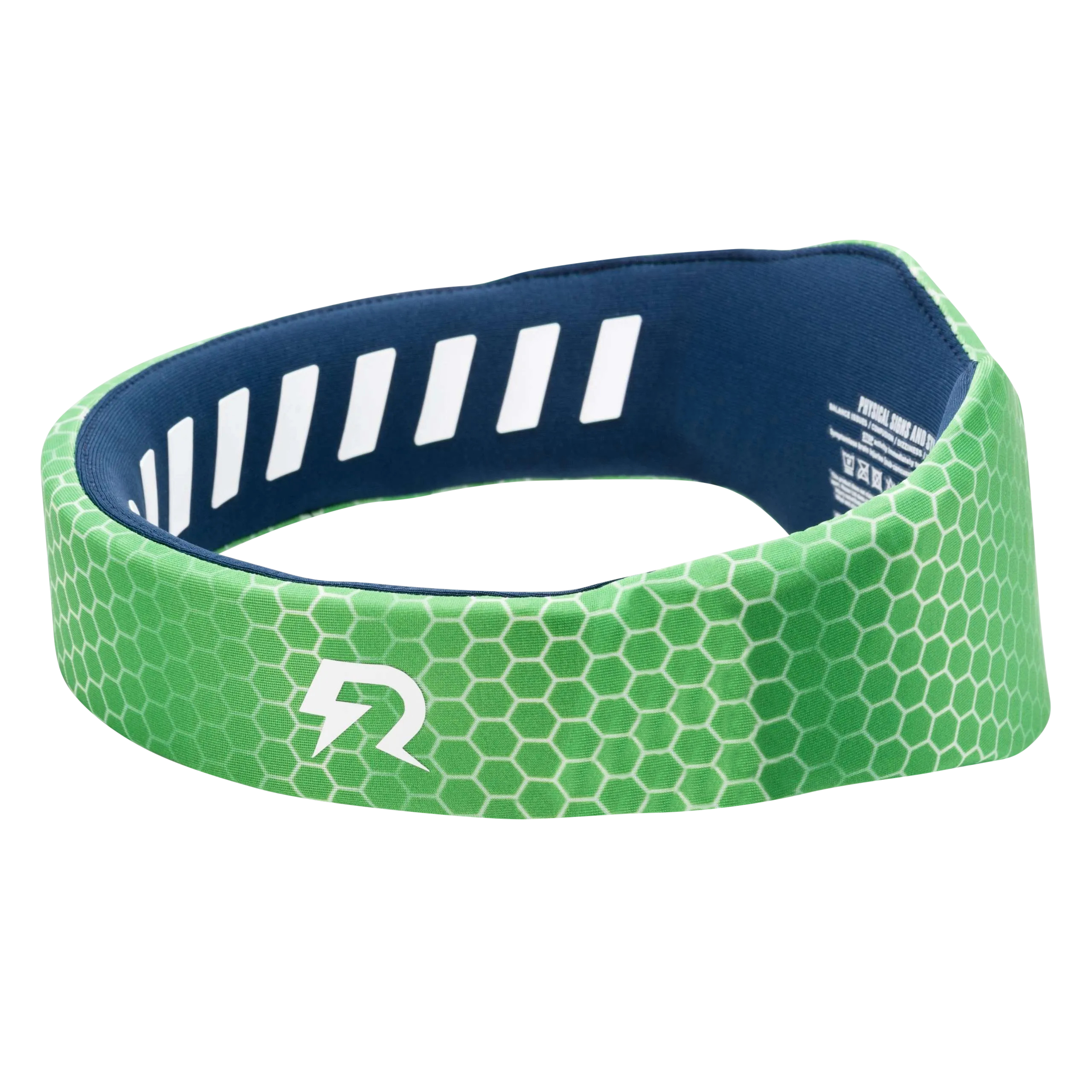
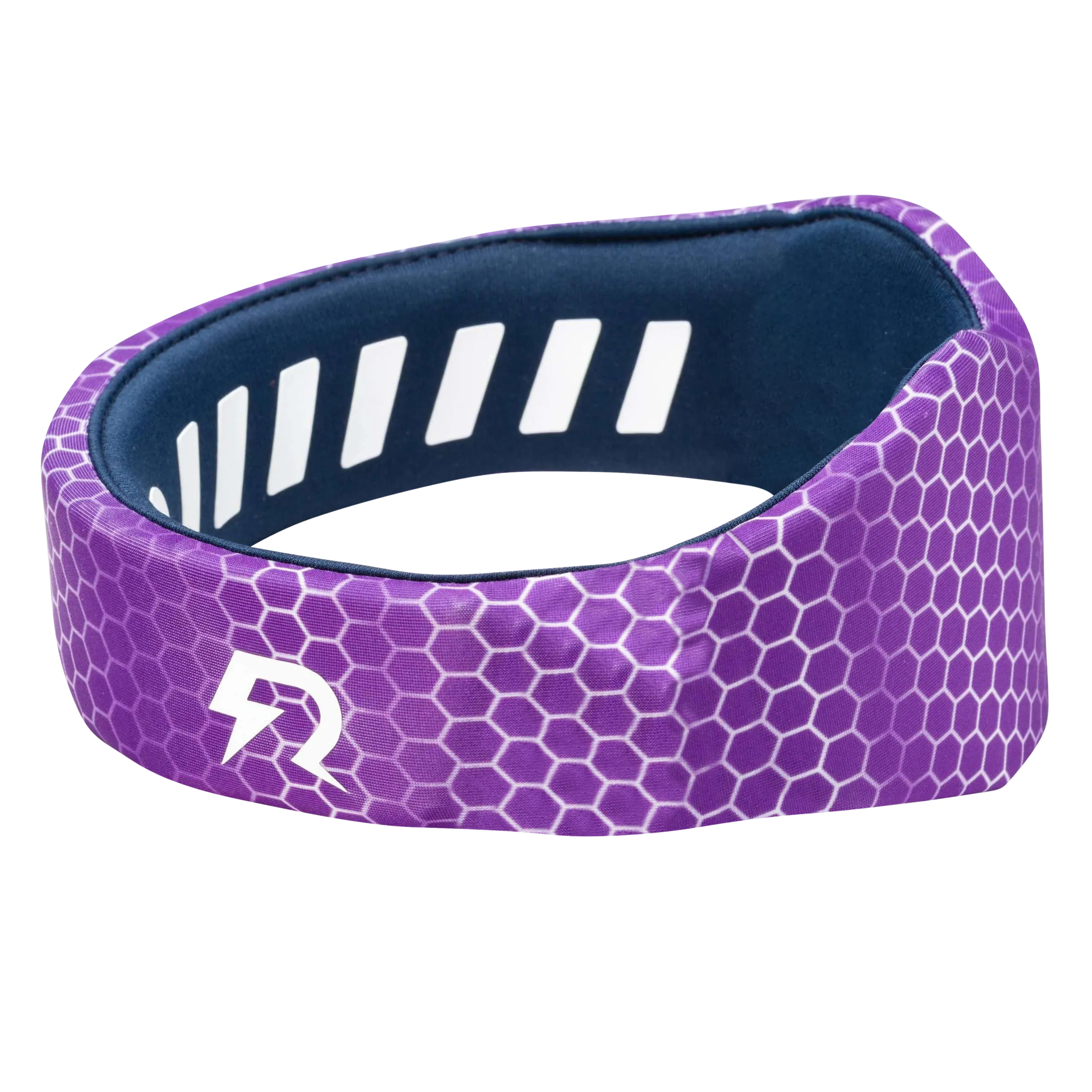
Halos Hexo Purple close-up logo
Halos Hexo Red close-up logo
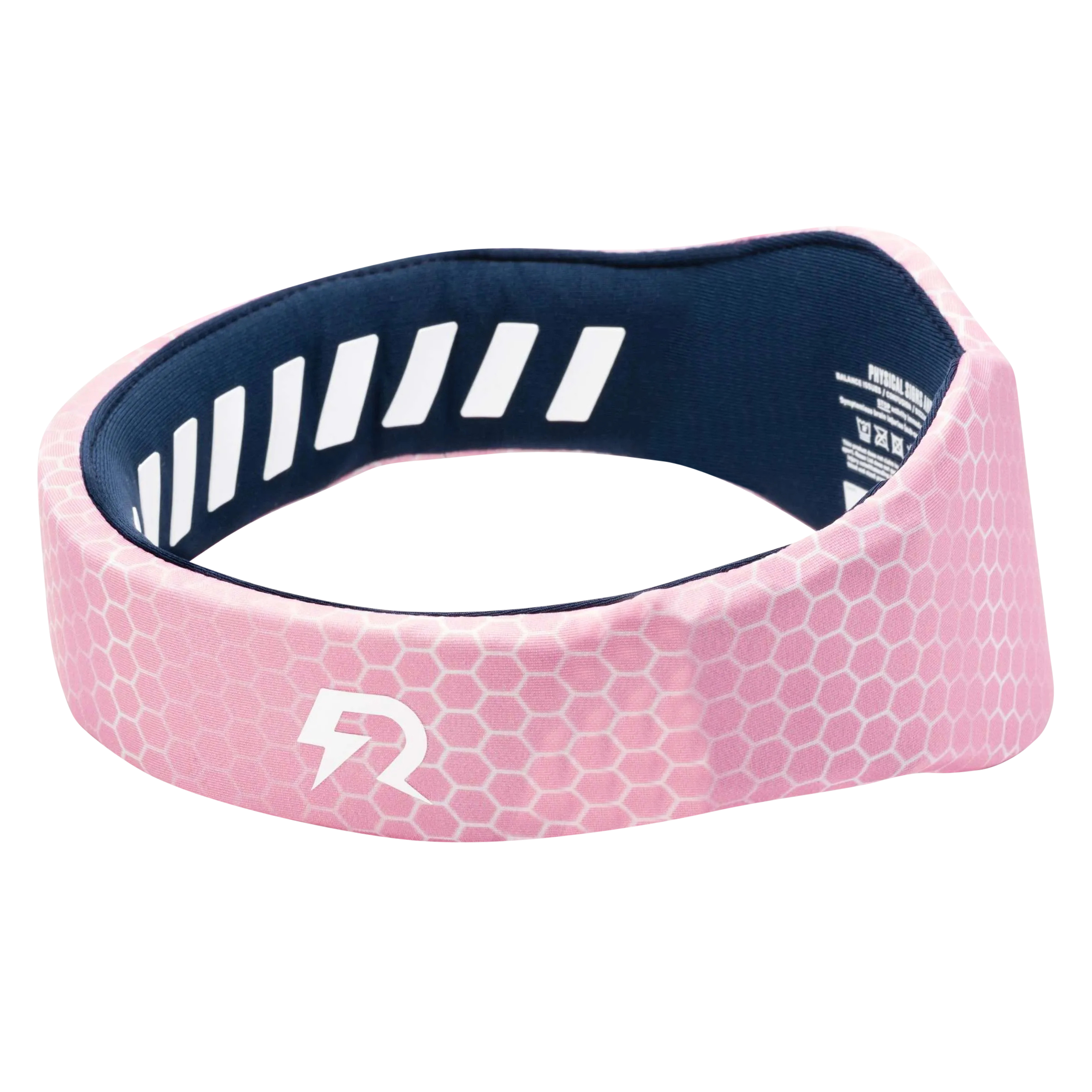
Halos Hexo Light Pink close-up logo
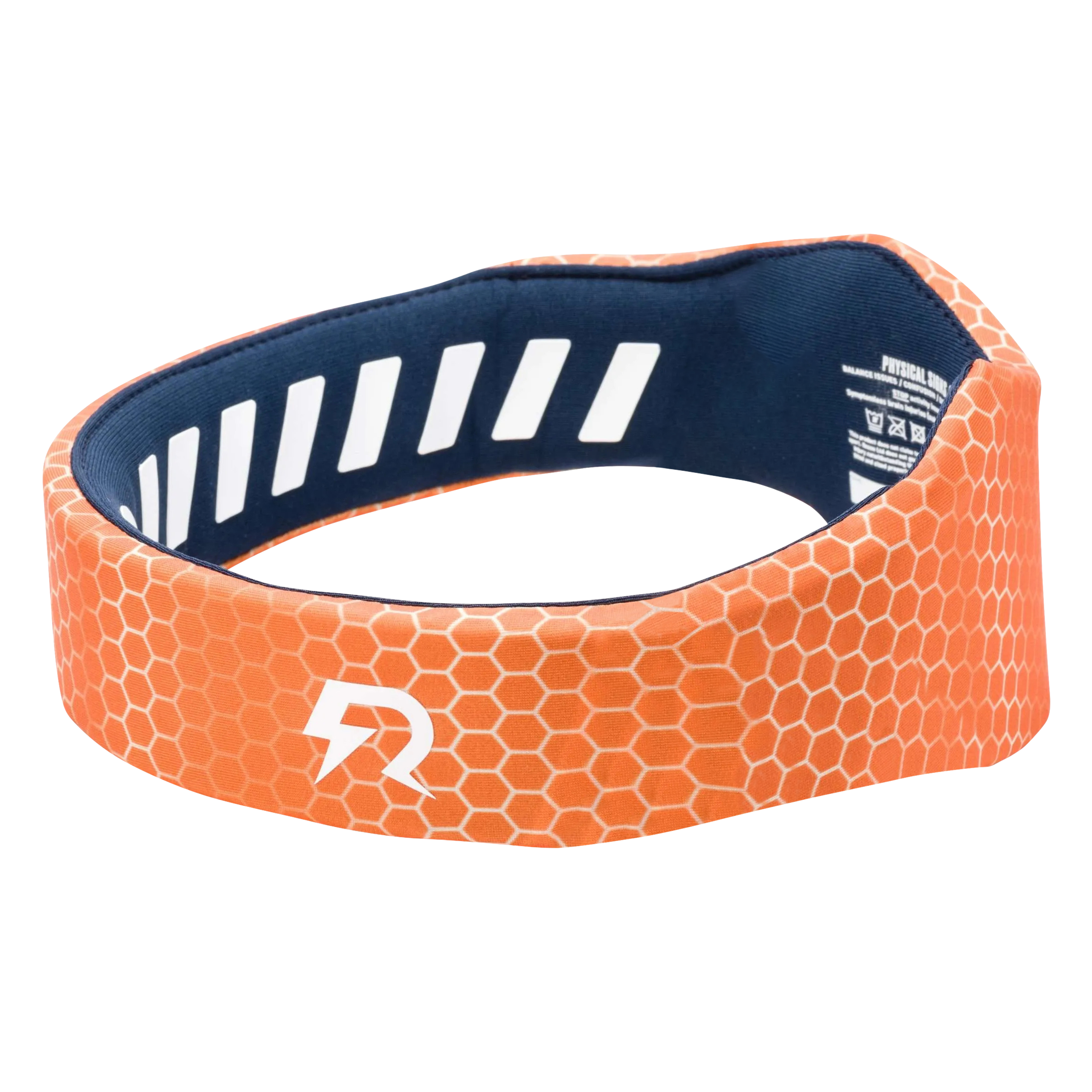
Halos Hexo Tangerine close-up logo

Rezon Halos®: Protecting Your Brain in Hockey

Halos® is a groundbreaking hockey headband that protects the brain. It’s the only headgear of its kind that is designed to reduce your risk of concussion and developing Chronic Traumatic Encephalopathy (CTE) from the accumulated damage of sub-concussions.

Why Halos®?

  • Reduces concussion risk by 74%*
  • Reduces rotational force to the brain by up to 61%, and linear force by up to 64%*
  • Internationally recognised Virginia Tech 5 star safety rating
  • CE/UKCA Category II PPE-certified
  • Sleek, lightweight, flexible and hypoallergenic
  • Water and tear-resistant
  • Machine washable

*based on independent testing

As seen in

Customer reviews

Rezon Halos® is worn across 19 sports and 34 countries.

“I bought a Rezon Halos® for my daughter after she suffered a concussion playing hockey. She finds it comfortable to wear, and it has given me real peace of mind as a parent. I would recommend this to anyone looking for additional protection for children playing contact sports.”

Taryn Holding
Rezon Halos black

Purchased:
Halos® Hexo Black | Extra Small

“My son Aaron got hit on the head by a hockey ball and suffered from quite severe concussion for over 12 months. He missed lot of school, and wasn’t able to sit his GCSE exams as a result of it. Rezon Halos® helped make that return to hockey possible — for him, and for us as parents.”

Andrew Brompton
Rezon Halos black

Purchased:
Halos® Hexo Black | Extra Small

Patented

Rotection® Technology

Engineered to reduce rotational forces, which are the primary mechanism of brain injury.

Rotection® is a proprietary, nine-layered, comfortable, lightweight protective system to protect the brain across contact, collision, and combat sports. Independently tested at Virginia Tech, Halos® with Rotection® technology demonstrated up to a 61% reduction in rotational forces*. Deliberately designed to protect your brain.

*based on independent testing.

Why Halos® is different.

Rezon Halos® is the only non-helmeted head worn protection to hold both CE / UKCA Category II PPE certification and a Virginia Tech 5 Star safety rating.

Conventional headgear in sport is designed to only protect from surface injury, cuts and abrasions. Halos® is different, it is brain protection.

Halos® is engineered to protect your brain by reducing the transmission of rotational forces in sub-concussive and concussive impacts. By lowering exposure to these forces, Halos® is focused on reducing neuro-inflammation and lessening the risk of triggering longer-term neuro-degenerative consequences, including CTE, motor neurone disease, and Parkinson’s disease.
Why do you protect your shins and teeth, but not your brain?

Every head impact creates rotational forces to the brain.

This is associated with the tearing of tiny blood vessels and brain cells; and over time, in the breakdown of the protective blood-brain barrier and the creation of damaging neuro-inflammation. This increases the risk of longer-term neurodegenerative consequences, including Chronic Traumatic Encephalopathy (CTE).

CTE is an early onset-dementia that typically occurs in ages 30-50 but can occur in teenagers and is a condition almost unique to contact and collision sports players.

Rezon Halos® brain protection being worn in field hockey training.
YouTube video player 1

The Brain is Vulnerable

In sports, the brain is vulnerable to rotational forces from both concussions and sub-concussions.

Sub-concussions are small force impacts that damage brain cell function, but do not produce evident signs or symptoms of concussion – so they go unnoticed. Sub-concussions are over 500 times more common than concussions in sport.

Repeated sub-concussions impact memory and attention, suppress brain function, and contribute to later life mood and behaviour problems including CTE. The risk and severity of CTE is caused primarily by the cumulative damage of multiple sub-concussive impacts, and not by concussions.

How does Halos® protect the brain?

Halos® protects your brain from rotational forces – this is where your brain rotates within your skull on impact, and is a lot more common than you think.

And that’s the biggest issue in brain injury: the undetected damage of rotational forces from repeated sub-concussions goes unnoticed, yet they’re progressively tearing brain cells and blood vessels, damaging the protective blood-brain barrier, and causing brain inflammation.

Halos® has nine protective layers, wrapped around the most critical areas of your head. On impact, each of these layers move over each other, reducing the transmission of rotational forces to the brain. Also three specific layers deform, further reducing impact energy.

Without wearing a Halos® in sport, your brain is subjected to damaging rotation. Halos® has been proven to reduce rotational forces by up to 61%. That’s a significant reduction for every player at every level, with the intention of reducing the risk of neurodegenerative consequences, which only start to be seen when the damage to the brain is already done.

Award-Winning Brain Protection for All

Rezon Halos® is suitable for use by all ages, players and sports in schools, universities, clubs and leagues.

Halos® gives every athlete the option to protect their brain, with a medically endorsed and legal protection product.


UKRI - Innovate UK logo
NIHR logo
Royal Academy Enterprise Hub logo
BSIF Product Innovation Award Logo 2023 winner
fit Sport Design Awards logo
YouTube video player 2

FAQs

Protective headgear – like Halos® headbands for concussions and sub-concussions – helps reduce the impact of head injuries, lowering the risk of concussions and sub-concussions.

Reducing the risk of sub-concussions is crucial. These impacts occur 500 times more frequently than concussions and are responsible for the development of neurodegenerative diseases like CTE.

Yes, concussions have a significant impact on early mortality. People with concussions were found to be twice as likely to die prematurely than the general population, with suicide and fatal injuries as the main causes of death [3].

Repetitive, sub-concussive impacts (i.e. impacts that do not produce overt signs or symptoms) cause damage to the brain when experienced repeatedly, and research proves that these lead to neurodegeneration later in life.

Brain injuries take longer to heal for players who continue to play following a concussion and these players have worse recovery outcomes. Players with concussions continuing to play can have twice as long a recovery as players who were immediately removed from play [4].

Wearing Halos® reduces the risk of brain injury.

By wearing Halos® consistently in training and games it is designed to reduce the accumulated burden of sub-clinical brain injury that triggers longer-term neurodegenerative risks.

No head-worn protection can guarantee to prevent all risk of brain injury.

Halos® protects the brain, not physical head coverage.

The design of Halos® reduces rotational forces i.e., the dangerous and relevant forces to the brain. It covers the areas of highest rotational injury risk – back, sides and front, and those areas of the head at the highest probability of incurring head injuries in sport.

The top of the head is not covered because an estimated 6% of injuries are to the top of the head and contribute to the lowest rotational forces experienced by the brain. Halos covers 53% of the head surface area.

On impact, the nine layers of Rotection® technology inside Halos® moves in a “zig-zag” motion to absorb up to 30mm of movement, drastically reducing the transmission of rotational forces to the brain.

Three specific layers within Halos® will part deform on impact and convert kinetic energy into heat, with energy being lost. Halos® specifically reduces rotational forces via nine layers moving over each other, with energy lost due to the friction between the layers. Rotection® technology reduces translational and rotational energy both internally within the layered construct and when on the head/scalp, when it moves with the skin with respect to the skull.

When Halos® receives an impact, the brain experiences a reduced amount of kinetic energy.

Follow Us on Social

#protectyourperformance