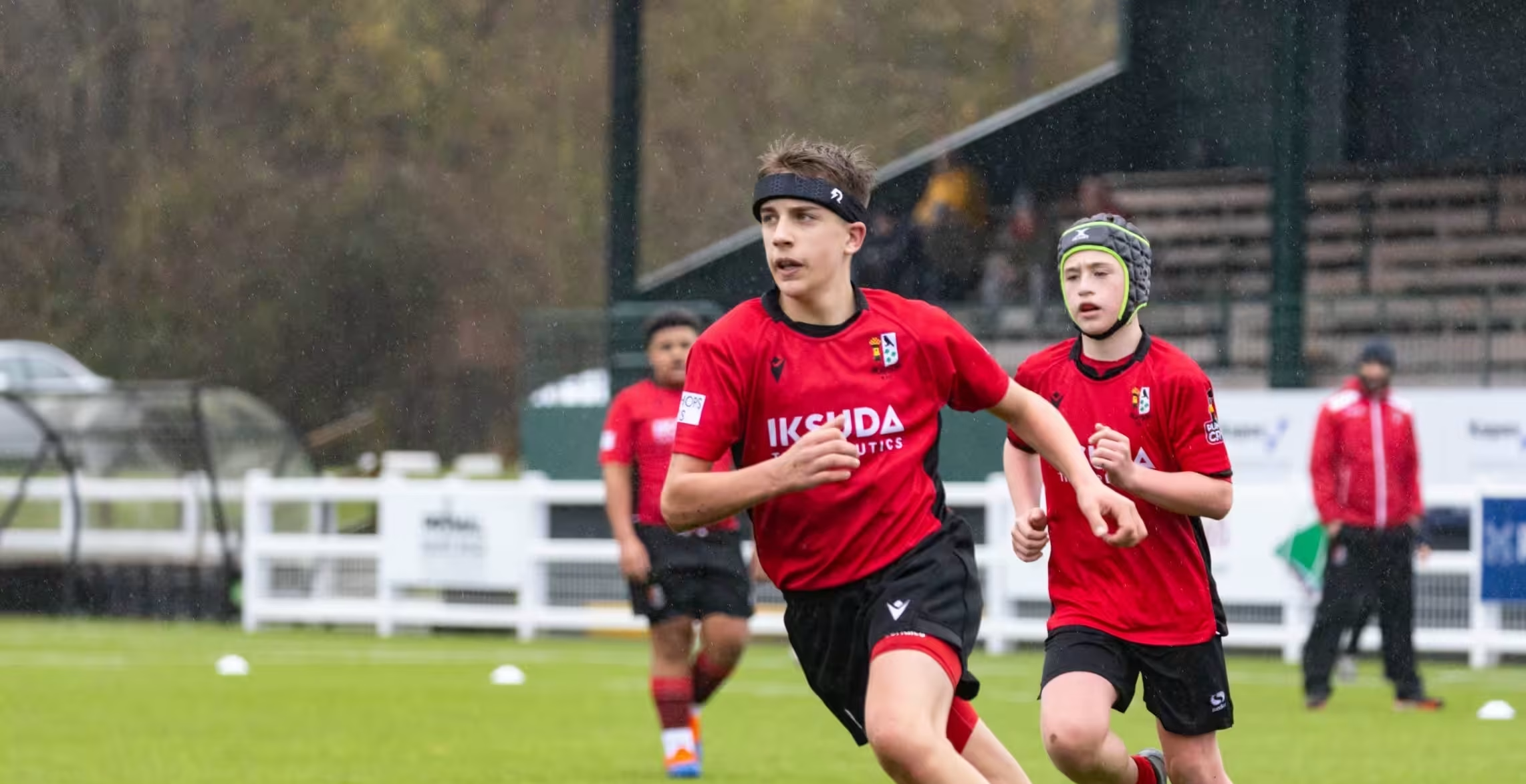
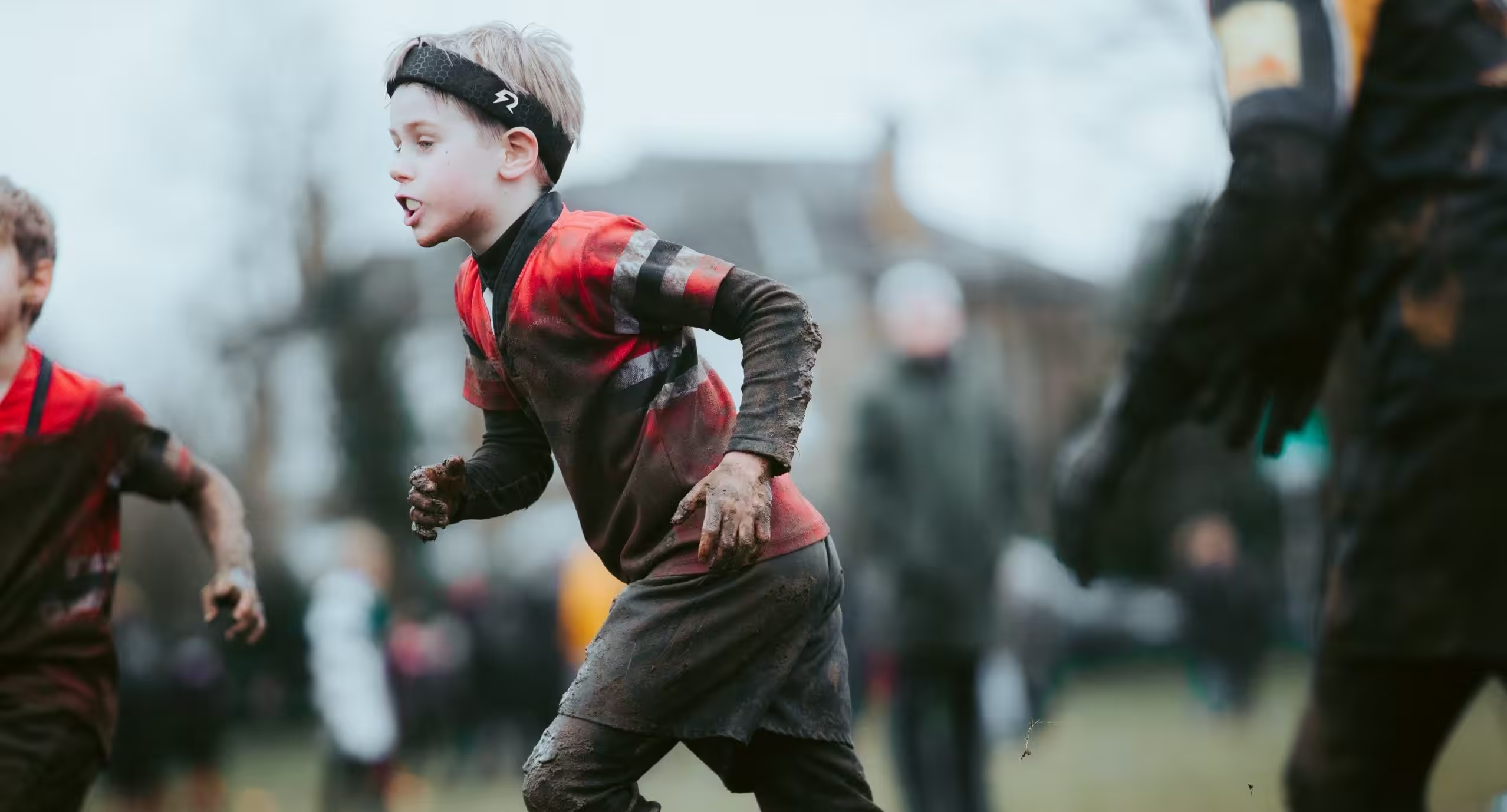
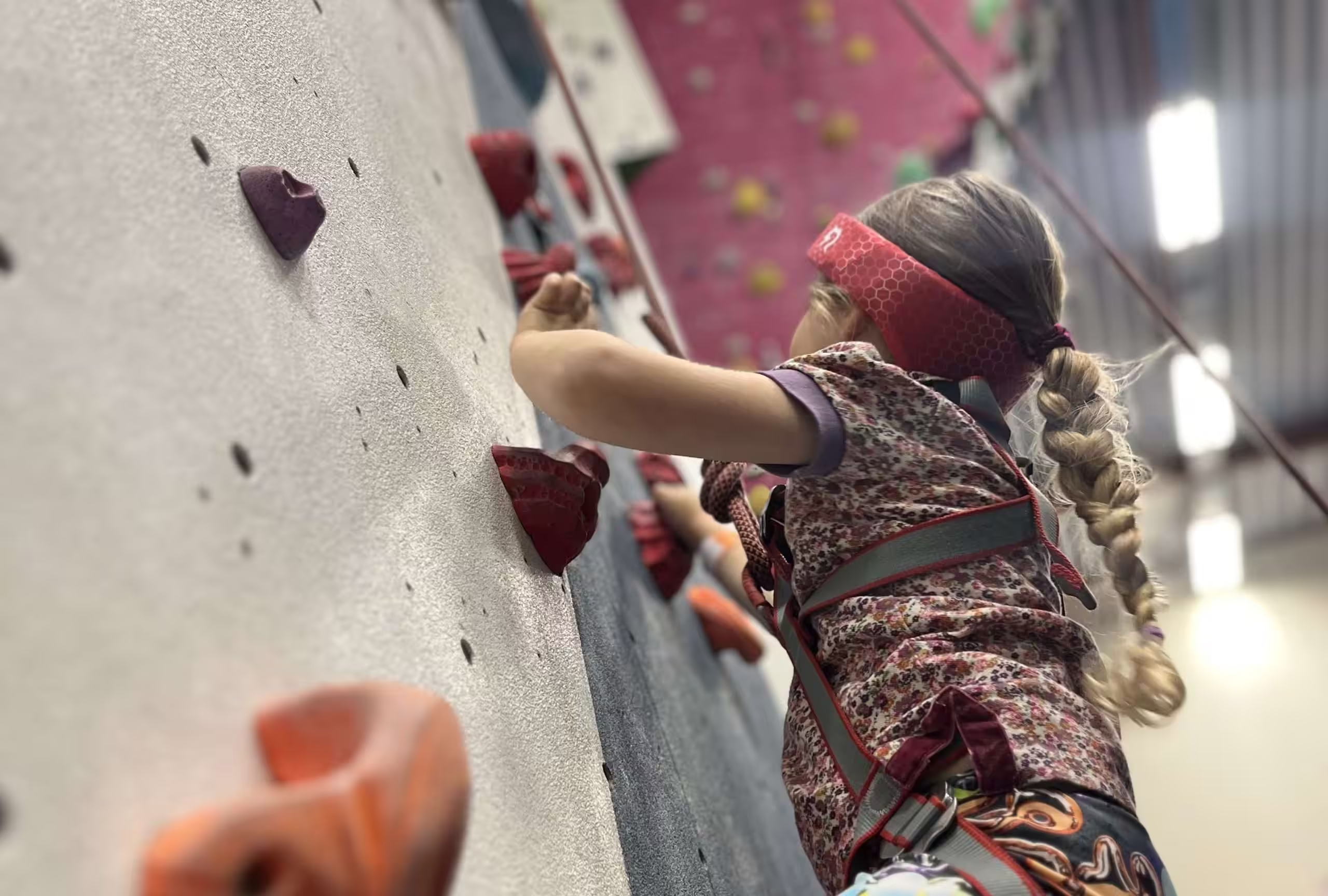
What is the best head protection for sport in 2026?
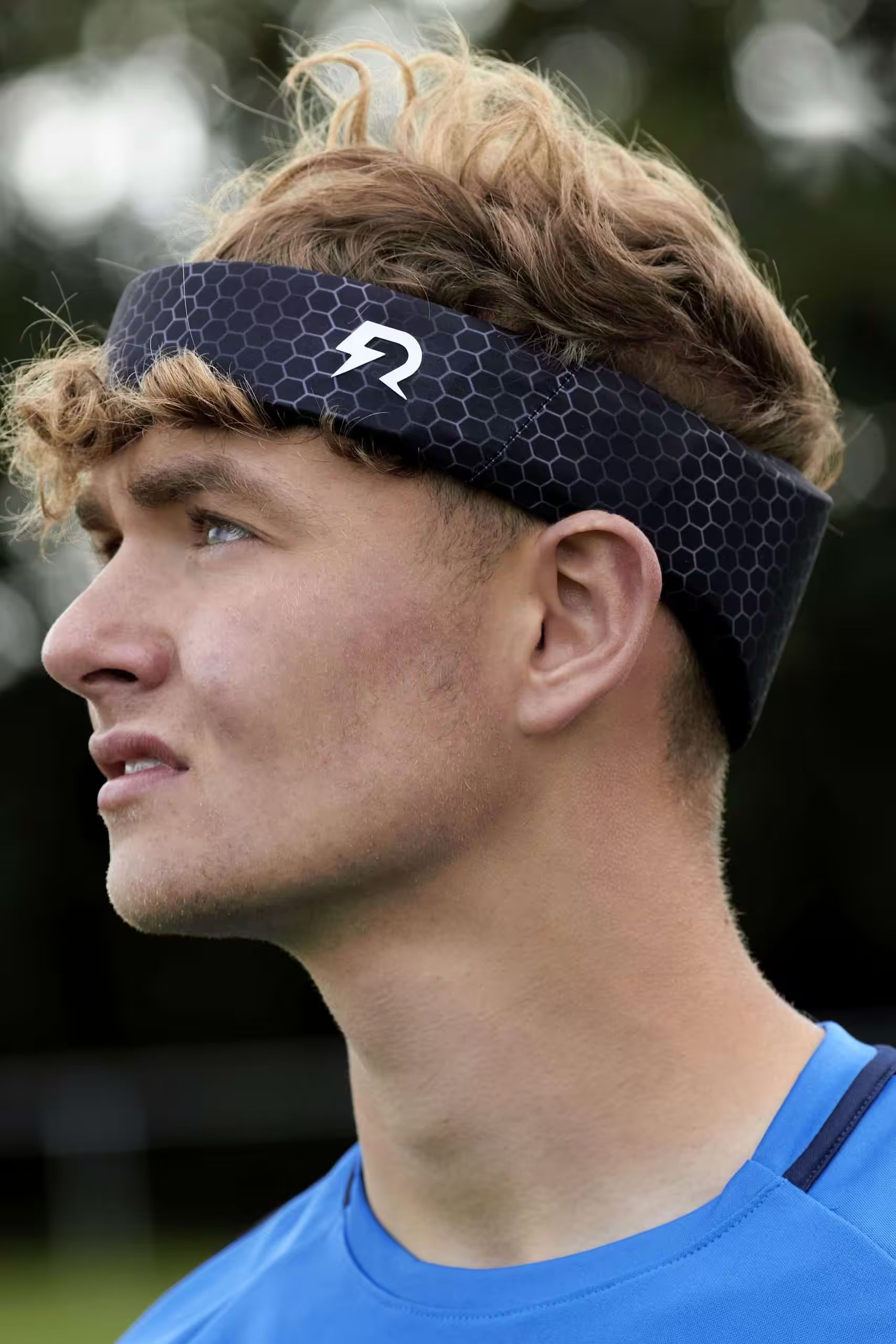
The best head protection for sport in 2026 is designed to reduce the forces most associated with brain injury, not only cuts, abrasions or surface impacts. In contact, collision and high-fall-risk sports, this means looking for equipment tested to reduce rotational force transmission to the brain. Rezon Halos® is a concussion headband designed around this brain-protection approach, using patented Rotection® technology to reduce force transmission during concussive and sub-concussive impacts.
Why Brain Protection Has Changed the Headgear Debate
Choosing the best head protection for sport has changed in recent years.
For many years, sports headgear was judged mainly by how padded it felt, how much of the skull it covered, or whether it reduced cuts and abrasions. But brain protection is different.
Rotational head impacts (where the brain is rotated inside the skull from a received impact) are damaging to the long-term health of sports players, and they occur frequently in training and play.
These injuries also cause inflammation and brain cells to shear. After repeated rotational impacts, tau protein builds up in the brain and can lead to neurodegenerative diseases like CTE, a form of early-onset dementia.
Research into brain injury biomechanics has repeatedly and increasingly identified rotational acceleration as an important factor in brain tissue strain and brain injury risk in sport [1].
That is why the head protection debate now needs to look beyond padding and linear force reduction claims, at the more important rotational force reduction offered by protective headguards.
In the US, many athletes and parents describe this type of lightweight sports protection as a concussion headband. The phrase is useful because it reflects what people are searching for: practical, head-worn protection that may help reduce concussion risk. The science, however, is more precise. The brain injury risk in sport extends beyond concussion, which is the visible event, to the repeated sub-concussions, which occur far more frequently and do not cause symptoms or stop play. No head protection can prevent concussion, but the best products should be judged by whether they are designed and tested to reduce the rotational forces associated with brain injury.
Head Protection vs Brain Protection
Traditional sports headgear and brain protection are not the same thing.
| Head Protection | Brain Protection |
|---|---|
| Designed to reduce cuts, abrasions and surface injuries | Designed to reduce brain injury risk |
| Typically focuses on reducing linear impact forces | Reduces linear forces and, more importantly, rotational forces, the primary driver of brain injury |
| Typically uses foam padding | Uses advanced protective technology engineered for brain safety |
| Protects the surface of the head | Designed specifically to protect the brain |
| Traditional all-head coverage sports headgear | Modern brain protection technology |
This distinction is especially important in non-helmeted sports such as rugby union, football, field hockey, netball, basketball, curling, combat sports, gymnastics, Gaelic football, AFL and rugby league.
In rugby, for example, World Rugby’s headgear specification states that compliant headgear is intended to protect against cuts and abrasions only [2]. Padded rugby headguards and scrum caps were not designed to protect the brain and have very limited ability, if any, to reduce the transmission of rotational forces in head impacts [3].
Rezon’s position is different: Brain protection in sport means reducing the transmission of forces associated with brain injury, especially rotational forces created during angled head impacts, falls and collisions.
Why Rotational Force Matters
Rotational acceleration is particularly important because it can produce shear strain within the brain. This type of internal biomechanical strain is widely recognised as a key mechanism in concussion and traumatic brain injury [1].
Virginia Tech’s helmet rating methodology also reflects this principle. Its STAR system is based on sport-specific impact testing, and it states that helmets which lower linear and rotational head acceleration reduce injury risk [4].
This is why the best head protection for sport in 2026 should not be judged only by how thick, soft or familiar it feels. It should be judged by whether it has been tested to reduce the transmission of rotational forces. Look for quantified, publicly available, rotational force reduction results to find the best head protection for concussion and sub-concussive injury risk reduction.
Can Head Protection Prevent Concussion?
No head protection can prevent concussion.
Concussion is complex. Risk depends on the impact, the athlete, the direction and speed of movement, previous injury history, and many other biological and situational factors. In sport, concussion is a statistical reality, but that does not prevent players from protecting their brain.
The right protective system can reduce the rotational forces transmitted to the brain during repeated head impacts. Reducing the cumulative burden of rotational forces in repeated head impacts can reduce the risk of neuro-inflammation and the triggering of long-term brain injury, including CTE.
That is why the most important question is: “Can this head protection reduce the rotational force transmission associated with concussion and sub-concussion risk?”
Rezon Halos® has been independently tested using Virginia Tech Helmet Lab methodology. Halos® achieved the highest possible 5-Star safety rating and was demonstrated to reduce concussion risk by 74%, reduce rotational force transmission by up to 61%, and reduce linear force transmission by up to 64% [5].

What to Look for in Sports Head Protection or a Concussion Headband
When comparing sports head protection in 2026, players, parents, coaches and clubs should look for four things.
1. Rotational force reduction
The most important question is whether the product is designed and tested to reduce rotational force transmission.
Thick padding may reduce the risk of cuts and scrapes, but that is not the same as protecting the brain. That is why rotational force reduction should be central to any modern concussion headband.
2. Independent testing
Look for evidence beyond marketing language.
Independent testing matters because it gives players, parents and clubs a clearer way to compare protective performance. Virginia Tech’s STAR system is one of the most widely recognised independent testing frameworks in sports head protection. It uses impact testing and risk modelling to assess how helmets perform in sport-specific scenarios [4]. The most important element to consider is the published rotational force reduction that a product offers.
3. Relevant certification
Where protective equipment is placed on the market, CE/UKCA Category II PPE certification matters. In the United Kingdom and Europe, CE and UKCA-certified protective equipment is legally recognised under Personal Protective Equipment (PPE) law.
Rezon Halos® holds CE and UKCA Category II PPE certification and is the only non-helmeted head-worn protection to combine CE/UKCA Category II PPE certification with a Virginia Tech 5-Star safety rating [5].
4. Sport suitability
The best protection must work in the real sport environment.
It should be lightweight, secure, breathable, comfortable and practical enough to be worn consistently in training and competition. This is why concussion headbands are becoming increasingly popular across contact, collision and high-fall-risk sports.
Why Rezon Halos® Is Different
Rezon Halos® is brain protection for sport.
Its purpose is to reduce the transmission of forces associated with the biomechanics of brain injury in concussive and sub-concussive head impacts.
Rezon Halos® uses patented Rotection® technology and has been independently tested using Virginia Tech methodology.
Why Choose Halos®:
- reduces rotational force transmission by up to 61%;
- reduces linear force transmission by up to 64%;
- reduces concussion risk by 74%;
- achieved a Virginia Tech 5-Star safety rating;
- holds CE and UKCA Category II PPE certification;
- is the only non-helmeted head-worn protection to combine CE/UKCA Category II PPE certification with a Virginia Tech 5-Star safety rating [5].
This combination matters because the future of sports head protection is not only about padding the outside of the head. It is about reducing the forces transmitted to the brain.
Frequently Asked Questions About the Best Head Protection for Sport in 2026
- The mechanics of traumatic brain injury: A review of what we know and what we need to know for reducing its societal burden. Meaney, D. F., Morrison, B., & Dale Bass, C. Journal of Biomechanical Engineering. 2014.
- Headgear Specification: World Rugby Regulation 12. World Rugby.
- Why Governing Body Approval Should Not Be Mistaken for Brain Protection. Further Reading. Rezon.
- Virginia Tech Helmet Lab Methodology.
- Rezon Halos® Brain Protection. Further Reading. Rezon.
- HEADS UP: Returning to Sports and Activities. Centers for Disease Control and Prevention.
- A review of head injury biomechanics in combat sports. Fife, G. P., & Harter, R. A. Sports Medicine and Health Science.
Author: Alex Reily