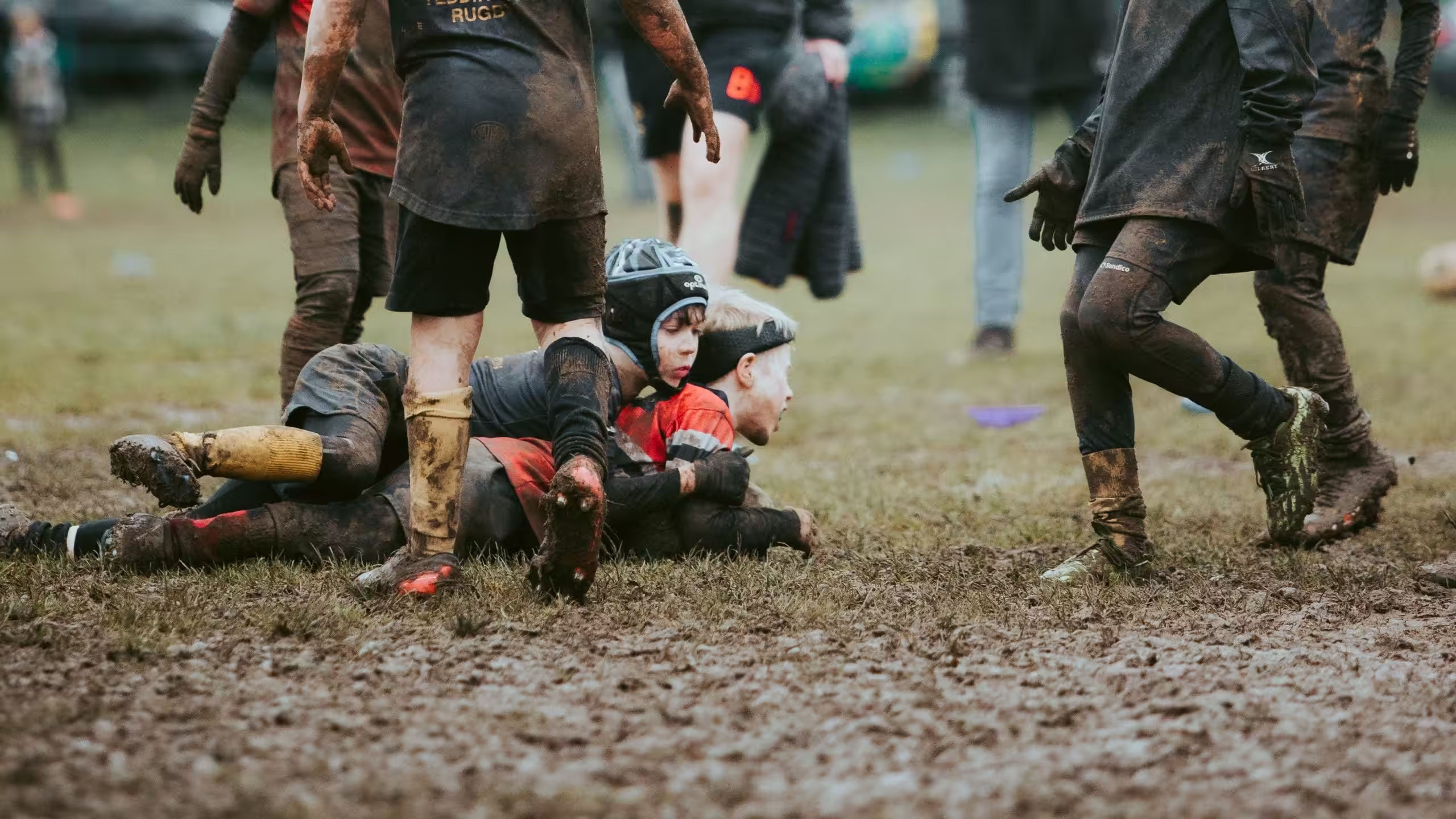
Research shows back-of-head impacts can produce high rotational acceleration and brain strain. Explore occipital protection, scrum caps and brain protection in sport.
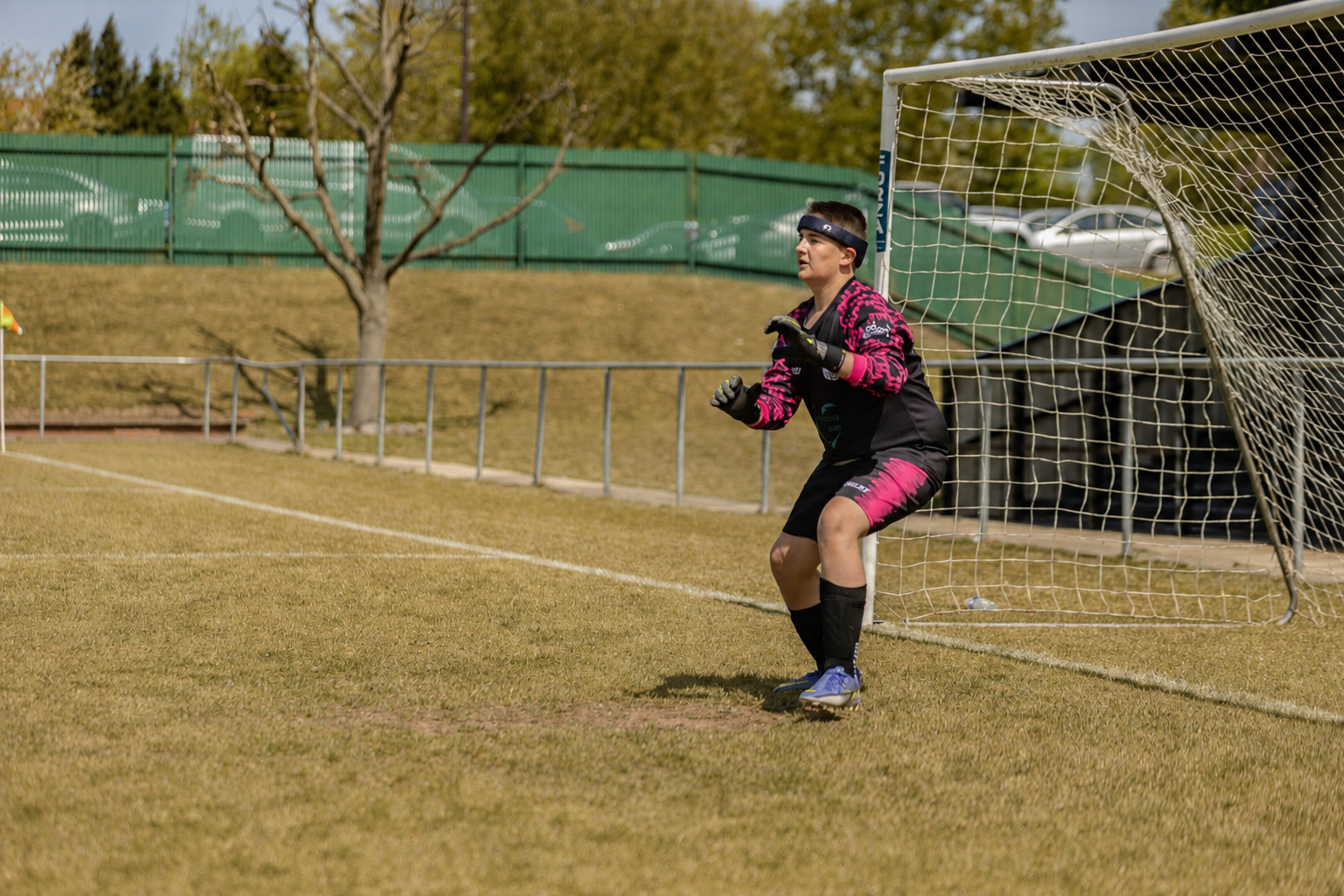
Hard ground can make a head-to-ground impact more severe because the surface has less capacity to absorb the impact. From drought-hardened pitches and frozen grass to hardwood courts and ice, understanding surface hardness means understanding what happens to the brain when a player falls; and how head-worn brain protection can reduce the forces transmitted during impact.

Is flag football safe? Research shows far fewer head impacts than tackle football, but concussion and sub-concussive impacts can still occur. Understand the science and how brain protection can help.

Repeated head impacts in sport damage the blood–brain barrier, trigger neuro-inflammation and contribute to long-term brain injury risk. Dr Emer MacSweeney's recent TED Talk explains why.
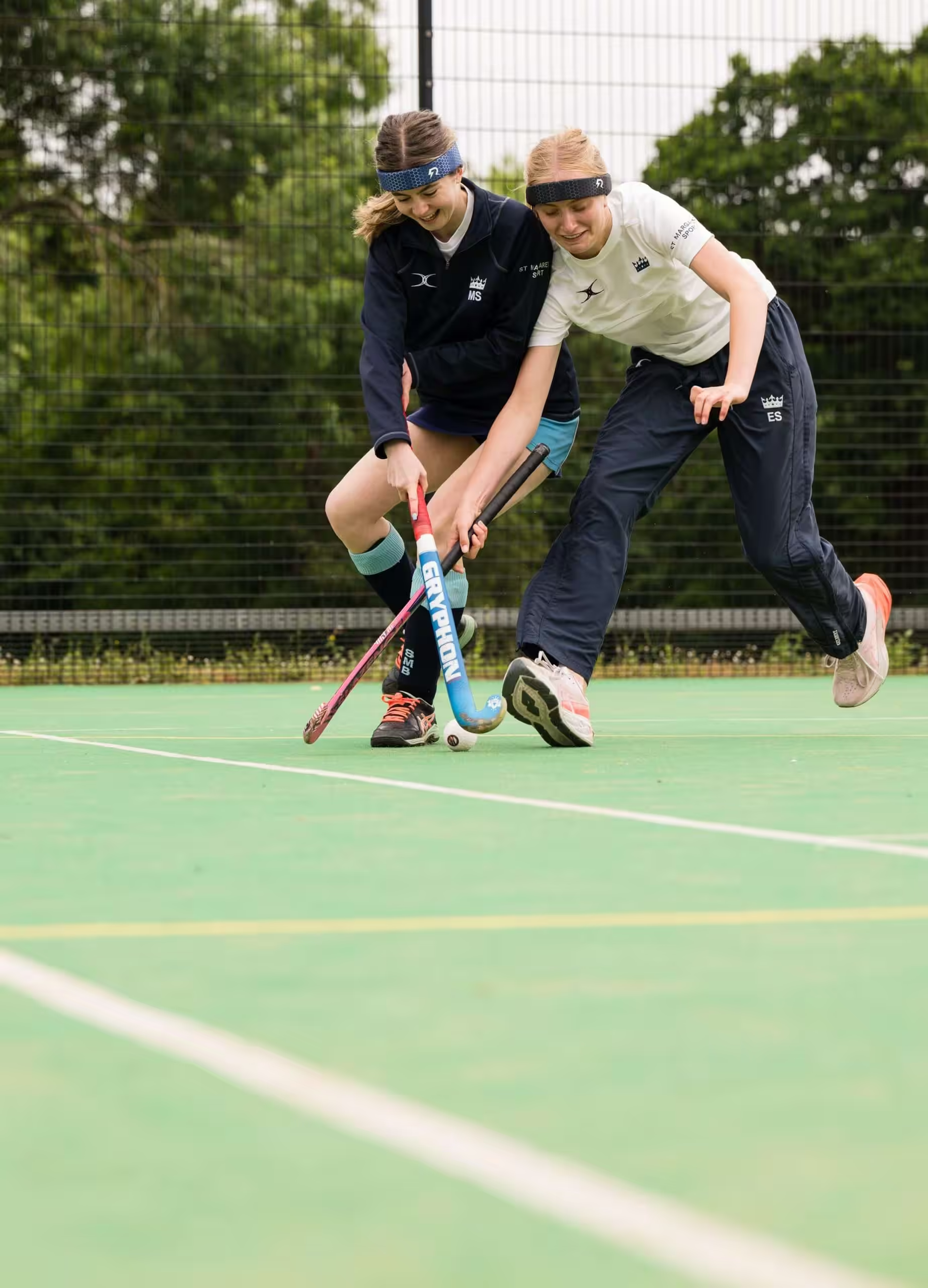
CTE risk in sport is not only about diagnosed concussion. Learn how repeated sub-concussions and rotational forces affect the brain, why youth exposure matters, and how Rezon Halos® reduces risk of CTE.
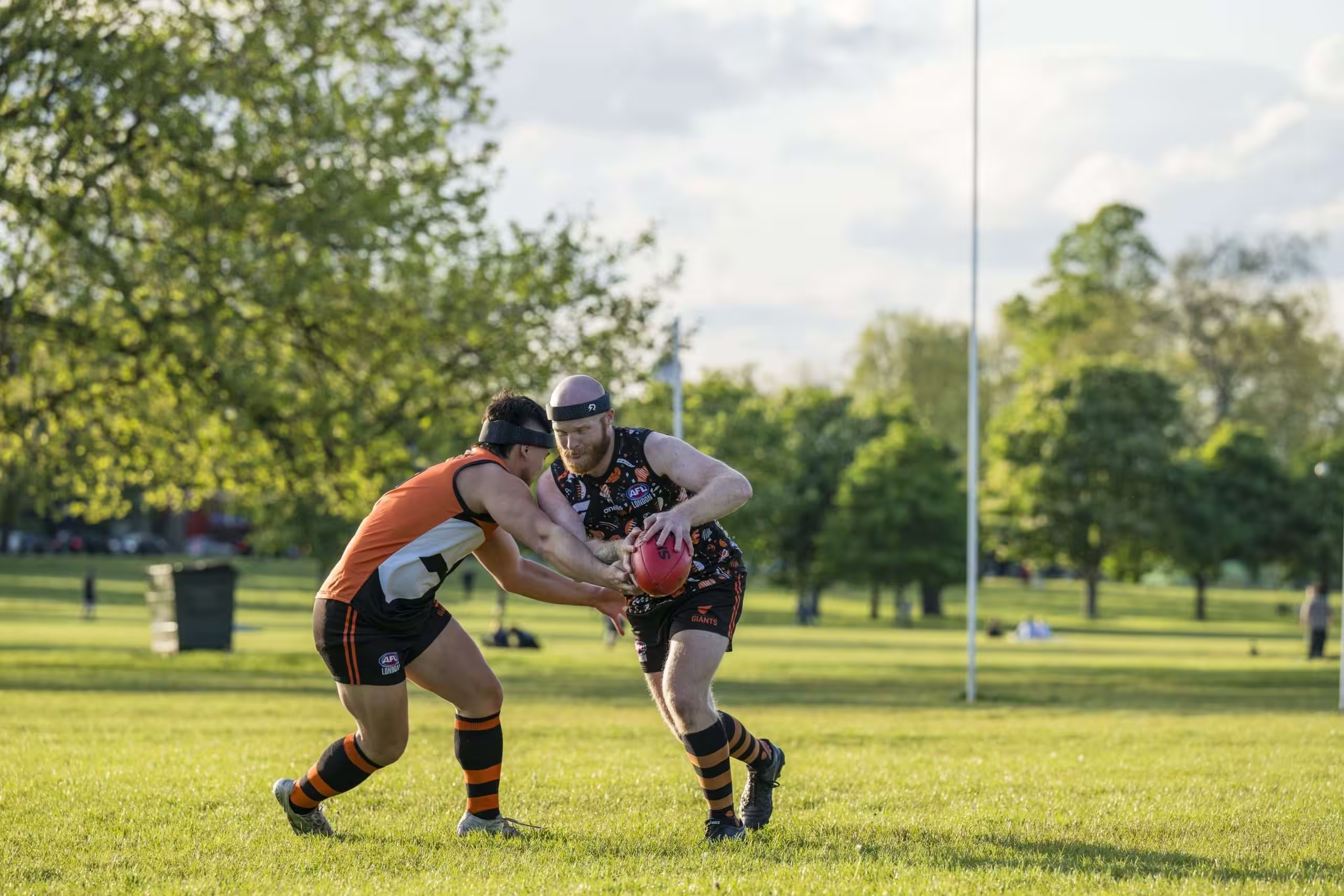
AFL’s CTE crisis shows why sport must move beyond concussion symptoms and protocols. The real issue is repeated rotational forces, sub-concussions and youth exposure.
Pound sterling (£) - GBP

Rezon
Help & Information
Shop
Shop
Be the first to know
Sign up for insights, news, new arrivals and exclusive offers to your inbox.









© 2026 Rezon Ltd - The Greenhouse Business Centre, Greencroft Industrial Park, Stanley, County Durham, DH9 7XN, United Kingdom - Company No: 13433459 - VAT No: 387590249 - ICO No: 00018248433 - Privacy Policy - Sitemap - Built by HAVY