School sport benefits physical, social and emotional health. It provides a sense of belonging, identity and self-esteem; developing skills, connections and commitment, and reinforcing good values and disciplines. But with the increasing concern around concussion in sport, what does this mean for school sports?
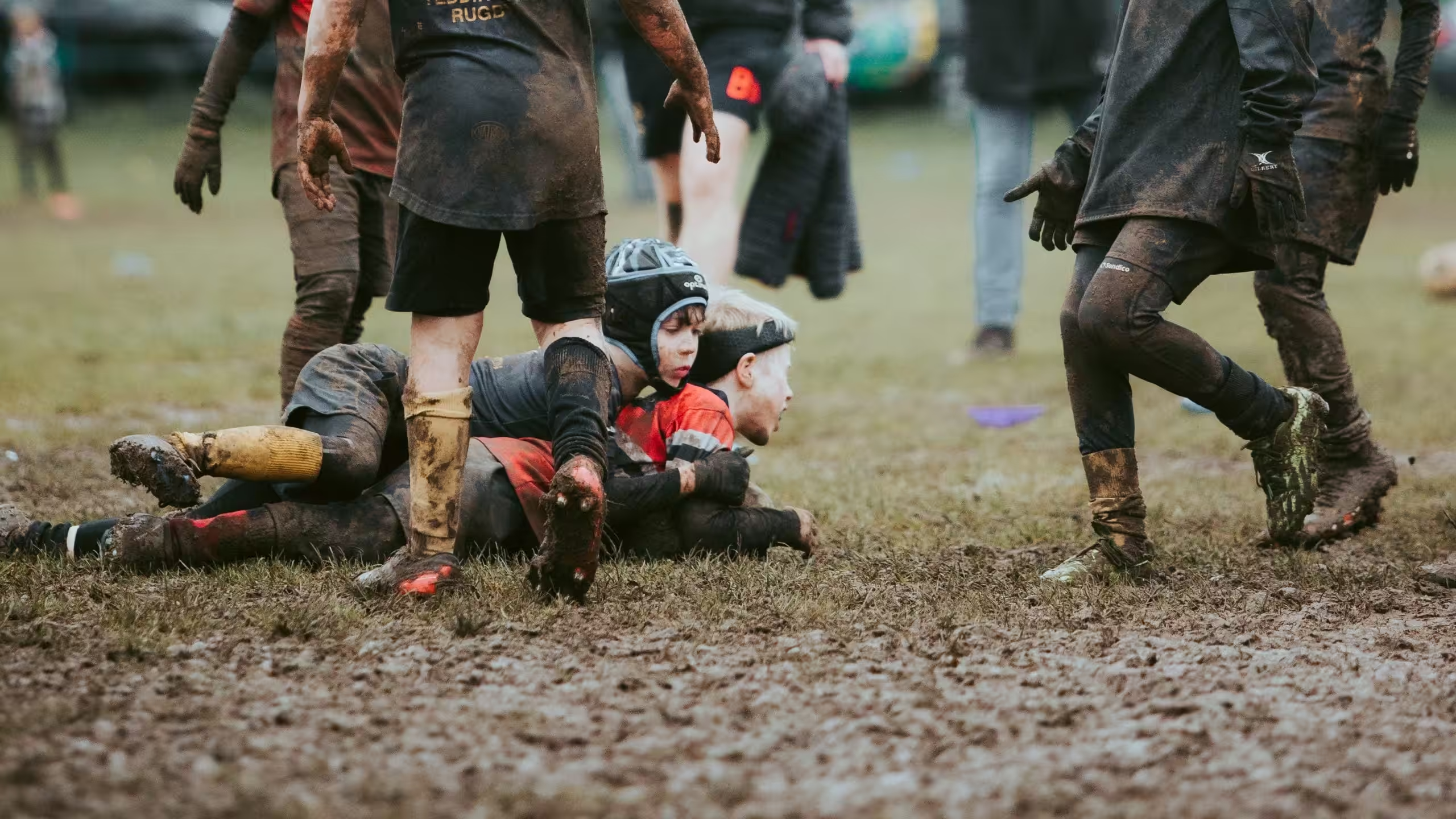
No one is arguing sport is bad for health or should be stopped, but there is now a better understanding of the short-and long-term risks of brain injury in children from school sports, (and not just rugby, which had borne the brunt of the focus on concussion).
Between ages 8-12 is when peak development of the brain occurs, but the brain is still developing through the refinement and rearrangement of brain pathways and connections until early 20s. Within the brain, axons are the tail-like structures that connect neurons and the neurons to other cell types. Axons are coated in myelin, and this improves how the electrical discharges transfer information along the axon – it is crucial to healthy brain function. Myelin is formed as the brain develops mainly between the second trimester of gestation and the early years of postnatal life, and continues until the mid-20s.
Children and youths have less myelin than adults, and this is problematic because myelin protects the axon. Axons with little myelin are more exposed and prone to damage from concussion and sub-concussions. Less myelinated axons also don’t recover as well from injury as highly myelinated axons. This means a school sports player is more vulnerable to brain injury, and their brains undergo noticeable changes after just one season of head impacts, even if they were never diagnosed with a concussion.
The long-term consequences of head impacts.
The threshold for damage to the brain is low.
A concussion can cause both short-or long-term physical, cognitive, social, and emotional symptoms. These changes may lead to problems with memory, communication, personality changes, and sleep disruption, as well as depression.
Concussion symptoms may settle after a short time, but may persist over two to four weeks on a gradually-diminishing basis. Yet changes in white matter, brain connections and blood flow can persist a year or more after a concussion.
The largest longitudinal study has found those experiencing three or more concussions have worse brain function in later life, with attention and completion of complex tasks particularly affected. Even just one concussion can have a long-term impact on brain function, including memory [1].
“After a hockey ball impact caused a serious concussion, Aaron suffered symptoms for more than 12 months, missed his GCSE exams, and was apprehensive about returning to the sport he loves. Rezon Halos® helped make that return to hockey possible — and gave us reassurance as parents.”
— Andrew Brompton | Parent & Rezon Customer | ⭐⭐⭐⭐⭐
More than just concussion
Yet for the majority of school sports players, cumulative asymptotic sub-concussions are a greater concern than concussions.
While schools have greater awareness of concussion symptoms, better management procedures for recording concussion, and access to medical support services, there is a lack of awareness around the greatest threat to the brain in school sports: sub-concussions. The small-force impacts that are 500 times more frequent than a concussion, which damage the brain and are without any symptoms.
While not every school sports player will suffer a concussion, they will typically take hundreds, maybe thousands of sub-concussions every season across school sports, e.g. hockey, lacrosse, netball, football, and rugby. Sub-concussions impact memory and attention, they suppress brain function, and they increase the risk of pupils to underperform. Importantly, it is the accumulated damage of sub-concussions, and not concussions that contributes to later-life mood and behaviour problems, including Chronic Traumatic Encephalopathy (CTE). This is a progressive neurodegenerative disease that leads to early-onset dementia in an individual’s 20s,30s and 40s. Brain injury from the accumulated damage of sub-concussions starts in school sports!
Prevention vs protection
Concussion and sub-concussion prevention is not possible in sport, despite the proposed changes around playing technique (tackle height, limiting heading), rules, laws and technology.
Currently, school sport is focused on the protocols for after the event and management of concussion, rather than pro-active protection – and this needs to change. There needs to be more attention given to brain protection that enables sport, mitigates sub-concussion risk, and protects the players’ future brain health.
Introduction to Rezon Halos
Rezon Halos® is brain protection.
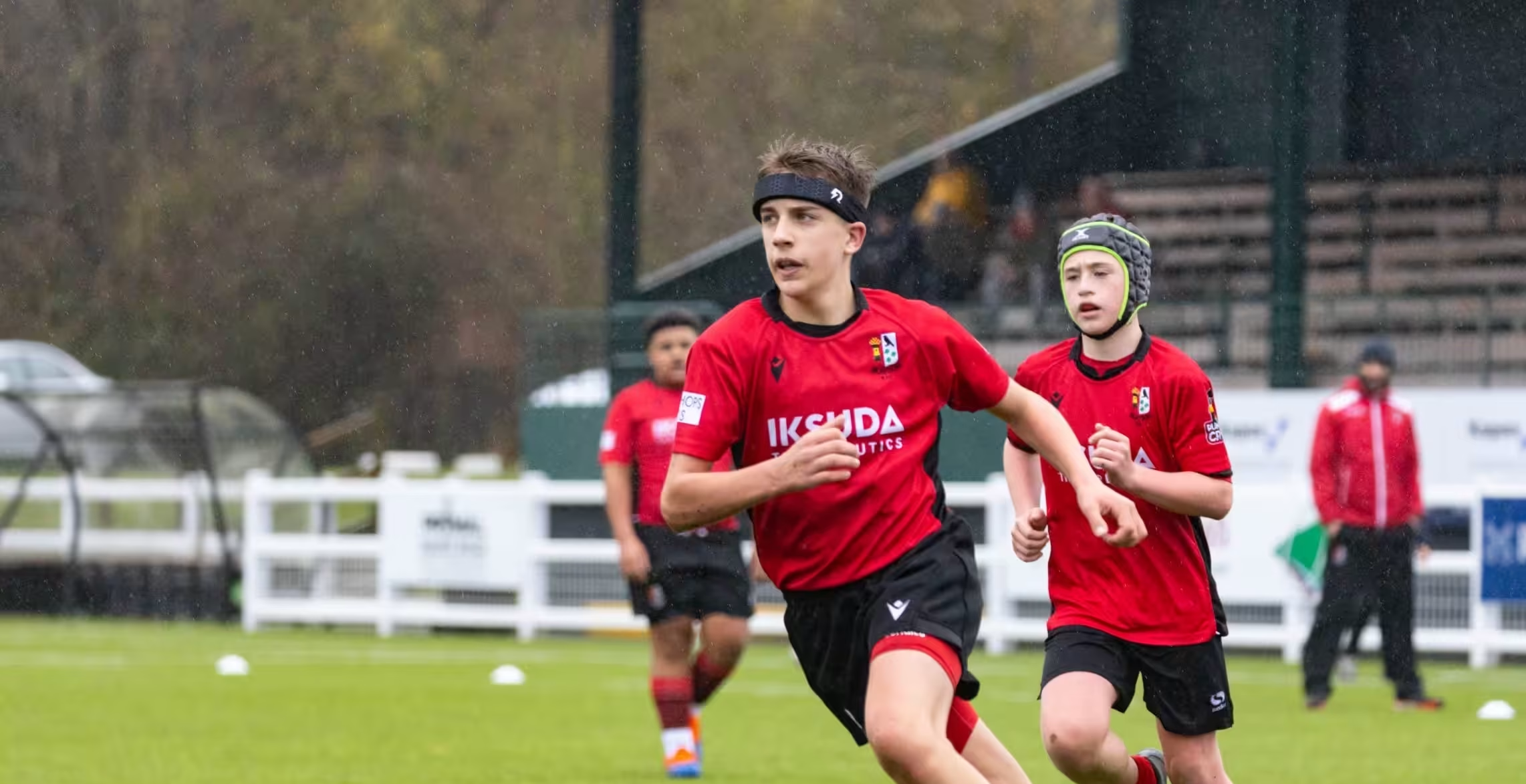
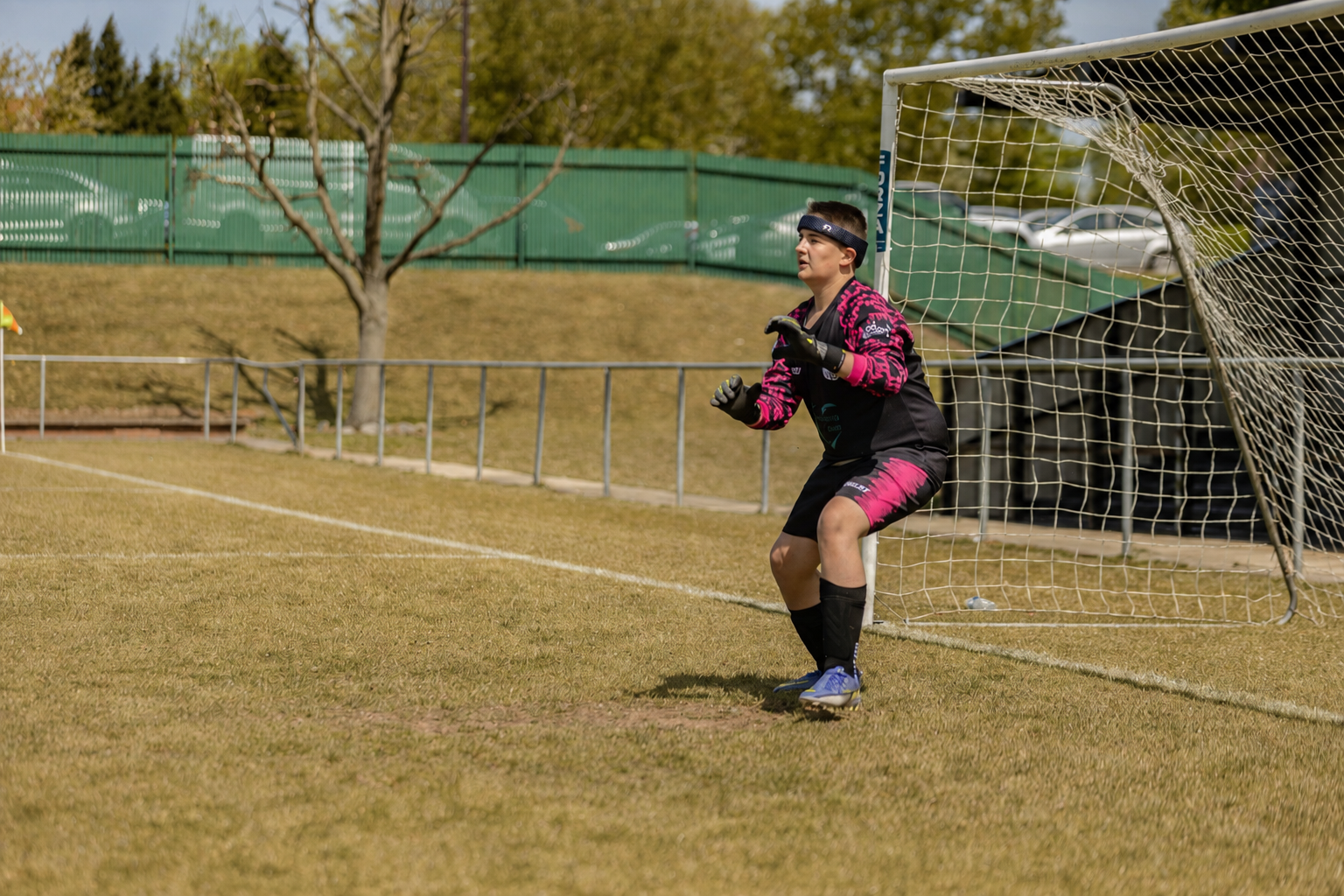
A protective headband for use across school sport, and focused on reducing brain injury. It is designed with an understanding of the mechanics of brain injury and the physicality of the brain.
In both concussion and more frequent sub-concussions, rotational forces are present. These forces rotate the brain inside the skull, shear brain cells, tear blood vessels and cause uncontrolled inflammation which damages the brain and increases the risk of longer-term neurodegenerative consequence. Halos® reduces rotational forces by up to 61% based on independent testing.
Halos® can reduce the risk of concussion by up to 74% based on independent testing, but by wearing Halos® consistently in school sports training and games to reduce sub-concussive brain injury, it can offer every school sport player the opportunity to protect their brain health and future.

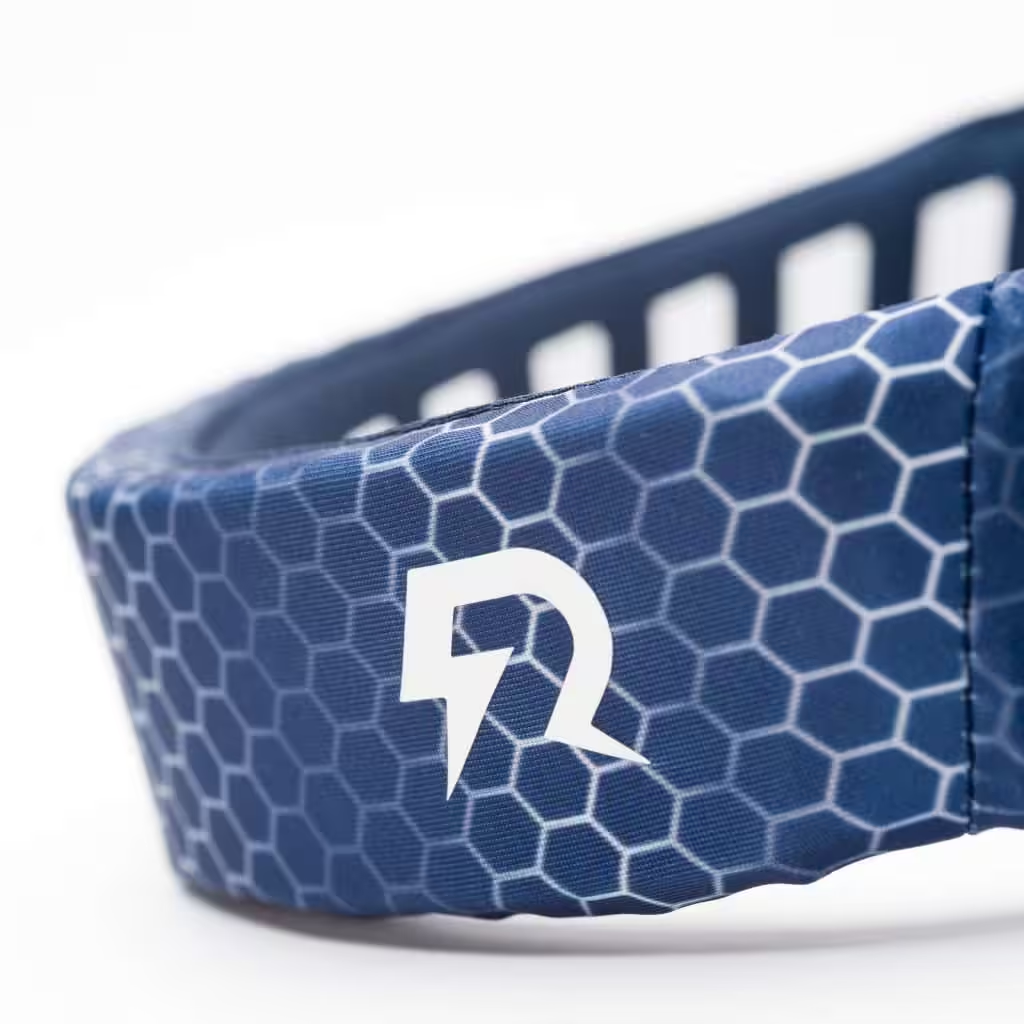
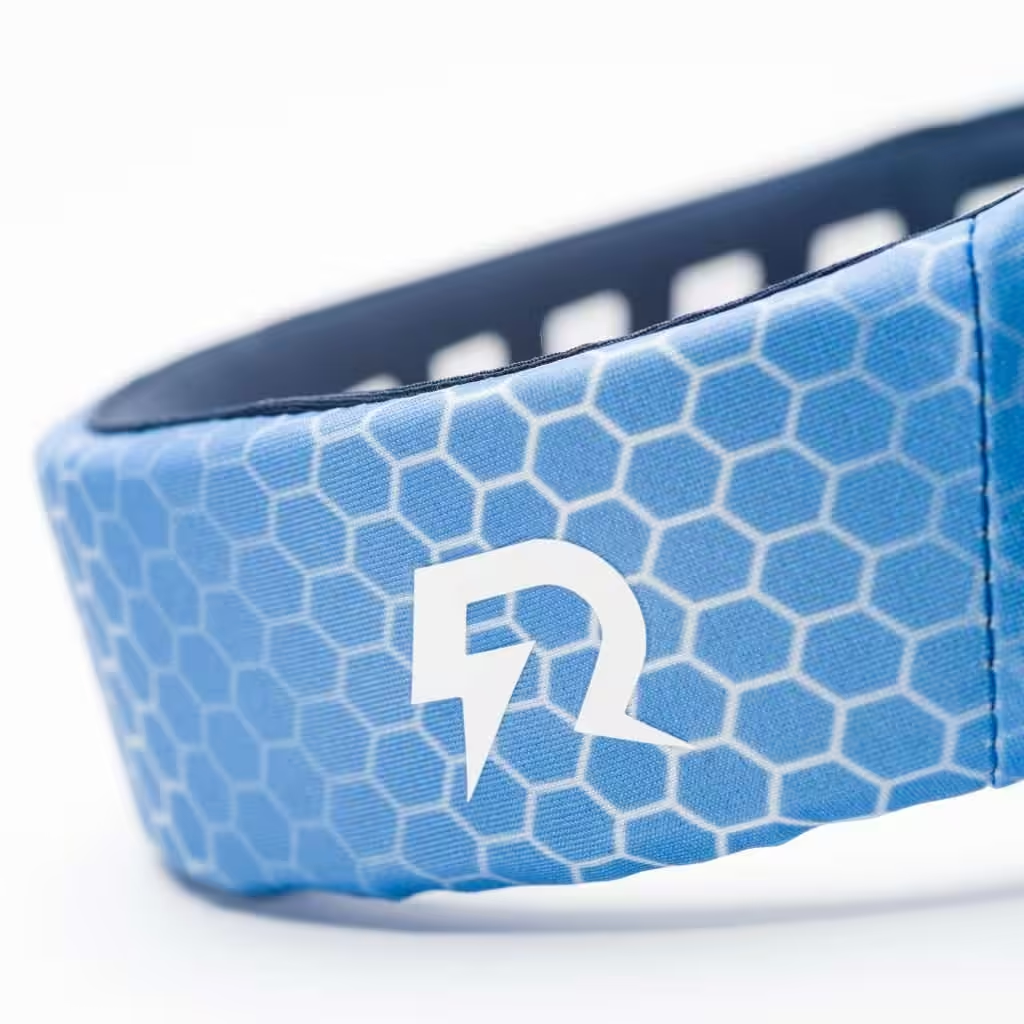
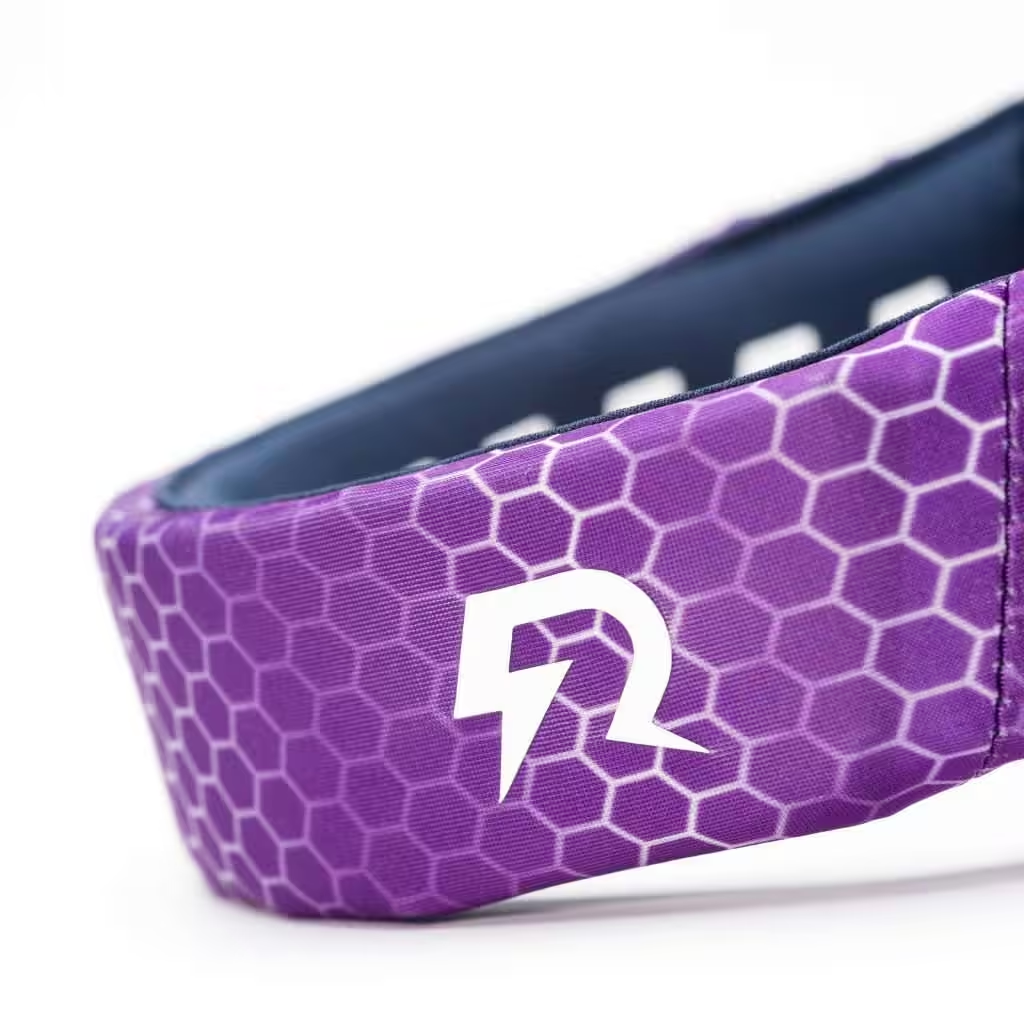
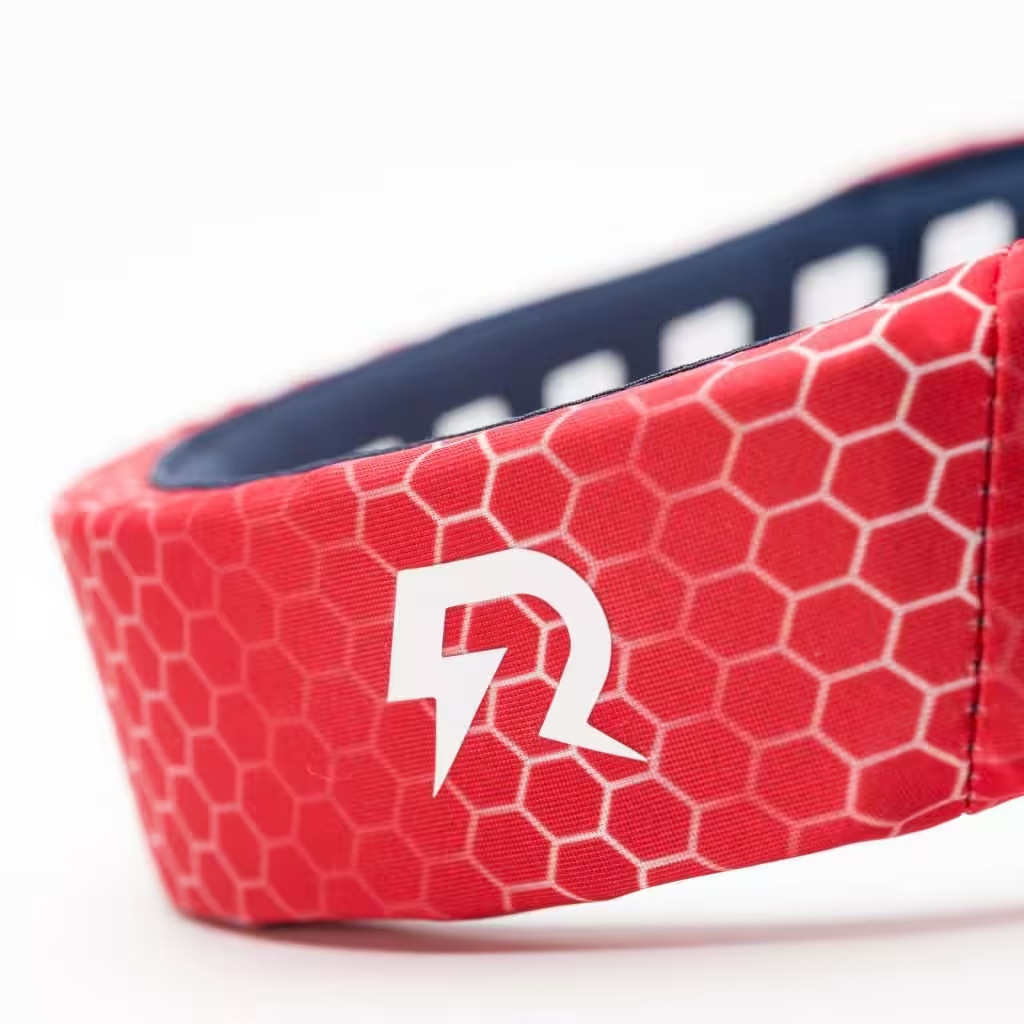
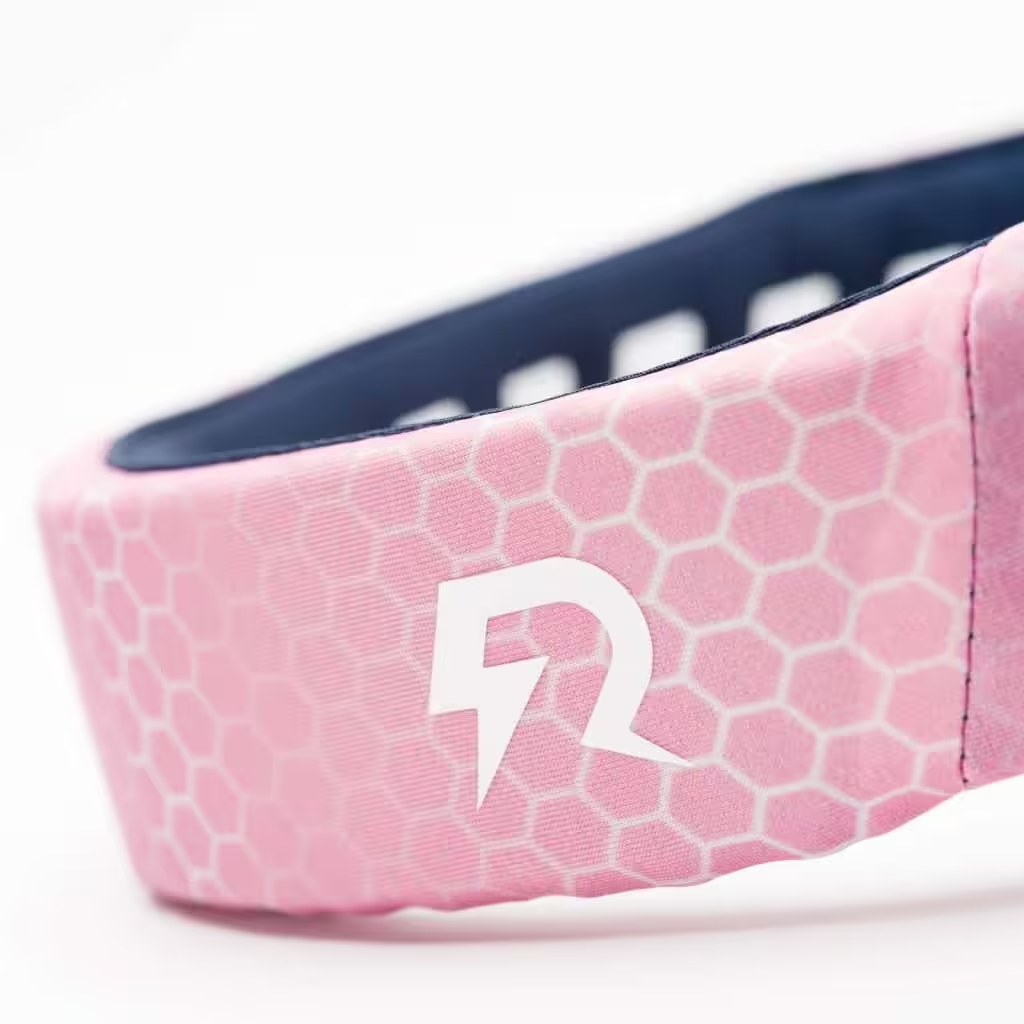
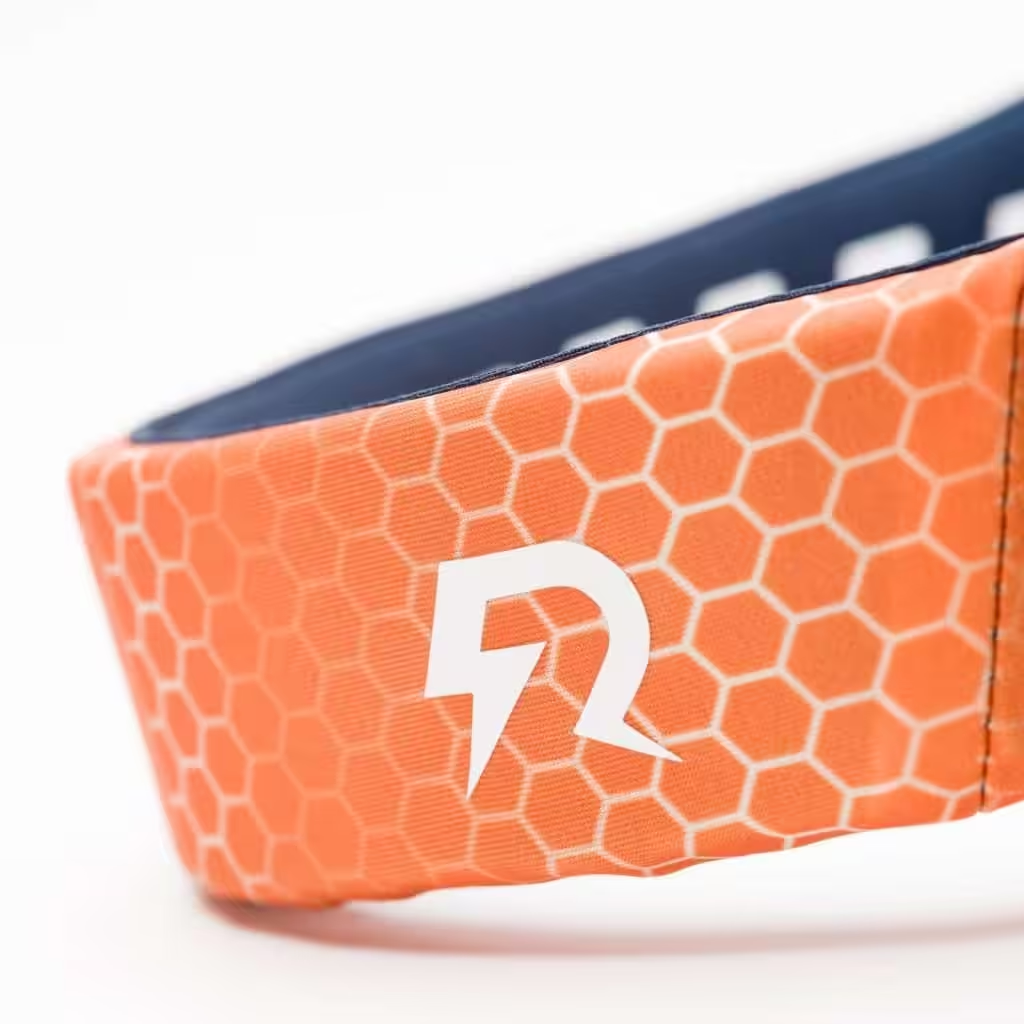
Rezon Halos®: Protecting Your Brain in Sport
Halos® is a groundbreaking sports headband that protects the brain. It’s the only headgear of its kind that is designed to reduce your risk of concussion and developing Chronic Traumatic Encephalopathy (CTE) from the accumulated damage of sub-concussions.
Why Halos®?
- Reduces concussion risk by 74%*
- Reduces rotational force to the brain by up to 61%, and linear force by up to 64%*
- Sleek, lightweight, flexible and hypoallergenic
- Water and tear-resistant
- Internationally recognised Virginia Tech 5 star safety rating
- The only CE/UKCA Category II PPE-certified protective headband – the UK and EU legal standard for protective headwear
*based on independent testing
As seen in





- Lifetime Traumatic Brain Injury and Cognitive Domain Deficits in Late Life: The PROTECT-TBI Cohort Study, Matthew J Lennon, Helen Brooker, Byron Creese, Tony Thayanandan, Grant Rigney, Dag Aarsland, Adam Hampshire, Clive Ballard, Anne Corbett, Vanessa Raymont. 2023.
Author: Judith McMinn