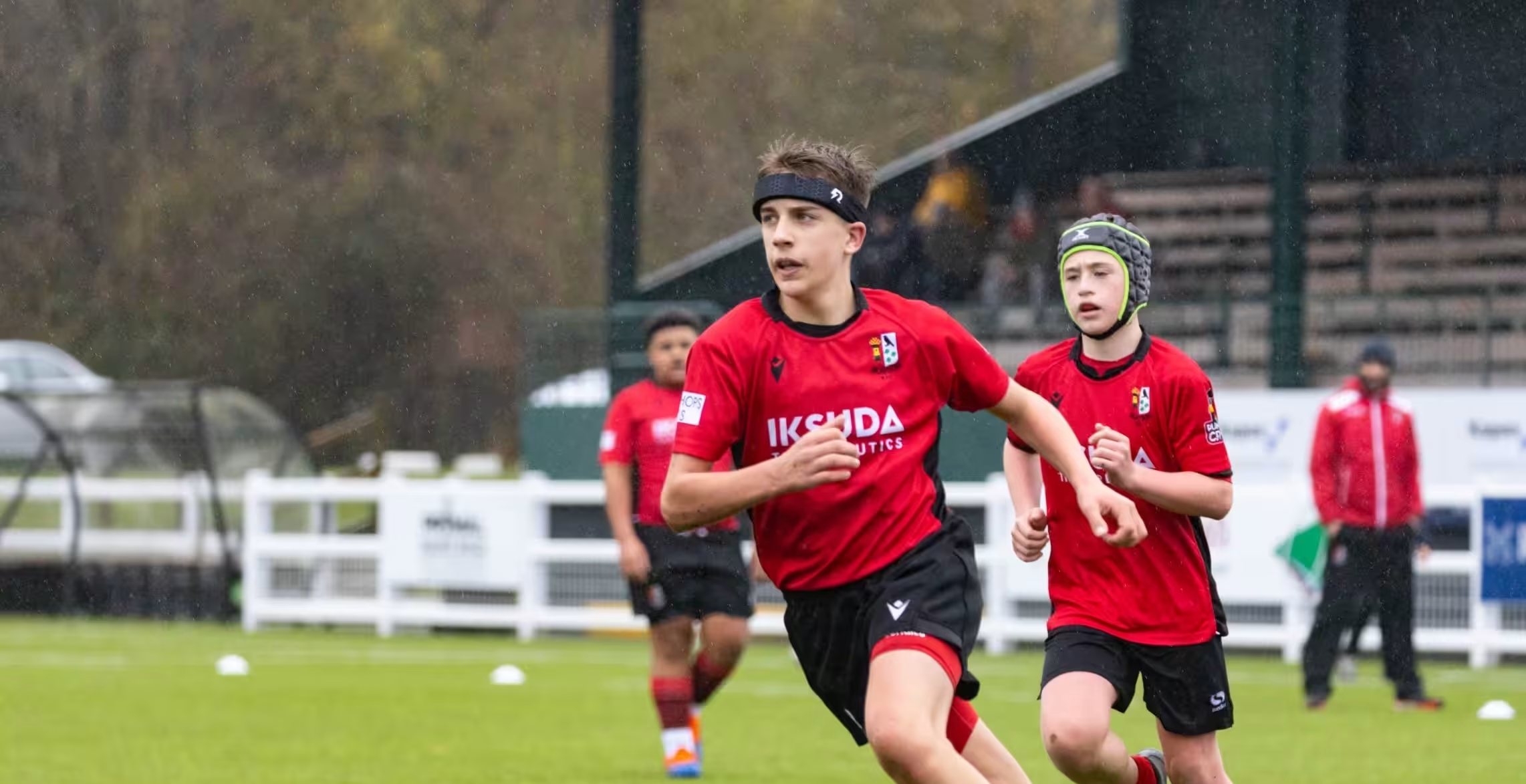
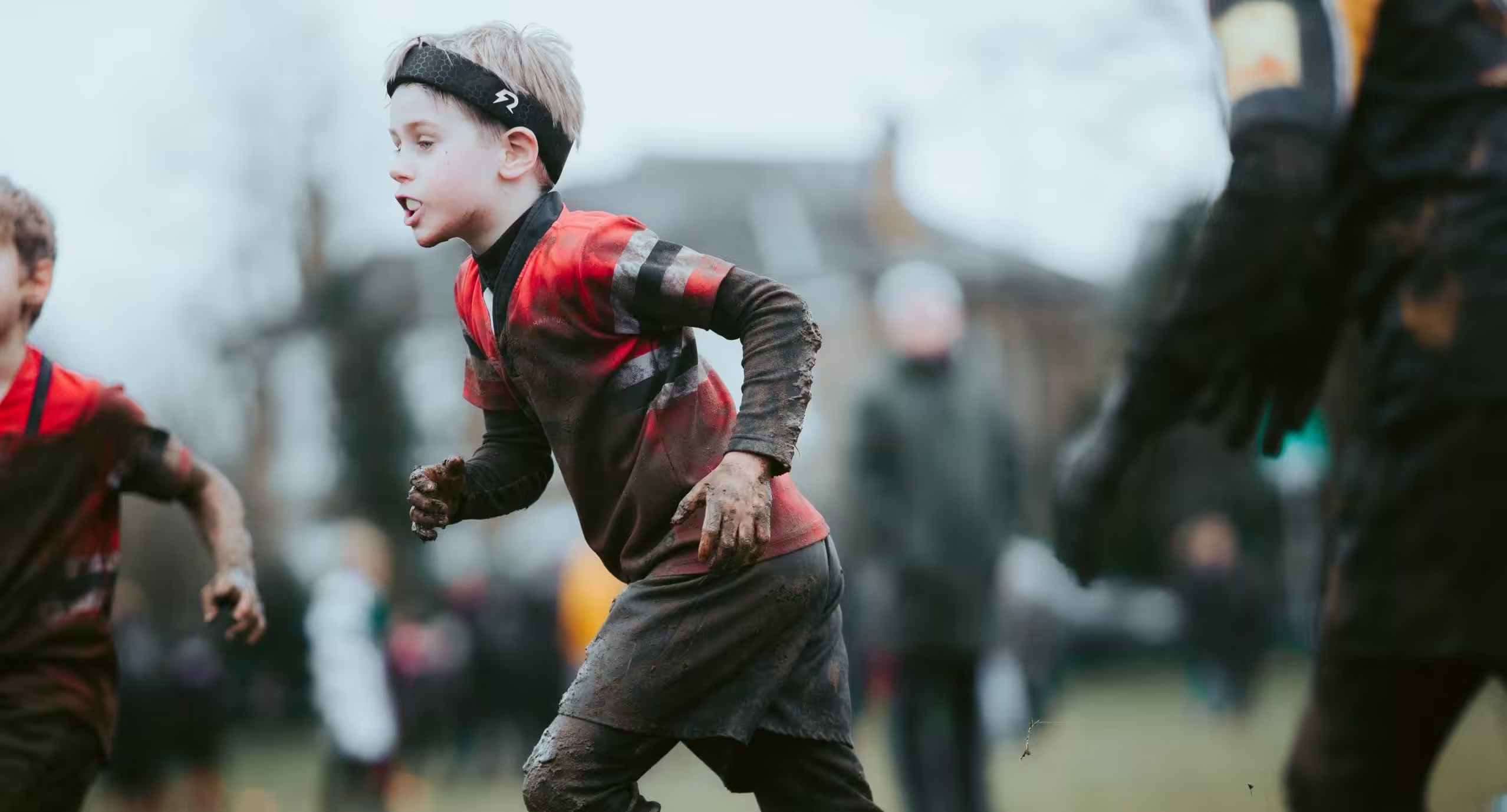
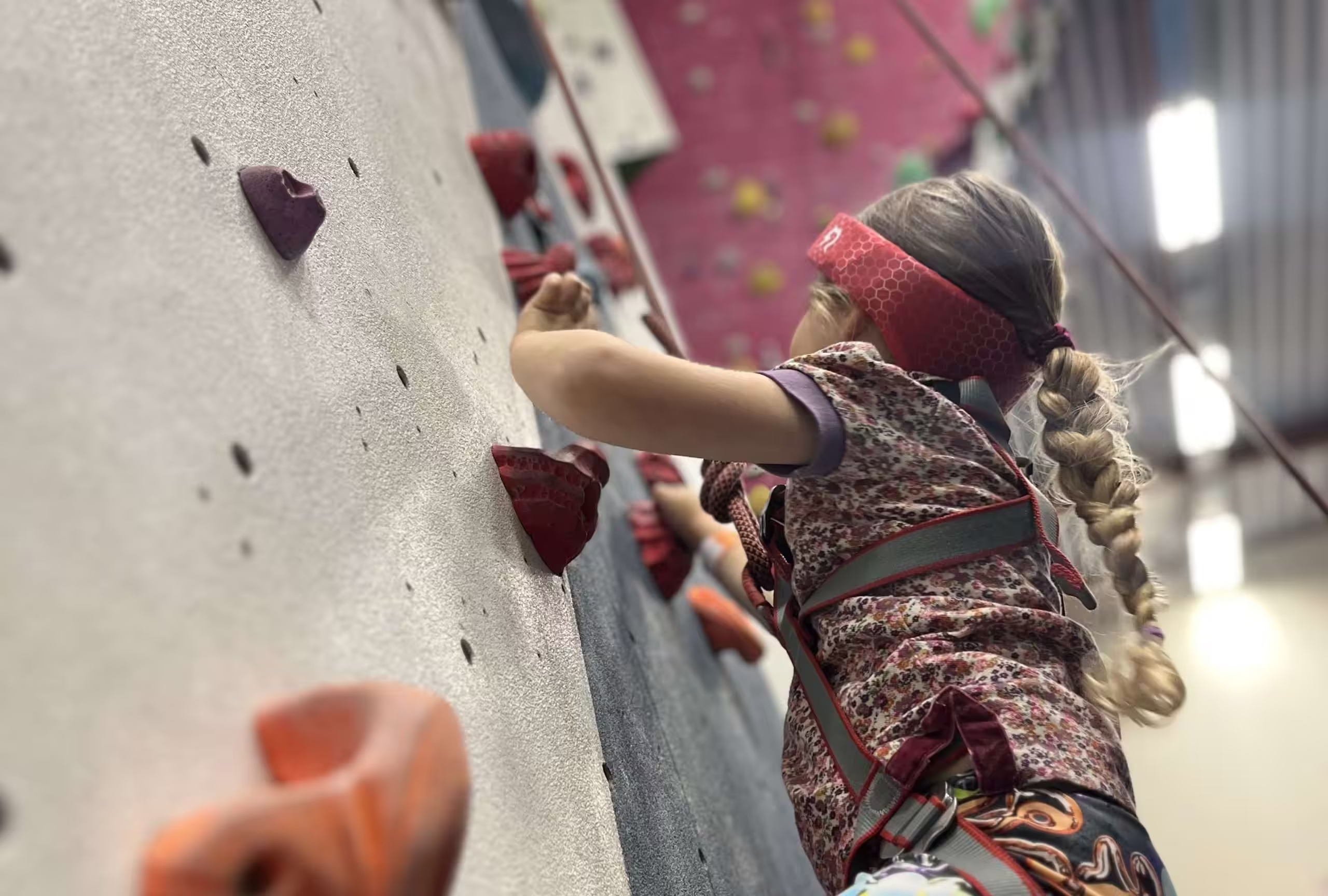
What Is the Best Head Protection for Gaelic football?
The best head protection for Gaelic football is low-profile protection designed to reduce rotational force transmission in head impacts.
Gaelic football exposes players to head-to-ground, head-to-head and head-to-shoulder impacts during tackles, aerial contests, falls and collisions. Rezon Halos® is designed to reduce the rotational forces transmitted to the brain during head impacts.
Why rotational force matters in Gaelic football
The best head protection for Gaelic football is Rezon Halos® because it is designed around the force most relevant to brain injury risk: rotational force.
The brain is vulnerable to rotational forces because it sits inside the skull surrounded by fluid. When the head rotates suddenly, the brain can move and deform within the skull. This can place strain on neural tissue, blood vessels and supporting structures.
Rotational acceleration is widely recognised as an important biomechanical contributor to traumatic brain injury. A review in Frontiers in Neurology describes rotational acceleration as a strong biomechanical predictor of traumatic brain injury [1]. Other biomechanical research has shown that combined linear and rotational acceleration is more informative for concussion risk than either measure alone [2].
Traditional padded head protection may help reduce some surface impact, but brain protection needs to address the rotational forces transmitted to the brain.
Why Gaelic football Players Need Protection from Head Impacts
Gaelic football is fast, physical and aerial. Direct head impacts can happen when a player:
- falls and hits the ground;
- collides with another player during a challenge;
- makes head-to-shoulder or head-to-head contact;
- lands awkwardly after contesting a high ball;
- receives an accidental elbow, knee or boot to the head.
The GAA’s concussion guidance makes clear that head impacts in Gaelic games must be treated seriously, with suspected concussion requiring immediate removal and medical assessment [3]. Irish research has also shown that concussion awareness, reporting and management remain important issues across Gaelic games [4].
For head protection, the key biomechanical issue is rotational acceleration. When the head is struck at an angle or turns rapidly on impact, rotational forces can be transmitted to the brain. Peer-reviewed research links rotational acceleration with brain tissue strain and traumatic brain injury risk [1].
Head protection vs brain protection in Gaelic football
When choosing a Gaelic football headguard, the key question is not only whether the head is padded. The more important question is whether the protection is designed to reduce the transmission of rotational forces to the brain.
| Head Protection | Brain Protection |
|---|---|
| Designed to reduce cuts, abrasions and surface injuries | Designed to reduce brain injury risk |
| Typically focuses on reducing linear impact forces | Reduces linear forces and, more importantly, rotational forces, the primary driver of brain injury |
| Typically uses foam padding | Uses advanced protective technology engineered for brain safety |
| Protects the surface of the head | Designed specifically to protect the brain |
| Traditional all-head coverage sports headgear | Modern brain protection technology |
This distinction matters because Gaelic football head impacts are rarely perfectly straight-line events. Falls, collisions and aerial challenges often involve angled contact, twisting or rapid head rotation.
That is why the best head protection for Gaelic football should not simply feel padded. It should be designed to reduce rotational force transmission.
Why Rezon Halos® is the best head protection for Gaelic football
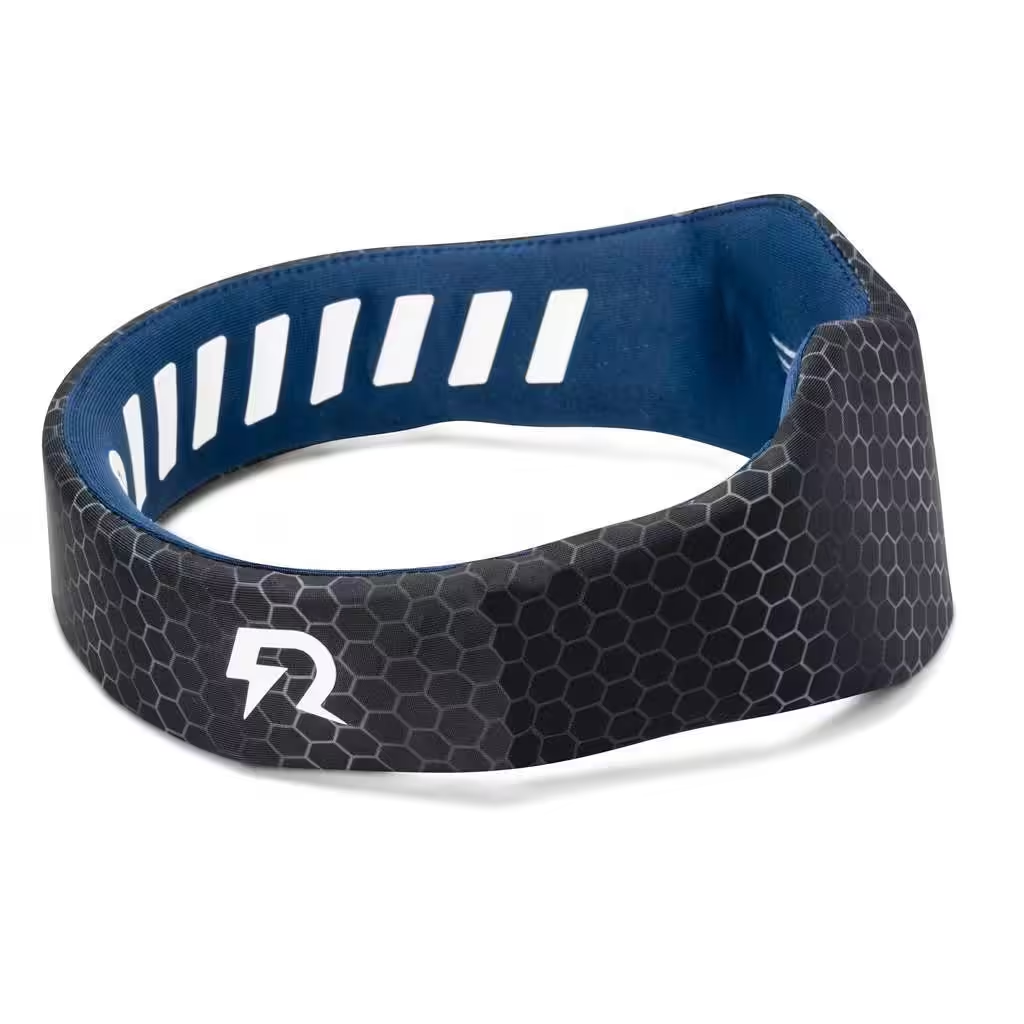
Rezon Halos® is not traditional padded headgear. It is a brain-focused protective system using patented Rotection® technology, designed to reduce rotational force transmission during direct head impacts.
Independent testing shows that Rezon Halos®:
- reduces rotational force transmission by up to 61%;
- reduces linear force transmission by up to 64%;
- achieved a Virginia Tech 5-Star safety rating;
- demonstrated a 74% reduction in concussion risk using Virginia Tech methodology;
- holds CE/UKCA Category II PPE certification [5].
That combination makes Halos® especially relevant for Gaelic football: a sport with frequent head impact risk, but where players still need lightweight, practical and low-profile protection.
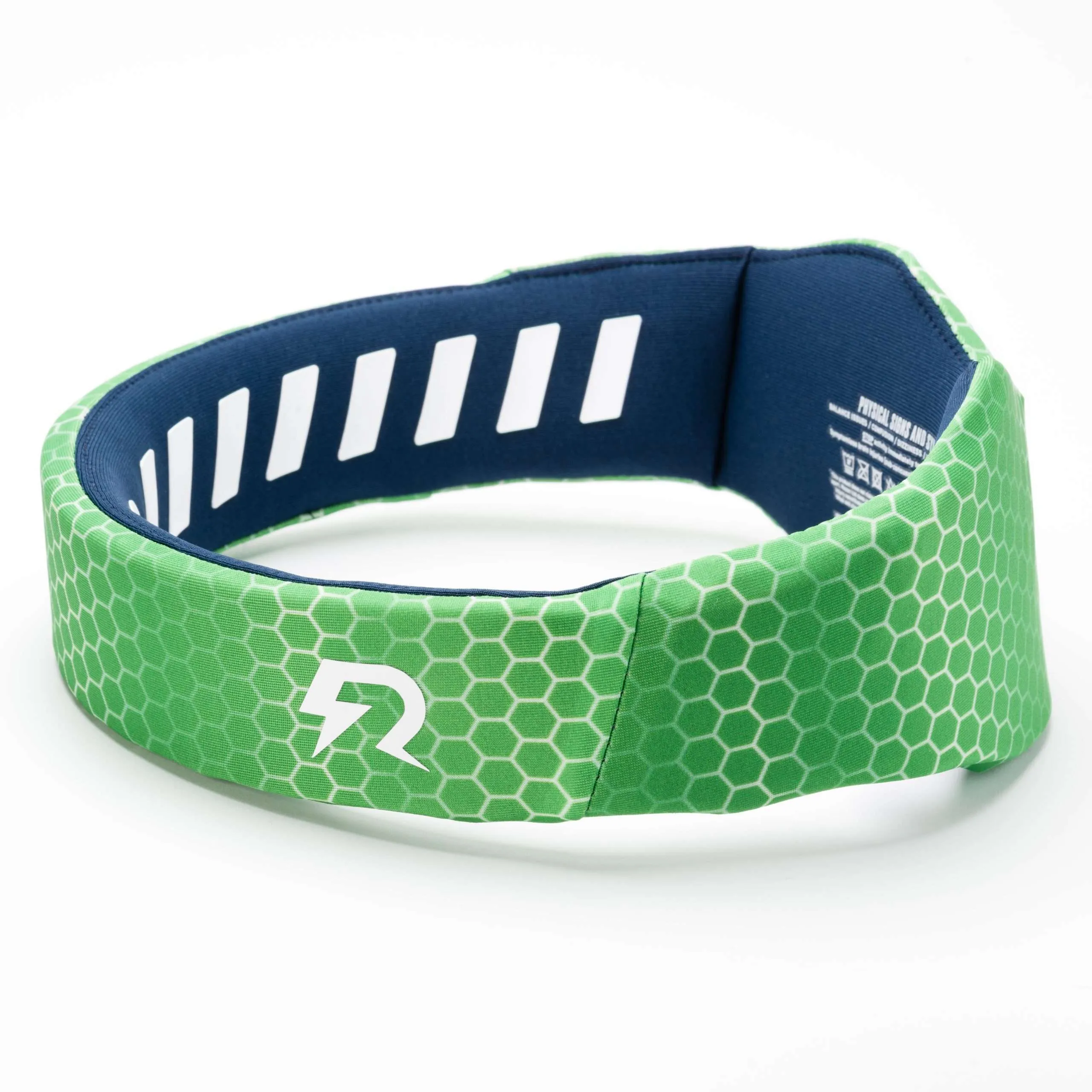
What Makes Rezon Halos® the Best Fit for Gaelic Football?
The best protection for Gaelic football must work with the sport, not against it.
It must be comfortable enough to wear throughout training and matches. It must stay secure during running, jumping and contact. It must not feel bulky during aerial challenges. Most importantly, it must address the forces associated with brain injury risk, not just surface contact.
Rezon Halos® fits that need because it focuses on rotational force reduction from direct head impacts.
It is most relevant where the concern is for more than facial injury, cuts or bruising, but the forces transmitted to the brain when the head hits the ground, another player or a hard surface during play.
Frequently Asked Questions About Head Protection for Gaelic Football
- Rotational Head Acceleration and Traumatic Brain Injury. Lota, K. S. et al. Frontiers in Neurology, 2022.
- Brain Injury Prediction: Assessing the Combined Probability of Concussion Using Linear and Rotational Head Acceleration. Rowson, S. et al. Annals of Biomedical Engineering, 2013.
- Concussion in Gaelic Games. GAA
- Concussion reporting, knowledge and attitudes in Irish adult Gaelic games players. Leahy et al.
- Rezon Halos® Brain Protection. Further Reading. Rezon.
Author: Alex Reily