What Is the Best Head Protection for Women’s and Mixed Lacrosse?
The best head protection for women’s and mixed lacrosse is brain protection designed to reduce rotational forces, the primary driver of brain injury in lacrosse. Head protection in lacrosse is optional, and players may also wear other protective equipment such as goggles, mouthguards, and role-specific kit. But protecting the eyes, teeth, face, or outside of the head is not the same as protecting the brain [1, 2, 3].
Women’s lacrosse is a major participation sport in the United States, with 101,204 high school players recorded in the 2023–24 NFHS participation survey. It also carries a meaningful concussion and brain injury burden. Girls’ lacrosse has been reported as ranking second among US high school girls’ sports for concussion prevalence, and USA Lacrosse states that 23–25% of high school lacrosse injuries are concussions [4, 5, 6, 7].
Head impacts in women’s and mixed lacrosse can happen through stick contact, ball contact, collisions, falls, and ground impact. These impacts can cause concussive and sub-concussive brain injury, including impacts that do not cause symptoms but still transmit harmful force to the brain. That is why the best head protection for women’s and mixed lacrosse should not be judged only by whether it cushions the outside of the head. It should be judged by whether it is designed to reduce the forces most associated with brain injury [2, 3, 8].
What protective equipment do women’s and mixed lacrosse players typically wear?
Women’s and mixed lacrosse players already wear important protective equipment. This can include mouthguards, protective eyewear, optional head protection, and other role-specific kit. Goalkeepers may wear additional protective equipment because their role involves different types of exposure and a different protection profile [5, 9].
These products all serve real safety purposes. Mouthguards help protect the teeth and mouth. Protective eyewear helps protect the eyes. Other equipment may help reduce visible injury in particular situations. But none of these products should be confused with brain protection. Protecting the face, teeth, or outside of the head is not the same as reducing the forces transmitted to the brain during head impacts [1, 2, 3].
Watch: Rotational forces are strongly associated with brain injury in sport.
Why protecting the head is not the same as protecting the brain
This distinction matters because brain injury is not simply a question of whether the head is struck. It is a question of rotational force transmission to the brain. In sport, the forces most associated with concussion and sub-concussive brain injury are rotational forces, which cause the brain to move and deform within the skull [1, 2, 3].
Conventional head protection is often designed to reduce cuts, abrasions or facial injury. Brain protection is concerned with reducing the force transmitted to the brain, especially rotational force. This is why head protection and brain protection are not interchangeable terms. A product may help protect the outside of the head without being designed specifically to reduce the forces most closely linked to brain injury [1, 2, 3].
How do head impacts happen in women’s and mixed lacrosse?
Head impacts in women’s and mixed lacrosse do not come from one single scenario. They can happen through stick-to-head contact, ball-to-head contact, player-to-player collisions, falls to the ground, and awkward or angled impacts during play. In women’s lacrosse, stick or ball contact to the head accounted for 72.7% of recorded concussions in one review of the literature, highlighting how often impacts come from objects and contact events rather than only obvious collisions [6].
This matters because not every meaningful head impact looks dramatic. A player may not lose consciousness or show concussion symptoms, but the brain can still be exposed to harmful force. In a fast-moving sport like lacrosse, contact is often sudden, angled, and unpredictable. That makes it important to think about brain protection throughout normal play and in training, not only in obviously dangerous moments [1, 3, 8].
Why sub-concussions matter in lacrosse
Not every meaningful brain impact causes a diagnosed concussion. In lacrosse, players can be exposed to repeated head impacts that do not produce symptoms, but still transmit force to the brain. These are sub-concussive impacts, and they are an important part of the long-term brain health conversation [1, 3].
This matters because concussion diagnosis captures only part of the brain-impact picture. Impact-speed testing has been carried out on lacrosse headgear, but focusing only on the biggest hits misses the broader brain-protection problem [1, 8]. In lacrosse, players are exposed to repeated head impacts that do not produce concussion symptoms, but still transmit force to the brain. in sport, these sub-concussive impacts are 500x more frequent than diagnosed concussions and may contribute to cumulative brain load over time. Brain protection should therefore not be judged only by how a product performs against a single high-speed impact, but by whether it is designed to reduce the repeated forces that matter across the full exposure profile of the sport.
This is especially relevant in a sport where players may experience repeated ball contact, stick contact, collisions, or falls over time. Even when those impacts are not diagnosed as concussion, they may still matter. That is why a serious conversation about protection in lacrosse should not focus only on concussion diagnosis. It should also account for repeated non-diagnosed impacts and the cumulative brain stress they may create [1, 3, 8].
What features matter in the best head protection for women’s and mixed lacrosse?
Reduces rotational force
This is the most important criterion if the goal is brain protection rather than surface padding alone. Rotational force is the primary driver of brain injury in sport, so the best head protection for women’s and mixed lacrosse should be designed to reduce it [1, 2, 3].
Is backed by credible testing
Claims about protection should be supported by meaningful data. The best head protection should be backed by transparent testing, qualified rotational force reduction, credible methodology, and clear evidence that it is designed to reduce the forces associated with brain injury [2, 10].
Is suitable for real lacrosse use
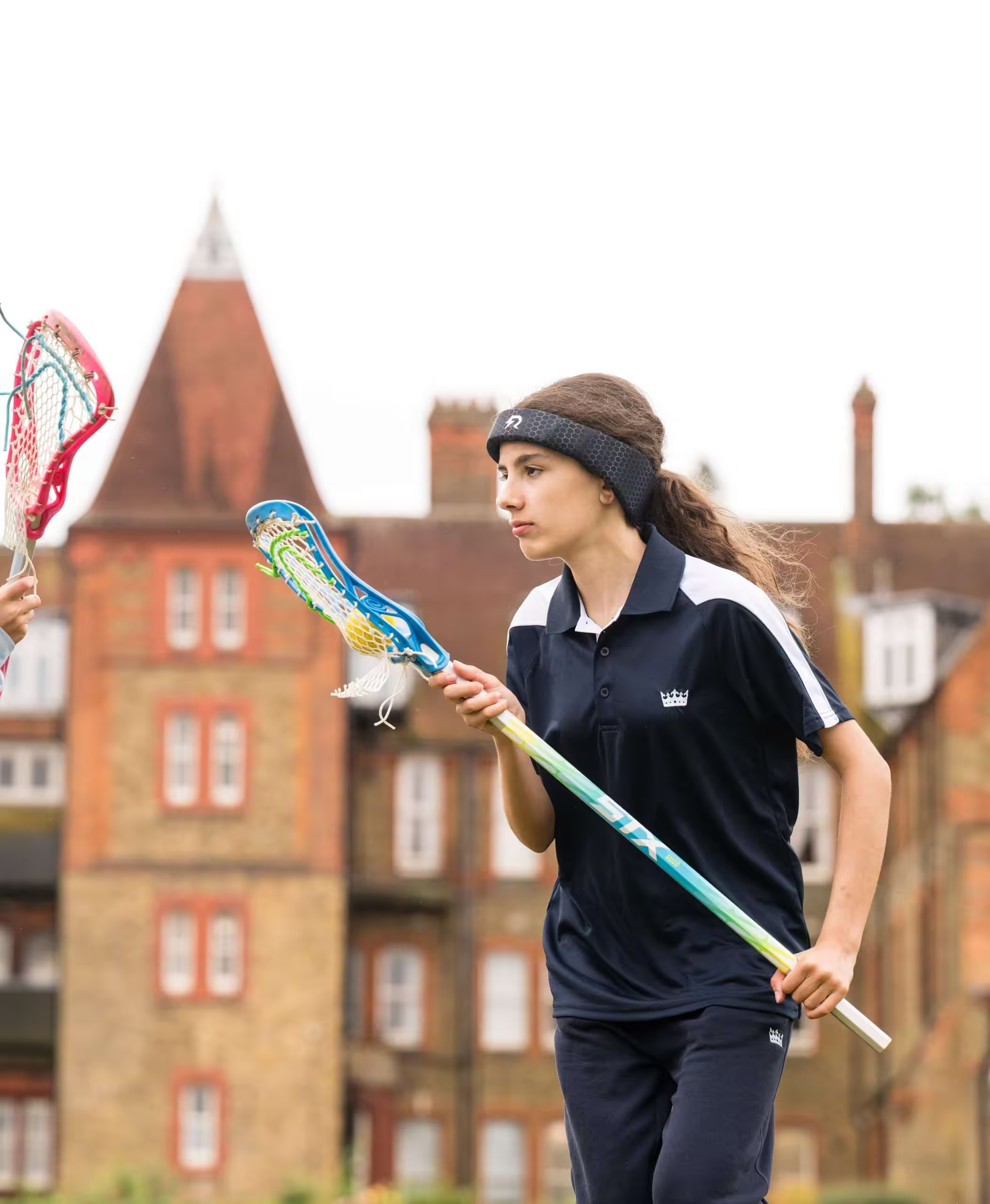
Protection needs to work in real playing conditions. It should stay in place during movement, be practical during training and matches, and work with the realities of the sport. That includes being compatible with protective eyewear, which is a key consideration in women’s and mixed lacrosse. Rezon Halos® is compatible with eye protection, making it more suitable for real use in the sport [5, 9].
Is comfortable enough to wear consistently
Even strong protective design matters less if players are unlikely to wear it. Comfort affects real-world use, especially during repeated training sessions and match play. The best head protection should feel practical enough to wear consistently, without becoming distracting or uncomfortable over time.
Should brain protection only be worn in high-risk moments?
No. In women’s and mixed lacrosse, head impacts are not limited to one set piece or one isolated phase of play. Risk can arise in open play, contested possession, transitions, collisions, stick challenges, falls, and unexpected contact. That means brain protection should not be thought of only as something relevant in rare or dramatic moments [6, 8].
This is one of the most important differences between brain protection and more situational protective equipment. Brain injury risk in lacrosse is part of the overall playing environment. If the aim is to reduce exposure to harmful force, then protection should make sense across normal participation, and in training, not only in a narrow set of scenarios [1, 3].
What is the best head protection for women’s and mixed lacrosse?
The best head protection for women’s and mixed lacrosse is protection designed around the biomechanics of brain injury. That means it should reduce rotational force, be supported by credible testing, and be suitable for real use in the sport [1, 2, 10].
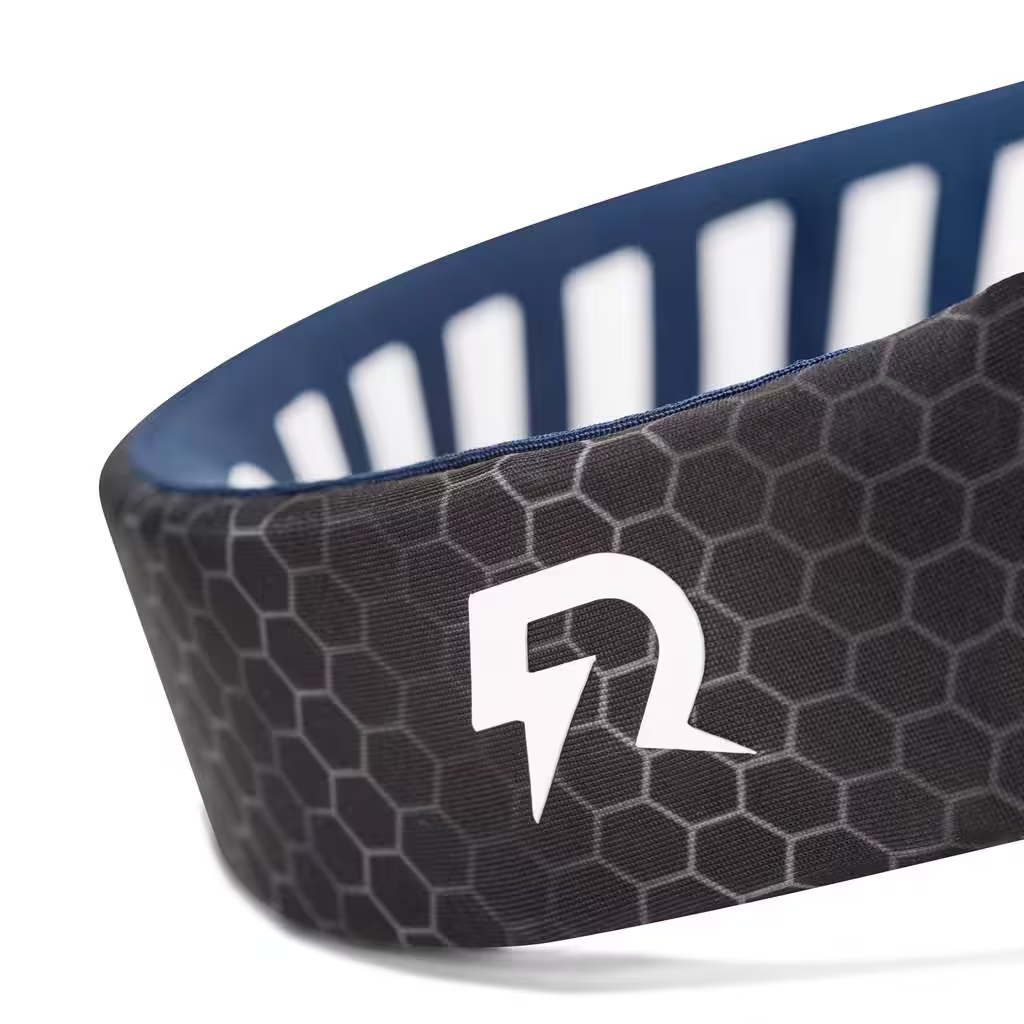
Rezon Halos® uses patented Rotection® technology and has been proven to reduce rotational force transmission by up to 61%, reduce concussion risk by 74%, and has achieved both a Virginia Tech 5-Star safety rating and CE / UKCA Category II PPE certification. Rather than focusing only on cushioning the outside of the head, Halos® is designed to protect the brain by reducing the transmission of rotational forces, lowering the cumulative load of head impacts over time [10, 11].
| Head Protection | Brain Protection |
|---|---|
| Designed to reduce cuts, abrasions and surface injuries | Designed to reduce brain injury risk |
| Typically focuses on reducing linear impact forces | Reduces linear forces and, more importantly, rotational forces, the primary driver of brain injury |
| Typically uses foam padding | Uses advanced protective technology engineered for brain safety |
| Protects the surface of the head | Designed specifically to protect the brain |
| Traditional all-head coverage sports headgear | Modern brain protection technology |
This distinction is central to understanding protection in lacrosse. Players may already wear important kit for the eyes, teeth, face, or general safety, but brain protection requires a more specific design focus. The key question is not simply whether the head is covered. The key question is whether the product is designed to reduce the forces most closely linked to brain injury. [1, 2, 3]
Who should consider brain protection in women’s and mixed lacrosse?
Brain protection should be considered by any player exposed to the normal impact risks of women’s and mixed lacrosse. That includes players involved in regular match play, repeated training, contested possession, fast transitions, falls, and player contact. It is also especially relevant for players with a history of concussion, for younger athletes whose brain is still developing [12], and for parents and coaches who want to think more carefully about long-term brain health rather than focusing only on visible injury. Because not every meaningful impact causes symptoms, brain protection in lacrosse should be seen as part of the broader conversation about safer participation in the sport [1, 3, 6, 8].
This is not only a US issue. In the UK, England Lacrosse requires suspected and confirmed concussions to be reported, and current UK grassroots concussion guidance states that if concussion is suspected after a head injury, the player should be removed from play or training immediately. Mixed lacrosse in England is also adapted from the women’s rules game, which supports treating women’s and mixed lacrosse as part of the same brain-protection conversation [13, 14, 15].
Frequently Asked Questions About Head Protection in Women’s and Mixed Lacrosse
Women’s and mixed lacrosse already includes important protective equipment, and those products serve real safety purposes. But protecting the eyes, teeth, face, or outside of the head is not the same as protecting the brain. The best head protection for women’s and mixed lacrosse is brain protection designed to reduce rotational forces, because those forces are the primary driver of brain injury in the sport. Focusing on concussion diagnosis alone risks missing the cumulative head-impact load that contributes most to long-term brain health [1, 2, 3, 8].
Author: Alex Reily