A major new study has confirmed chronic traumatic encephalopathy, CTE, in at least one in four former NFL players who died between 2016 and 2021. That figure is bad enough, but it is not the most striking number in the study.
Researchers identified 878 former NFL players who died during the six-year period. Of those, 235 had their brains examined. CTE was found in 215. That is 91.4% of the brains examined [1].
The one-in-four figure comes from a deliberately conservative calculation. The 215 confirmed cases represent 24.5% of all 878 former players who died. To establish that minimum, every player whose brain was not examined is effectively treated as though they did not have CTE. But we cannot assume that.
Brain donation carries an obvious selection bias; families worried about cognitive, neurological or behavioural symptoms may be more likely to donate. But those limitations do not make the result reassuring. They tell us that 24.5% is the confirmed floor; with the true prevalence unknown and may be considerably higher [1].
91.4%
215 of the 235 former NFL brains examined from deaths in 2016–2021 had CTE.
24.5%
The minimum confirmed prevalence across all 878 former NFL players who died in the period.
One in four is an extraordinary warning. Sport should not need to know whether the real number is one in three, one in two or higher before deciding that action is required.
We should not be asking sportspeople to gamble their future brain health in return for participation. Even if the risk were eventually shown to be anywhere close to a coin flip, no responsible sport would call that acceptable. Surely, a confirmed minimum of one in four in this cohort is already enough to demand change.
Players deserve the opportunity to reach older age with their brains as healthy as their bodies.
As Rezon’s brain-health expert Dr Emer MacSweeney has put it:
That warning matters because the lesson from this study is much bigger than the NFL; it is sport wide.
This is not an NFL problem. It is not even a helmeted-sport problem.
CTE is associated with repetitive head impacts. Repeated small-force and larger-force impacts are not unique to American football.
Post-mortem CTE pathology has been reported across an extraordinarily broad range of sports; including American football, Canadian football, Australian rules football, association football (soccer), rugby union, rugby league, ice hockey, lacrosse, boxing, wrestling, mixed martial arts and other martial arts. It has been identified in professional and amateur athletes [2, 3].
That breadth matters. CTE is present when repeated head impacts are present, regardless of the sport.
In rugby union, researchers examining 31 donated brains found CTE in 21 – 68%. And, importantly, 13 of those 21 players had played solely at amateur level. The same research found increasing risk with longer playing careers; each additional year of rugby was associated with an approximately 14% increase in the risk of CTE within that selected brain-bank sample [4].
Football provides another clear warning. In one small, selected series of retired footballers with dementia, four of the six brains examined met neuropathological criteria for CTE. Most of those players had started heading during childhood and had relatively little recorded concussion history [5]. An increasing number of cases are also confirming CTE in ex-football players, such as Gordon McQueen.
Earlier American-football brain-bank research has also identified CTE among players whose highest level of participation was high school or college; it was not confined to NFL professionals. Repetitive head-impact exposure is not an elite-professional phenomenon [6].
The common denominator is not the level of play. It is not whether the player wears a helmet. It is repeated exposure to small force head impacts, sub-concussions.
Sport has spent decades protecting, and is still protecting, the wrong mechanism of brain injury
Sport has traditionally approached protection by focusing on the visible outcome of head impact: cuts, scrapes, abrasions, and concussion.
Helmets and padded headgear can reduce linear acceleration and the risk of injury to the skull, scalp and ears. But protecting the outside of the head is not the same thing as protecting the brain.
World Rugby makes this distinction unusually clear. Its current specification says conventional rugby headgear is intended to protect against cuts and abrasions; it is not intended or expected to protect against mild traumatic brain injury [7].
The deeper problem is biomechanical. When the head is struck, the brain does not simply move in a straight line. It also rotates. The brain is soft tissue suspended inside the skull. Rapid rotation causes different parts of that tissue to move and deform at different rates. This is associated with tearing of tiny blood vessels, and brain cells resulting, over time, in the breakdown of the blood-brain barrier and the creation of damaging neuro-inflammation. Rotational acceleration has been recognised for decades as a critical mechanism of the tissue deformation involved in traumatic brain injury and concussion [8, 9].
Repeated small force impacts to the head, sub-concussions, adversely affect memory, and the ability to focus, learn and think, as well as behaviour. It is the accumulated damage of sub-concussions, rather than just single big-hit concussions, that primarily contributes to Chronic Traumatic Encephalopathy (CTE), and early-onset dementia [13, 15].
A review of sports concussion protection concluded that helmets dissipate linear acceleration more effectively than rotational acceleration; rugby-headgear research has similarly shown that much historical testing concentrated predominantly on linear measures [10, 11].
Some areas of sport are finally beginning to catch up. American-football standards now incorporate rotational acceleration, and a new youth NOCSAE standard will introduce an explicit rotational-acceleration limit from September 2027 [12].
That is progress. But it also proves the point. Sport has spent decades focused on the wrong protective mechanism; and in large parts of sport, it still is.
If the objective is brain protection, reducing linear loading alone is not enough. Protection must address the rotational motion that causes cumulative damage to the brain across training, matches, seasons, years and a lifetime of sport.
Sport now knows what rotational force does to the brain
We do not need to speculate about whether rotational forces matter. Biomechanical research shows that rapid rotation produces shear deformation within brain tissue [8, 9]. We also have evidence connecting cumulative head-impact loading with CTE pathology.
The analysis of lifetime repetitive-head-impact exposure in 631 deceased American-football players found that models incorporating estimated cumulative linear or rotational acceleration predicted CTE pathology better than playing duration or estimated impact count alone.
Every additional estimated 1,000,000 rad/s² of cumulative rotational acceleration was associated with 22% higher odds of being diagnosed with CTE; among those with CTE, it was associated with 20% higher odds of severe CTE. Reported concussion count itself was not significantly associated with CTE status or severity [13].
That distinction is crucial. The long-term threat of neurodegenerative consequences is not defined only by the concussions that are diagnosed. It is the total biomechanical damage the brain receives from concussive and sub-concussive impacts. Research has also shown that biological changes can be detected after repeated sub-concussive head impacts and when no concussion has been diagnosed.
One study followed adolescent rugby-union players across a six-month season and found evidence of blood-brain-barrier disruption in a subset despite the absence of diagnosed concussion. The blood-brain barrier is the brain’s protective interface with the circulation; disruption can allow processes associated with inflammation and neurological damage to develop [14].
The absence of concussion is not the absence of brain injury. And that is what sport, governing bodies, players, parents, clubs and schools need to understand: concussion is an outcome we recognise, but concussion is just the visible tip of the iceberg when it comes to brain injury in sport.
“The risk and severity of CTE is not caused primarily by single big-hit concussions, but by multiple smaller sub-concussive blows to the head and body. Failure to grasp this critical discovery is too common, and presents a huge issue in understanding how to tackle CTE.”
Dr Emer MacSweeney – CTE: The silent killer in contact sports | TEDxAthens

Dr MacSweeney’s warning is clear: the risk and severity of CTE is associated primarily with repeated smaller-force sub-concussive impacts, not only with isolated big-hit concussions [15].
Failure to understand this distinction has left sport focused on identifying and focusing on a comparatively small number of symptomatic injuries while the greater volume of brain injury continues unnoticed.
CTE becomes apparent long after the player leaves the field. The exposure starts in childhood.
CTE is a neurodegenerative disease associated with repetitive head-impact exposure. Its consequences can become apparent after a player has stepped off the sports field for the final time. But the exposure contributing to that risk does not begin in retirement. Nor does it begin when an athlete signs a professional contract.
For most players, it begins in childhood.
A professional athlete entering an NFL roster, Premiership rugby squad, professional football academy or boxing career does not arrive with a brain that has had no exposure to repetitive impacts. They have spent years heading balls, tackling, being tackled, sparring, falling and absorbing impacts through school, academy and community sport.
And we already have evidence that measurable changes can occur during those early years. A prospective imaging study of youth American-football players aged 8 to 13 found an association between cumulative sub-concussive head-impact exposure over a single season and changes in specific white-matter tracts. None of the children had suffered a clinically diagnosed concussion [16].
That study did not diagnose CTE in children. Nor does one season of imaging tell us what will happen to those children decades later. But what it does tell us is important enough. Brain exposure begins producing measurable changes long before professional sport and without a diagnosed concussion.
That is why focusing only on concussion starts too late. A concussion protocol is necessary when injury is suspected. It can identify symptoms, remove a player from play and support recovery. But a concussion protocol cannot undo the forces that have already damaged the brain. And it cannot address the hundreds or thousands of lower-force sub-concussions that create no symptoms, but still damage the brain.
CTE becomes apparent at the end of a player’s sporting journey. Brain protection has to start at the beginning, as soon as a child is first exposed to the risk of repetitive concussive and sub-concussive head impacts.
Cumulative brain injury deserves cumulative protection
The scientifically important point from the new NFL study is not simply that CTE exists in players. We have known that for decades.
The important point is the scale at which confirmed neurodegenerative disease is appearing in athletes with extensive histories of repetitive head impacts. At least one quarter of the entire deceased NFL cohort had confirmed CTE. Nine out of ten of the brains researchers actually examined had it.
Rugby brain banks have found it in amateurs. Football has demonstrated it without helmets. Boxing showed us the problem almost a century ago. Youth studies show that measurable brain changes can begin without concussion, long before professional sport.
We know enough. Focusing on concussion is starting too late.
The responsible response is to reduce the total exposure to rotational forces in sport. Sport needs to reduce the rotational force transmitted to the brain in head impacts that remain commonplace in play. The best mitigation is cumulative because the exposure is cumulative. That is exactly why Rezon Halos® was designed around rotational force reduction.
In independent Virginia Tech head-to-head laboratory testing, Halos® with Rotection® technology reduced peak rotational acceleration by up to 61%. Halos® also holds a Virginia Tech 5-Star rating and CE/UKCA Category II PPE certification [17].
No piece of protective equipment can make repeated head impacts harmless, and no product can promise that an individual athlete will never develop CTE, but we can reduce the volume of rotational force transmitted to the brain. We can reduce cumulative damage from sub-concussions.
And when the disease we are trying to mitigate is primarily associated with a lifetime dose of repeated brain injury, that is where brain protection has to start.
Cumulative brain injury deserves cumulative protection.

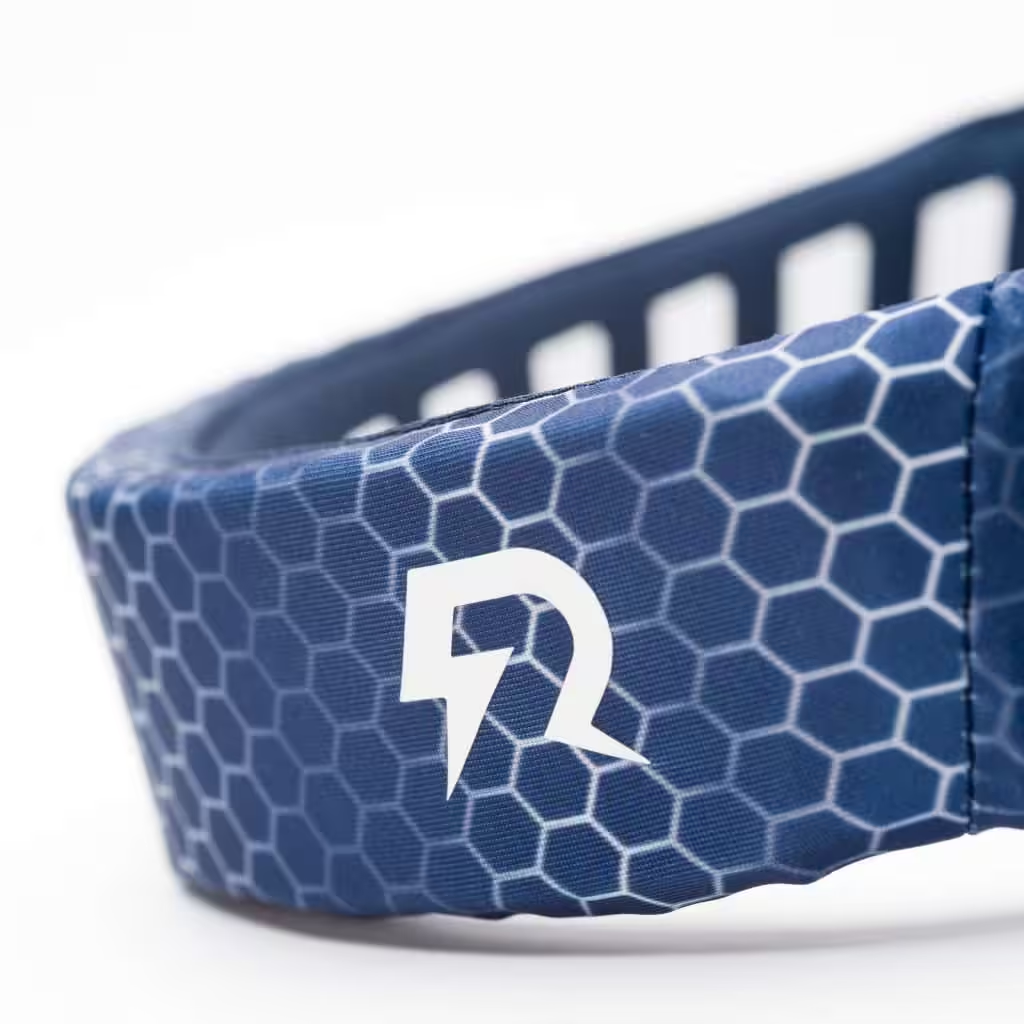
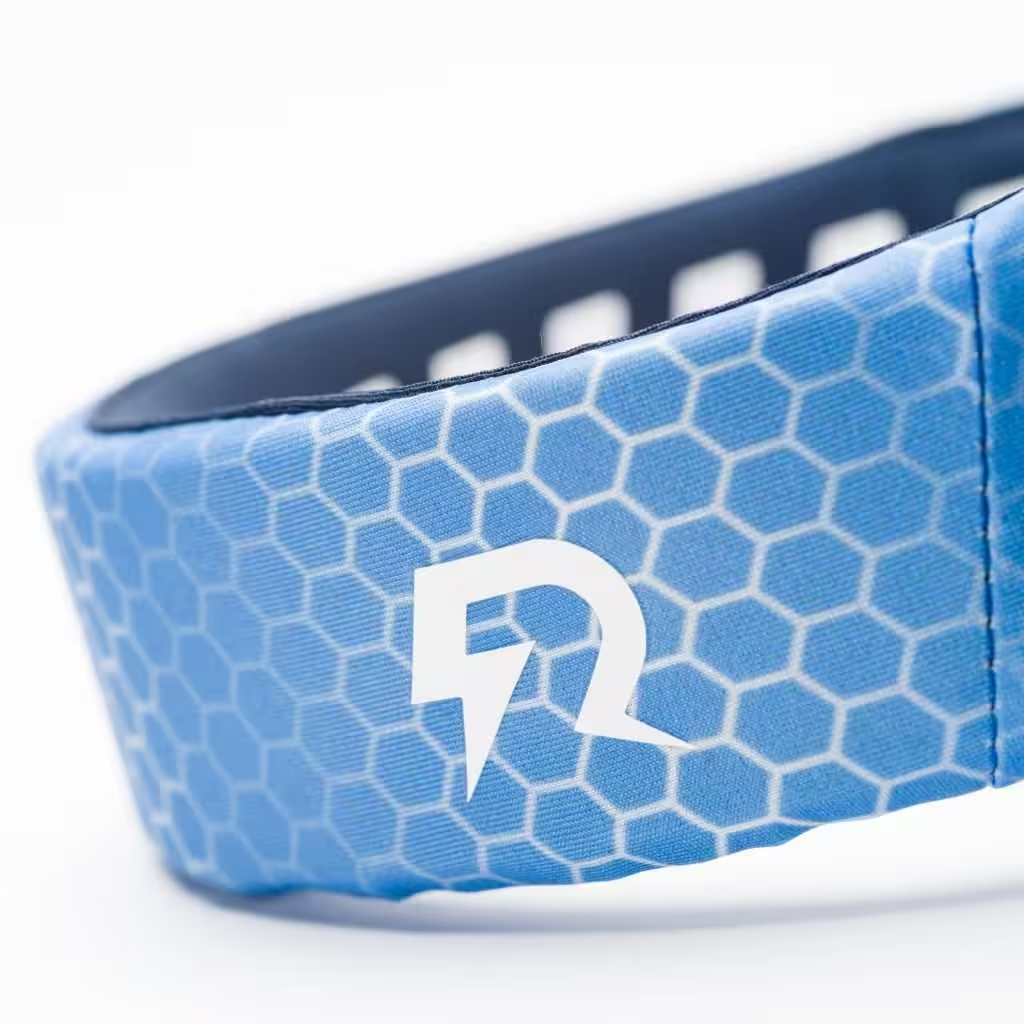
Rezon Halos®: Brain Protection in Sport
Halos® is a groundbreaking headband that protects the brain. It’s the only headgear of its kind that is designed to reduce your risk of concussion and developing Chronic Traumatic Encephalopathy (CTE) from the accumulated damage of sub-concussions.
Why Halos®?
- Reduces concussion risk by 74%*
- Reduces rotational force to the brain by up to 61%, and linear force by up to 64%*
- Internationally recognised Virginia Tech 5 star safety rating
- CE/UKCA Category II PPE-certified
- Sleek, lightweight, flexible and hypoallergenic
- Water and tear-resistant
*based on independent testing
- Prevalence of chronic traumatic encephalopathy at death in National Football League players: retrospective population based cohort study, 2008–21. Daneshvar DH, Nowinski CJ, Abdolmohammadi B, et al. BMJ. 2026
- Chronic traumatic encephalopathy (CTE): criteria for neuropathological diagnosis and relationship to repetitive head impacts. McKee AC, Stein TD, Huber BR, et al. Acta Neuropathologica. 2023
- Neuropathology in chronic traumatic encephalopathy: a systematic review of comparative post-mortem histology literature. Murray HC, Osterman C, Bell P, Vinnell L, Curtis MA. Acta Neuropathologica Communications. 2022.
- Risk of chronic traumatic encephalopathy in rugby union is associated with length of playing career. Stewart W, Buckland ME, Abdolmohammadi B, et al. Acta Neuropathologica. 2023.
- Mixed pathologies including chronic traumatic encephalopathy account for dementia in retired association football (soccer) players. Ling H, Morris HR, Neal JW, et al. Acta Neuropathologica. 2017.
- Clinicopathological Evaluation of Chronic Traumatic Encephalopathy in Players of American Football. Mez J, Daneshvar DH, Kiernan PT, et al. JAMA. 2017.
- Headgear Performance Specification. World Rugby.
- Rotational acceleration, brain tissue strain, and the relationship to concussion. Post A, Hoshizaki TB. Journal of Biomechanical Engineering. 2015.
- Biomechanics of Concussion. Meaney DF, Smith DH. Clinics in Sports Medicine. 2011.
- Sport-Related Concussion: Evaluation, Treatment, and Future Directions. McKeithan L, Hibshman N, Yengo-Kahn AM, Solomon GS, Zuckerman SL. Medical Sciences. 2019
- Soft-shell headgear in rugby union: a systematic review of published studies. Henley S, Andrews K, Kabaliuk N, et al. Sport Sciences for Health. 2023.
- NOCSAE Youth Football Helmet Standard ND006. Rotational acceleration forms part of the performance criteria. 2027.
- Leveraging football accelerometer data to quantify associations between repetitive head impacts and chronic traumatic encephalopathy in males. Daneshvar DH, Nair ES, Baucom ZH, et al. Nature Communications. 2023.
- Dynamic Blood–Brain Barrier Regulation in Mild Traumatic Brain Injury. O’Keeffe E, Kelly E, Liu Y, et al. Journal of Neurotrauma. 2020.
- CTE: The Silent Killer in Contact Sports. MacSweeney E. TEDxAthens. May 2022.
- Subconcussive head impact exposure and white matter tract changes over a single season of youth football. Bahrami N, Sharma D, Rosenthal S, et al. Radiology. 2016.
- Our Laboratory Testing for Halos®. Further Reading. Rezon.
Author: Judith McMinn