While youth sports can be incredibly rewarding and beneficial for long-term health, every parent worries that their child will gain an injury during practice or play. After all, we can no longer ignore the considerable risks associated with both concussive and sub-concussive head impacts: comprehensive protection strategies must be put in place to address this.
So, how can we reduce the risk of concussion or sub-concussions in student sports? In this post, we’ll cover the risks of head impacts, what current approaches are in place, and how brain protection can provide a safeguarding solution. Let’s jump right in!
The Risks of Head Impacts in Sports
The risk of concussion and repeated small-force impacts, known as sub-concussions, can have a severe and lasting effect on the brain. You may be familiar with concussions; this type of traumatic brain injury is well-known for its immediate clinical symptoms, which include dizziness, confusion, and headaches.
On the other hand, sub-concussive impacts don’t cause symptoms, but are 500 times more frequent, caused by a quarter of the force, and are more damaging to the brain in the long term. These repetitive, minor impacts create inflammation in the brain and their accumulated damage, resulting in significant neurological impairments, including CTE, and early onset dementia.
After all, the brain was not designed to be rotated inside the skull through rotational forces that are present in every head impact, such as bumping a ball, the ground, another individual’s head, a post or even a ball.
The brain is most vulnerable between the ages of 8-12. Between ages 8-12 is when peak development of the brain occurs, but the brain is still developing through the refinement and rearrangement of pathways and connections between cells until the early 20s.
Players experiencing head impacts prior to age 12 have been found to have demonstrated worse learning abilities as adults compared to those who were at least 12 years old when they were first exposed to contact and collision sports.
After all, head impacts can disrupt brain function. Athletes in high-impact spots can experience cognitive decline, memory issues, and decreased executive skills later in life. But the risk is by no means limited to professional athletes and typically a student player will experience hundreds, if not thousands, of sub-concussive impacts in a season. This knowledge underscores the urgency of addressing head impacts in youth sports – especially as the developing brains of teenagers are particularly vulnerable.
Current Approaches to Limiting Risk of Concussion
Sporting bodies have indeed recognised the dangers of head impacts and have enforced various measures to mitigate risk. These include:
- Limiting heading in football training
- Conducting regular head injury assessments
- Monitoring players for signs of concussion and their removal from play and graduated return to play
While these risk mitigation strategies showcase that sporting bodies are taking a step in the right direction, they are far from enough to eliminate the full risk of head impacts.
For example, simply decreasing the frequency of heading in training sessions cannot completely prevent head impacts during games. Similarly, the last two action points concentrate on identifying and managing concussions after they occur – instead of reducing them in the first place and sub-concussions. This means the current approaches fall short of offering brain protection for young athletes.
Protecting the Brain with Rezon Halos
Now that you know more about the risk of head impacts and why the brain needs to be protected from rotational forces, concussion and sub-concussions, let’s consider how brain protection can provide a solution.
So, what are Rezon Halos?
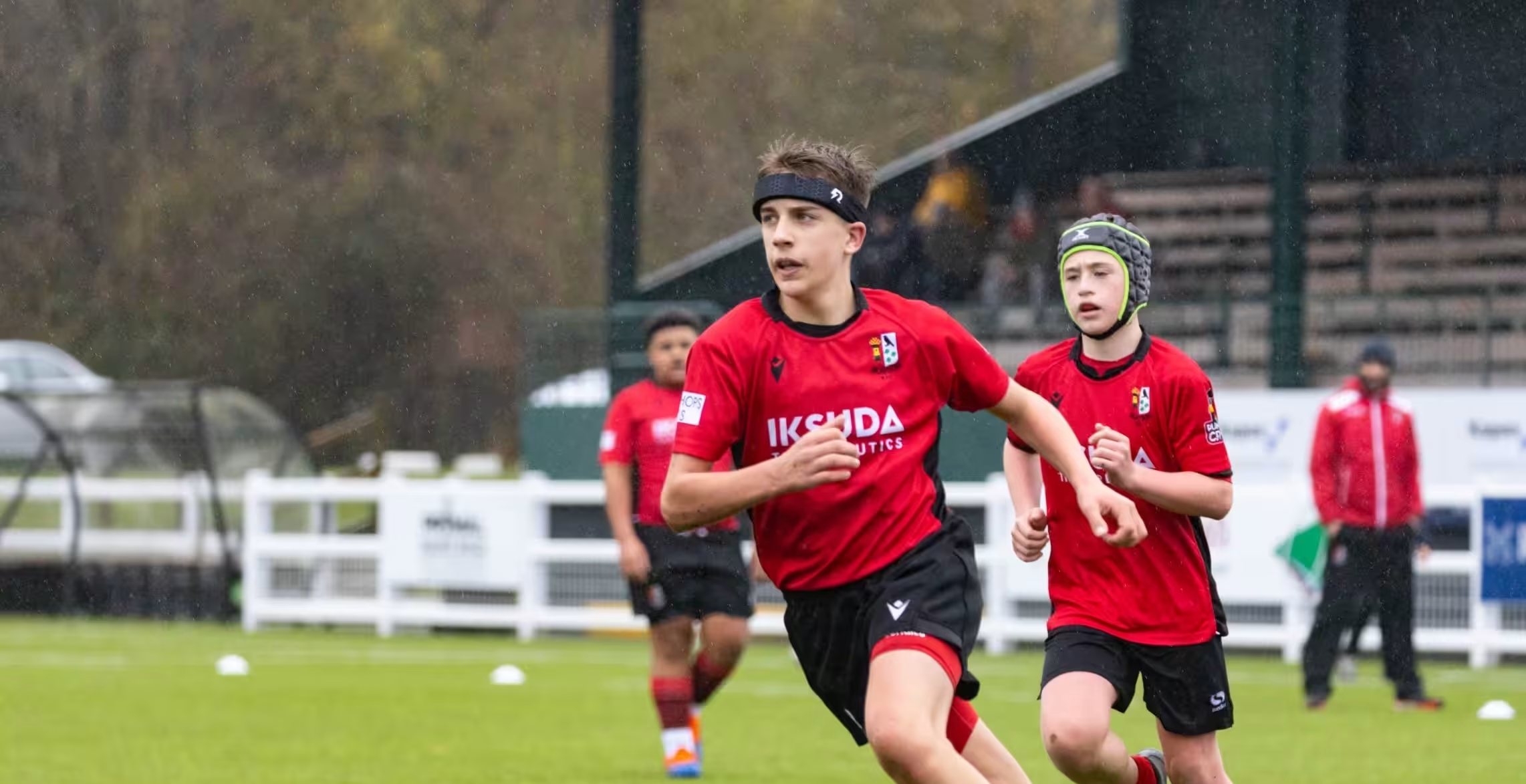
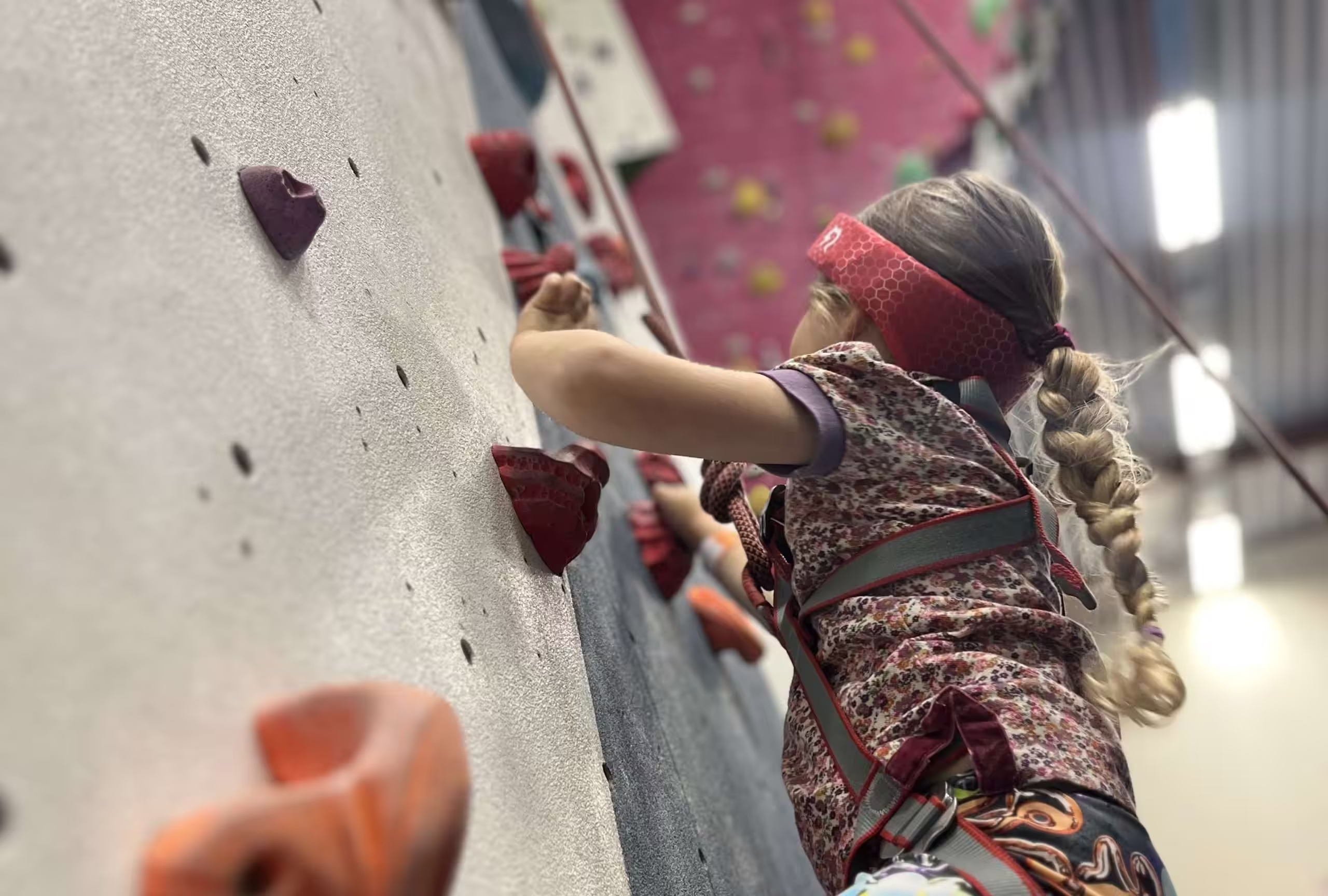
The Rezon Halo is a protective headband to protect the brain against both concussive and sub-concussive impacts. Unlike regular protective headgear, which primarily focuses on scalp protection, Rezon Halos concentrate on reducing rotational forces from concussive and sub-concussive impacts, decreasing the risk of brain injury and the accumulated damage that can trigger CTE.
With an innovative design, The Halos headband reduces forces and, therefore, the transfer of energy to the brain following a head impact. With a multi-layer construct (nine layers within a 9.5mm profile), three specific layers within Halos will part deform on impact and convert kinetic energy into heat, with energy being lost or expended and reducing rotational forces by up to 61%.
School Responsibility: Prioritise Protection Concerning Concussions
Schools have a duty of care to protect their students – there’s just no avoiding it. This means safeguarding student brain health in sports is crucial, and mitigation strategies like using Rezon Halos are not optional.
In addressing this pressing issue in sports, we can reduce the long-term risks of concussive and sub-concussive impacts. School leaders, coaches, teachers, and governors: you are responsible for our future generation in sport. Prioritise proactive protection measures and put the future of our young athletes first today.
Any questions about head impact or purchasing Rezon Halos? Please contact us.
1. Diffuse Axonal Injury, Mesfin FB, Gupta N, Hays Shapshak A, et al, 2023.
2. Diffuse Axonal Injury: Epidemiology, Outcome and Associated Risk Factors, Vieira RC, Paiva WS, de Oliveira DV, Teixeira MJ, de Andrade AF, de Sousa RM, 2016.
Author: Judith McMinn