Last week, new evidence from American football forced another conversation about CTE in the NFL. This week, Australian rugby league has delivered another stark warning on CTE.
Data from the Australian Sports Brain Bank, presented at the International Sports Concussion Conference in Melbourne, found chronic traumatic encephalopathy, CTE, in 31 of 51 donated brains from people who had played rugby league. The donors had played at levels ranging from amateur to professional. CTE was identified in players in their 20s, 30s and 40s [1].
This was a brain-bank cohort, and not a representative sample of every person who has played rugby league. It does not mean that 60.8% of rugby league players have CTE. But what it does show is that CTE was present in more than 60% of this particular group of donated brains; including people who had never played professionally and people who died remarkably young [1].
Those details should challenge and change the conversation about brain injury and brain protection in sport.
60.8%
31 of 51 rugby league brains examined had CTE.
20s, 30s and 40s
CTE was identified in amateur and professional players who died in their 20s, 30s and 40s.
Every player deserves the opportunity to reach older age with their brains as healthy as their bodies.
As Rezon’s brain-health expert Dr Emer MacSweeney has put it:
That warning matters because the lesson from this study is much bigger than Rugby League; it is contact and collision sport wide.
CTE at 20 changes the conversation
The case that should make every parent, coach and governing body pay attention is Keith Titmuss. The Manly Sea Eagles player was just 20 years old when he died. His brain was subsequently found to have stage 2 CTE [1].
Titmuss had started playing junior rugby league at five years old. He later played schoolboy rugby union. By the time of his death, ABC reports that he had experienced approximately 15 years of exposure to contact sport [1].
A 20-year-old with stage 2 CTE should fundamentally change the way sport thinks about when brain protection matters. Exposure to repeated sub-concussive head impacts and rotational forces does not wait until you become a professional athlete; it starts when you first begin training and playing with others.
For players who enter contact and collision sport in childhood, years of repetitive sub-concussive head-impact exposure have accumulated long before they reach adulthood.
That is the point that sport, parents, schools and clubs cannot afford to ignore. The damage to the brain is cumulative, so players need brain protection throughout their playing lifetime to reduce the damage caused by rotational forces in concussive and sub-concussive head impacts.
The exposure starts long before elite sport
A professional athlete does not suddenly encounter repetitive sub-concussive head impacts when they sign their first contract. By that point years of exposure have already happened in training, drills and competition.
They have tackled and been tackled. They have fallen. They have collided with other players and the ground. They have trained week after week and competed season after season. And they have been exposed to thousands of sub-concussions, which produce no symptoms, but which transmit rotational forces to the brain. Over these years of play, prior to becoming ‘professional’ or ‘elite’, cumulative damage has been building silently and invisibly inside the brain [3, 5, 6].
The biomechanics of brain injury do not change because the match is being played at a junior club rather than a professional stadium. The brain experiences the forces transmitted during an impact, regardless of the level of competition at which that impact occurred.
Brain-injury risk is cumulative, and the relevant question is not simply when somebody becomes an elite athlete; it is when the exposure begins. For millions of children playing youth and school sport today, that exposure has already started.
Last week the NFL. This week rugby league.
Last week, we wrote about major new research into CTE among former NFL players and what it tells us about repetitive head-impact exposure in sport [2].
That research demanded attention. But there is a danger that stories about the NFL reinforce ideas that sport has held onto for too long; that CTE is principally a problem affecting people who have spent years competing at the highest level of an extraordinarily physical professional game; or that CTE is only a problem in high-impact helmeted sports.
Both assumptions are wrong, and the Australian findings make that interpretation much harder to sustain.
Different sport. Different country. Same underlying concern: repetitive sub-concussive head-impact exposure.
Nor does it stop there. Post-mortem CTE pathology has been reported across an extraordinarily broad range of sports; including American football, Canadian football, Australian rules football, association football (soccer), rugby union, rugby league, ice hockey, lacrosse, boxing, wrestling, mixed martial arts and other martial arts [2].
And evidence from youth sport has already given us reasons to take early exposure seriously. Brain-imaging research in children aged 8 to 13 found an association between greater cumulative sub-concussive head-impact exposure over one season and measurable changes in white-matter tracts, despite none of the players being diagnosed with concussion [4].
The connection between repeated sub-concussive head impacts in sport and CTE is clear. The question is when parents and players will choose to protect the brain.
“The risk and severity of CTE is not caused primarily by single big-hit concussions, but by multiple smaller sub-concussive blows to the head and body. Failure to grasp this critical discovery is too common, and presents a huge issue in understanding how to tackle CTE.”
Dr Emer MacSweeney – CTE: The silent killer in contact sports | TEDxAthens

Dr MacSweeney’s warning is clear: the risk and severity of CTE is associated primarily with repeated smaller-force sub-concussive impacts, not only with isolated big-hit or visible concussions [7].
Failure to understand this distinction has left sport focused on identifying and focusing on concussion and a comparatively small number of symptomatic injuries while the greater volume of sub-concussive brain injury continues unnoticed.
Protect children when the exposure begins
The best mitigation of brain injury risk in youth sport is to reduce the transmission of rotational forces in sub-concussive and concussive impacts [2, 5].
This has to begin when the exposure begins. For many players, that means childhood. Exposure begins as soon as a player begins training or playing any sport where there is a risk of collision with another player, the ball, equipment, or the ground. This includes in non-contact sports, in addition to combat, collision and contact sports.
Waiting until adulthood to become serious about brain health ignores the years of contact, collisions and cumulative exposure that can already have occurred. A player who reaches elite sport at 18 is likely to have spent a decade or more playing contact sport. In the case of Titmuss, he had already been exposed to 13 years of cumulative head impacts at 18.
That does not mean telling children they cannot play sport. Rezon is pro-sport. Children should be able to enjoy the enormous physical, social and psychological benefits sport provides. But those benefits are not an argument for accepting avoidable brain-injury risk.
Our mission is to offer every athlete the option to protect their brain and performance. Players and parents should be given the choice to use brain protection designed to reduce the transmission of rotational forces in concussive and sub-concussive head impacts.
Sport cannot eliminate head impacts. But we can reduce the transmission of rotational forces to the brain and the accumulated damage from sub-concussive head impacts when head impacts do occur.
Protecting children does not mean taking sport away from them. It means making the sport safer with head-worn brain protection.

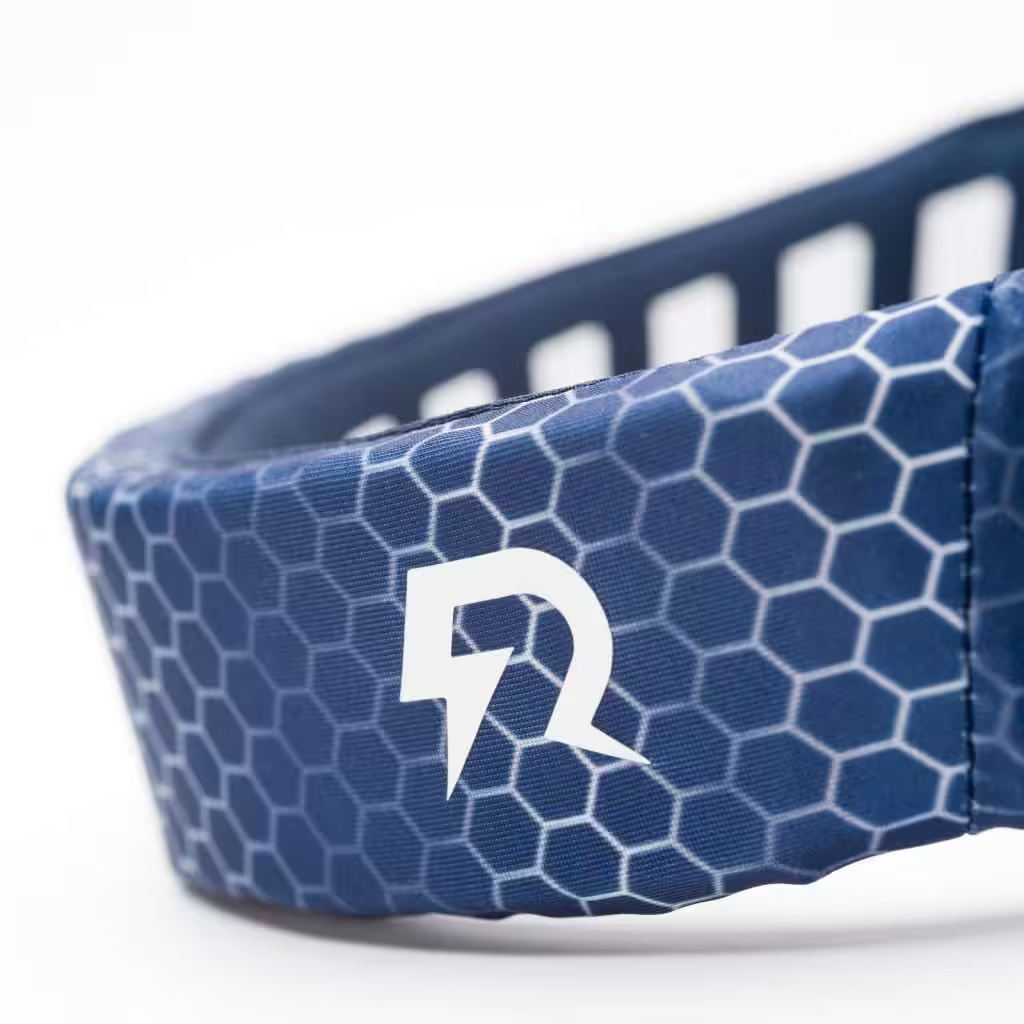
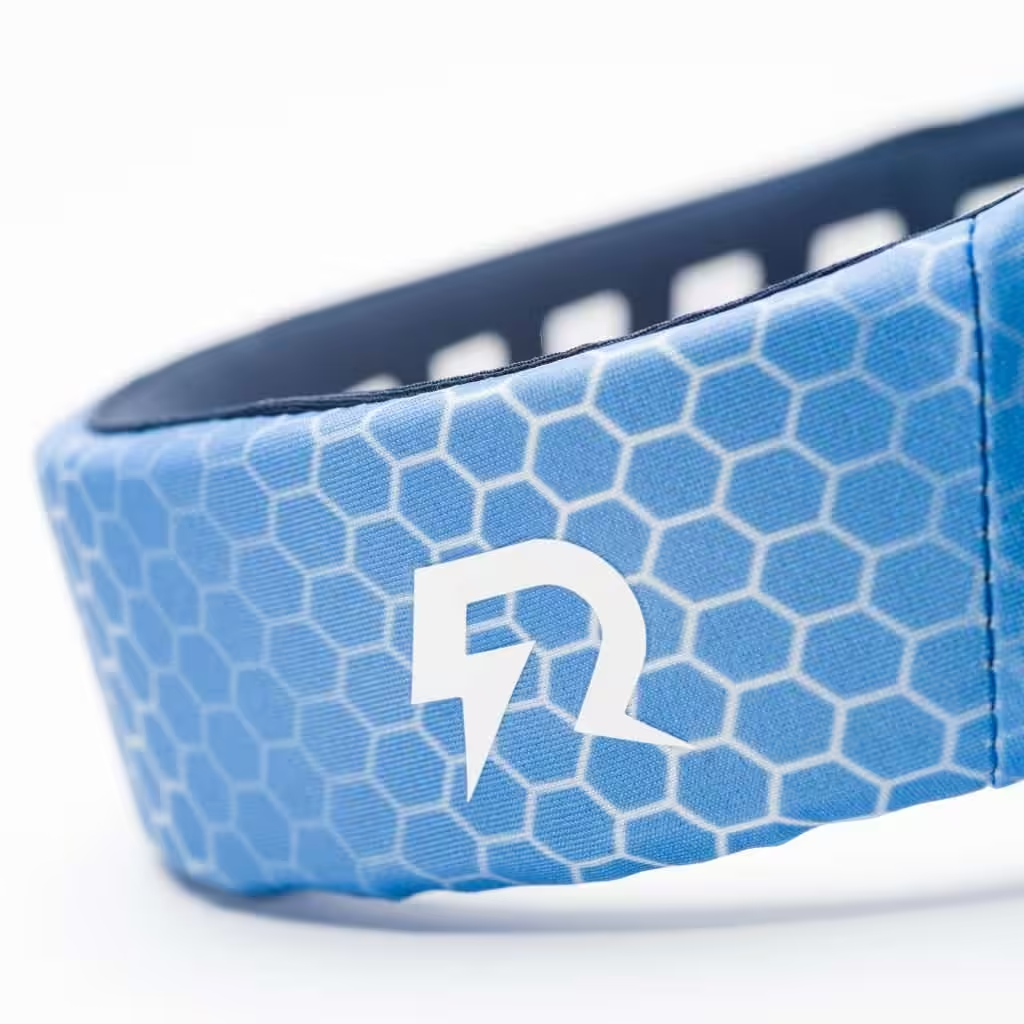
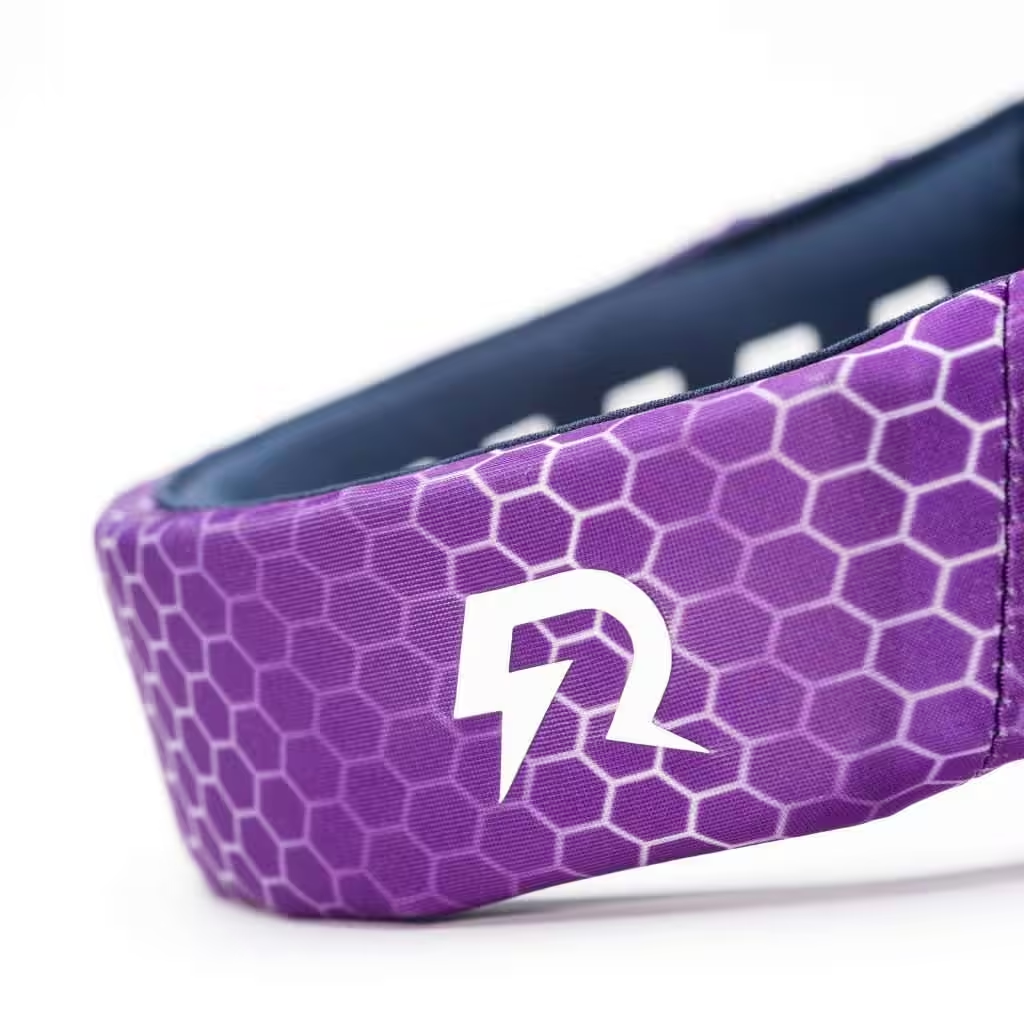
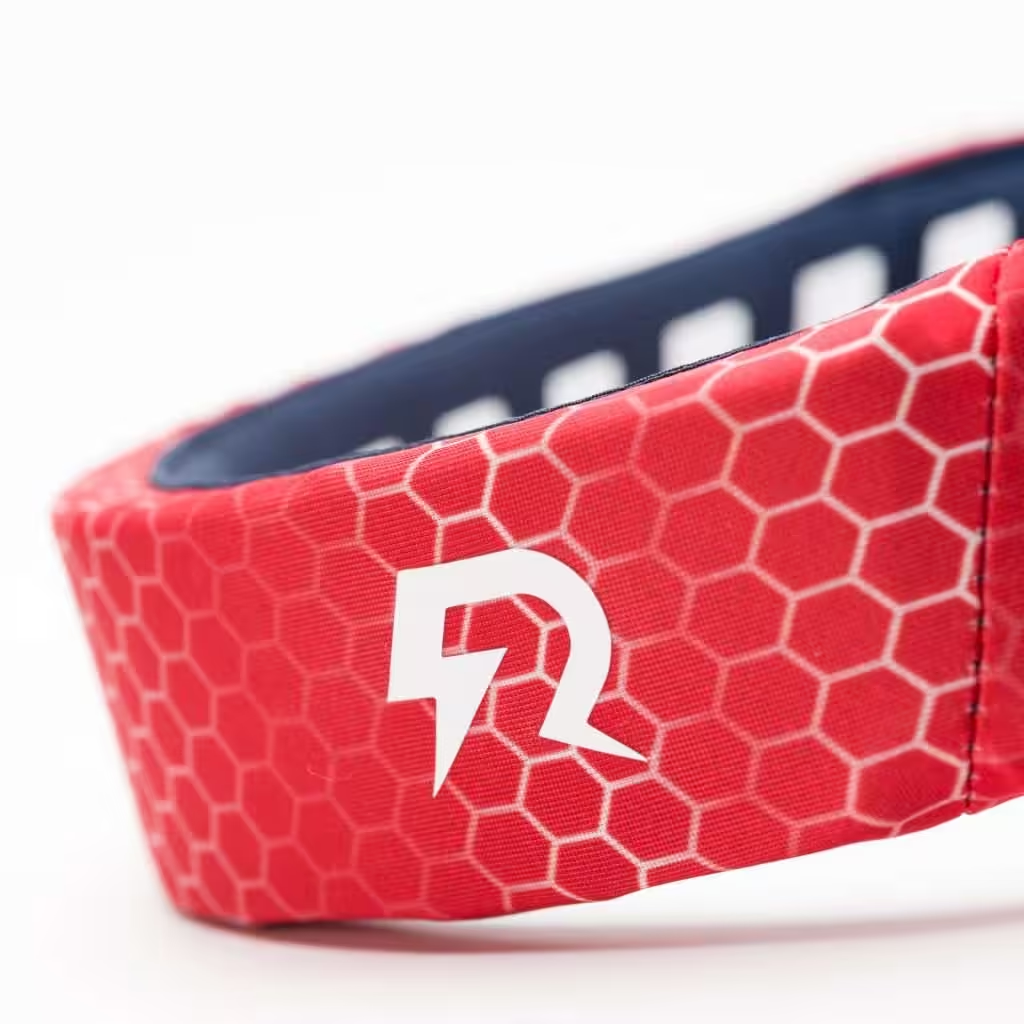
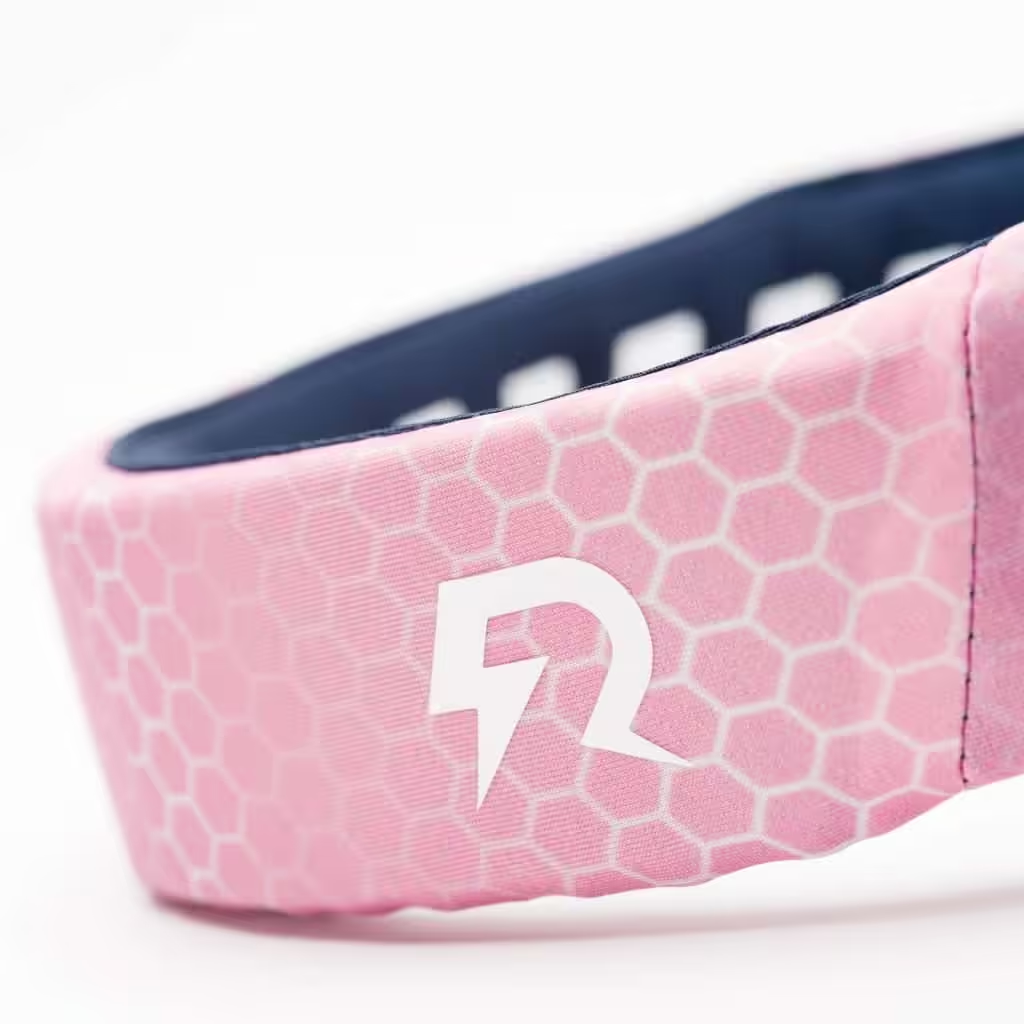
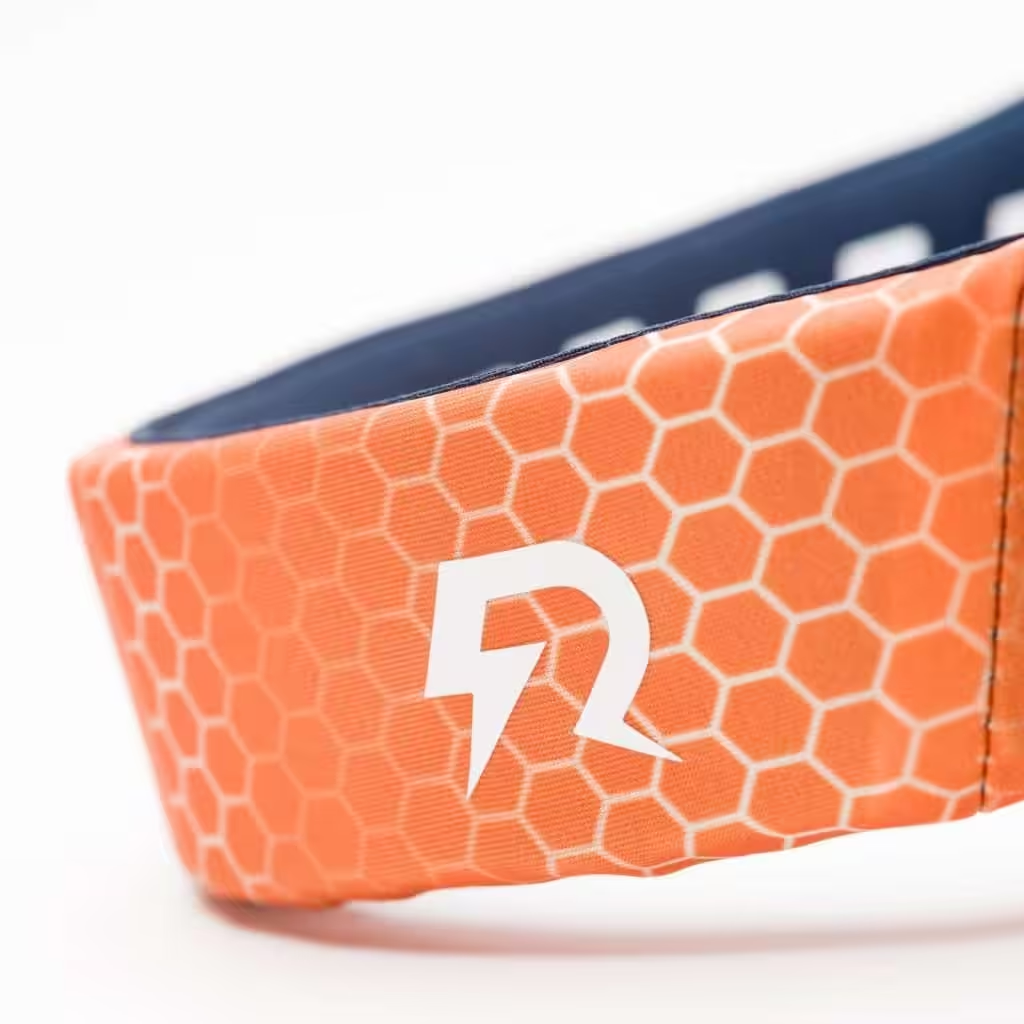
Rezon Halos®: Brain Protection in Sport
Halos® is a groundbreaking headband that protects the brain. It’s the only headgear of its kind that is designed to reduce your risk of concussion and developing Chronic Traumatic Encephalopathy (CTE) from the accumulated damage of sub-concussions.
Why Halos®?
- Reduces concussion risk by 74%*
- Reduces rotational force to the brain by up to 61%, and linear force by up to 64%*
- Internationally recognised Virginia Tech 5 star safety rating
- CE/UKCA Category II PPE-certified
- Sleek, lightweight, flexible and hypoallergenic
- Water and tear-resistant [8].
*based on independent testing
- Study on degenerative brain disease finds CTE in 31 former rugby league players. Jessica Halloran and Ninah Kopel. ABC News, 8 September 2026.
- 91% of NFL Brains Examined Had CTE. This Is Bigger Than American Football. Rezon.
- How Repeated Head Impacts Change the Brain, Even Without Diagnosed Concussion. Dr Michael Grey. Rezon
- Brain Imaging Study: Youth Sport and Repetitive Head Impacts. Rezon.
- How Does Rotational Force Cause Brain Injury in Sport and How Can It Be Reduced? Rezon.
- What Are Sub-concussions and How Do They Impact Long-term Brain Function? Rezon.
- CTE: The Silent Killer in Contact Sports. MacSweeney E. TEDxAthens. May 2022.
- Our Laboratory Testing for Halos®. Further Reading. Rezon.
Author: Alex Reily