What is a sub-concussion?
A sub-concussion is a head impact that does not cause concussion symptoms but still transmits rotational forces to the brain. Whilst an individual sub-concussion is asymptomatic; multiple sub-concussions can adversely affect memory, the ability to focus, learn and think as well as behaviour.
Sub-concussive impacts are 500 times more frequent than impacts which result in concussion. A sub-concussion causes damage to the brain without any symptoms, which is why sub-concussions are a growing concern in sport.
Former Wales captain Ryan Jones, England’s 2003 World Cup-winning hooker Steve Thompson, and former All Blacks prop Carl Hayman, are among the former professional and amateur rugby players suing World Rugby, the Rugby Football Union and the Welsh Rugby Union.
These men, all diagnosed with early-onset dementia and CTE, argue the sport’s governing bodies failed to protect players from permanent injury caused by repetitive sub-concussions from head injury.
Sub-concussions occur when smaller-force head impacts cause sudden brain movement without clinical symptoms, meaning sports players and those around them are not aware of this silent brain injury.
Every athlete, parent, fan, those with a legal duty of care as a coach and in schools needs to appreciate that while sub-concussive injuries are “hidden in plain sight”, they really are serious.
While individual sub-concussions do not cause concussion symptoms like dizziness, headache, nausea or vomiting, the repetition of sub-concussive injuries compound over time to increase the risk of Chronic Traumatic Encephalopathy (CTE).
CTE is a progressive, neurodegenerative disease that leads to early-onset dementia. The risk and severity of CTE is caused primarily by repeated sub-concussive impacts, not concussions.
Sub-concussions are not new in sport, but the understanding of them is slowly emerging. Also, the dangers of sub-concussive injury in sport are not properly understood by players, coaches, parents, fans or schools across the globe. Despite multi-million-dollar lawsuits involving the NFL and NHL in the US, the focus and narrative remains around concussion in sport, when in fact it’s really all about sub-concussive injury and repetitive head injury in sport.
What are sub-concussions?
Sub-concussions are head injuries in which a direct or indirect impact damages brain cell function, but the athlete does not experience any clinical symptoms of a concussion (mild traumatic brain injury, or mTBI). Players and those around them are not aware of these impacts, meaning sub-concussions simply go unnoticed and undetected.
Sub-concussions tear fine blood vessels in the brain, disrupt the protective brain barrier, and lead to abnormal, harmful, and uncontrolled inflammation within the brain. Over time, this causes an abnormal build-up of tau protein in the brain, with tangles and clumps forming that are damaging to it. When tau protein is damaged, it can no longer stabilise brain cells and they lose their ability to function effectively. As tau protein spreads because of damage, the brain cells needed for thought and control of emotions and behaviour, are killed.
Sub-concussions occur through small-impact jolts, or blows in sport. This includes with other players, for example:
- Clashes of heads
- Head to shoulder
- Head to ground
- Head to ball

How hard is a sub-concussive hit?
A sub-concussive hit is only a quarter to a half of the force to cause a concussion. This means that sub-concussions are 500 times more frequent than a concussion in sport.
Given sportswomen have a lower average impact threshold [1] than males, there is a greater risk around sub-concussive injury for women in sport from head injury.
Axons are the tail-like structures that connect neurons in the brain. Axons are coated in myelin (a protective insulating layer made up of fats and proteins), with myelin being formed as the brain develops until mid-twenties. Children and youths have less myelin than adults to protect their axons from damage, therefore they are more prone to damage from sub-concussive hits.
The difference between concussions and sub-concussions
Concussions exhibit physical and cognitive symptoms that can be observed by others and/or self-reported by the player themselves. Sub-concussions are a silent injury, meaning they are unnoticed and undetected by the player and those around them.
Sub-concussions in sports
Sub-concussions are very frequent in sports. Over a season, a player will experience hundreds to thousands of sub-concussions, and over a playing career many thousands. A typical rugby player will take more than 1,500 sub-concussions per season.
While some sub-concussive impacts in sport are the consequence of foul play, many sub-concussions are as a result of routine, legal gameplay and training. Sub-concussions are not exclusive to professional players, either. The brain does not know if it receives a sub-concussive impact in front of global audiences or in the local park.
Contact and noncontact sports give rise to many commonplace scenarios that create sub-concussions. For example:
- Taking a charge on a basketball court
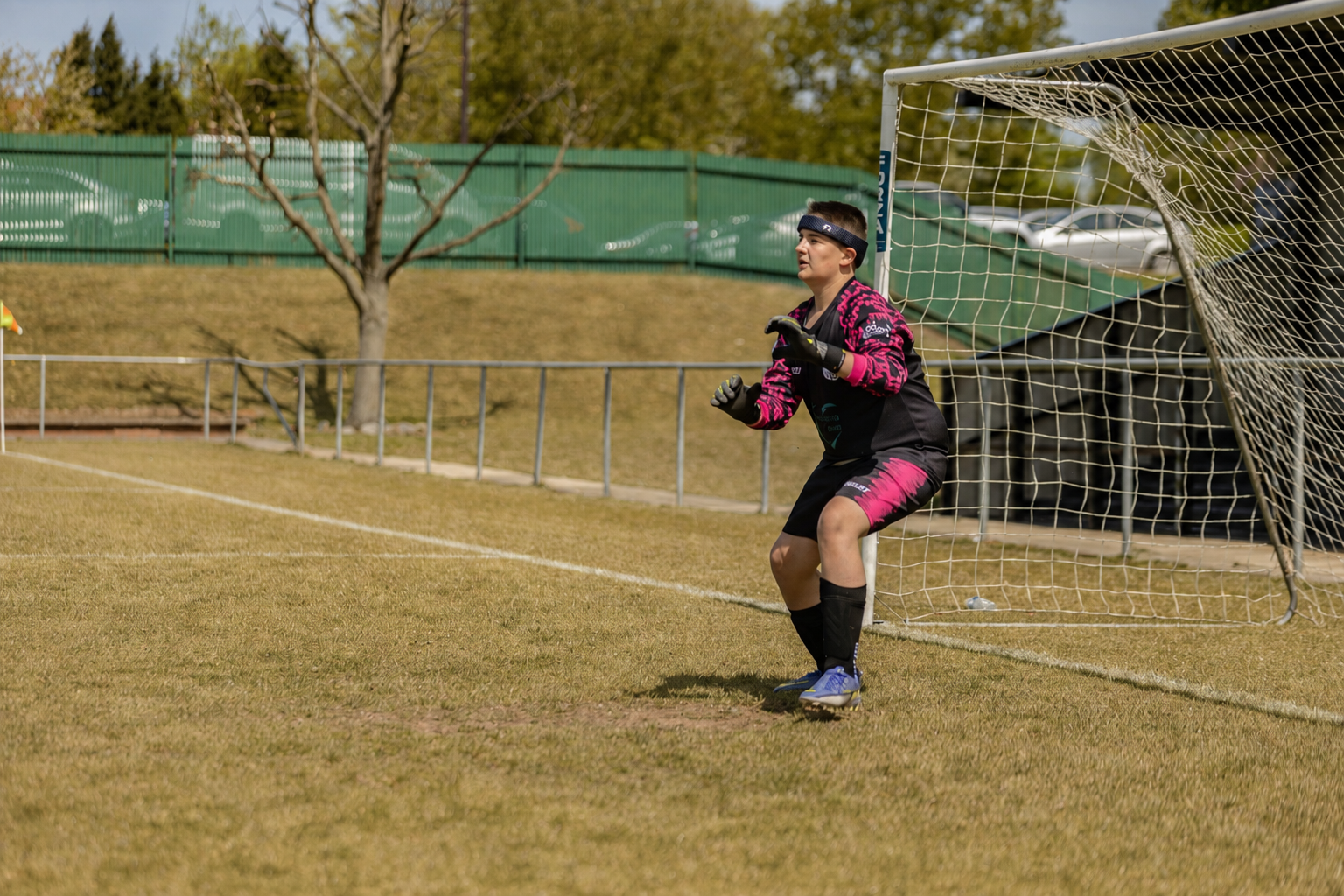
- Heading a ball in football
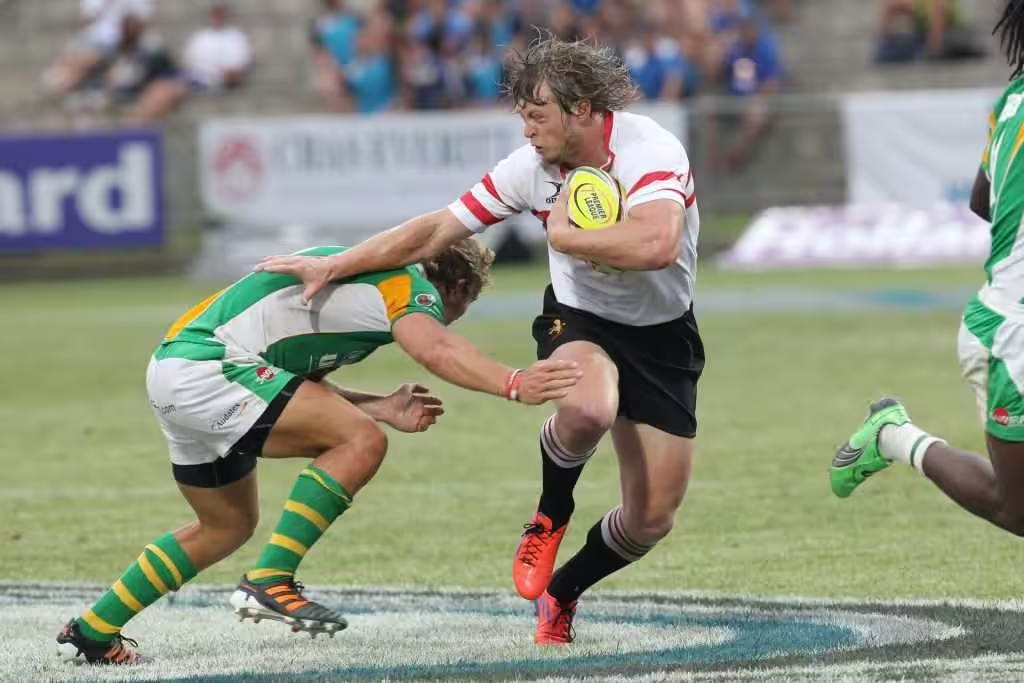
- Head to shoulder or hip in rugby
- Falling onto a surfboard
While each sub-concussion may not cause enough damage to reach the threshold of noticeable concussion symptoms, it is the repetition of them that compounds over time, and triggers CTE.
Diagnosing sub-concussions
Sub-concussion is not diagnosed in a clinical setting or at pitch side, given the inability to yet diagnose real-time sub-concussion with reliable testing. But sub-concussive injury is detectable.
Standard brain imaging scans (like CT in A&E departments) cannot show such small changes like sub-concussions.
More sophisticated brain imaging like Diffusion Tensor Imaging (DTI) can identify the subtle changes in the brain from sub-concussive impacts.
Functional Magnetic Resonance Imaging (fMRI) can show the activity of different brain areas during thinking and memory tasks. Studies have shown that athletes with more sub-concussive impacts have less brain activity than athletes with fewer impacts.
fMRIs are a more sophisticated form of brain imaging than MRIs. While MRIs show only the structure of the brain, fMRIs record metabolic activities over time and tell us how the brain operates.
Instrumented mouthguards and impact sensor technologies can detect and count where smaller impact forces have been received to the head, with likely sub-concussive injury incurred. Over the last ten years, researchers have been using helmet-mounted accelerometer devices and instrumented mouthguards to understand how sub-concussive impacts add up to brain damage. This information can be used to compare with other athletes who take fewer impacts, or those in sports with few head contacts e.g., rowing.
However, players are not yet removed from training or play based on sub-concussions received due to lack of awareness. No safe threshold for sub-concussions has been proven, and no return to play guidelines reference sub-concussions.
Why sub-concussions are dangerous
Repeated sub-concussions affect brain cells and connections in the brain, damage the blood-brain barrier and create inflammation in the brain. This means memory and attention is impaired, with mood and behaviour problems.
The analysis from the helmet-mounted accelerometer devices and instrumented mouthguards is clear that sub-concussive injuries are frequent to the brain.
Sub-concussions and CTE
The risk and severity of CTE is not caused primarily by single big-hit concussions, but by multiple smaller sub-concussive blows to the head and body. Failure to grasp this critical discovery is too common, and presents a huge issue in understanding how to tackle CTE.
Dr Emer MacSweeney – CTE: The silent killer in contact sports | TEDxAthens

CTE is a progressive, neurodegenerative disease that leads to early onset dementia. It is debilitating and life-changing for those affected and their families and friends.
Typically, CTE occurs in players in their 30s-50s, but can occur in teenagers. Initially, symptoms are of mild forgetfulness, low mood, quick progression to anger and slowing of thought process – all of which gradually progress to loss of independence and dementia.
The risk and severity of CTE is caused primarily by sub-concussive impacts, and not by concussions. 20% of people with CTE diagnosed after life were recorded as never having sustained a single concussion.
Every athlete, parent, fan, those with a legal duty of care as a coach and in schools needs to appreciate that while sub-concussive injuries are “hidden in plain sight”, they really are serious.
Sub-concussions create brain damage that lowers IQ in every player and can trigger life-changing, longer-term neurodegenerative consequences.
With so much focus on concussion in sport, it’s important to know that repetitive sub-concussions are the more frequent brain injury and cause of CTE. That is why Rezon is focused on reducing the rotational forces of sub-concussive impacts, and protecting the brain.
1. Concussive Head Impact Biomechanics in Women’s Lacrosse and Soccer Athletes: A Case Series, Sayre H.D. et al, 2019.
Author: Judith McMinn