
The FA has denied a proven link between heading, repeated head impacts and long-term brain damage. But “no proof” is not a player welfare strategy. The science now points to cumulative exposure, rotational forces and prevention.
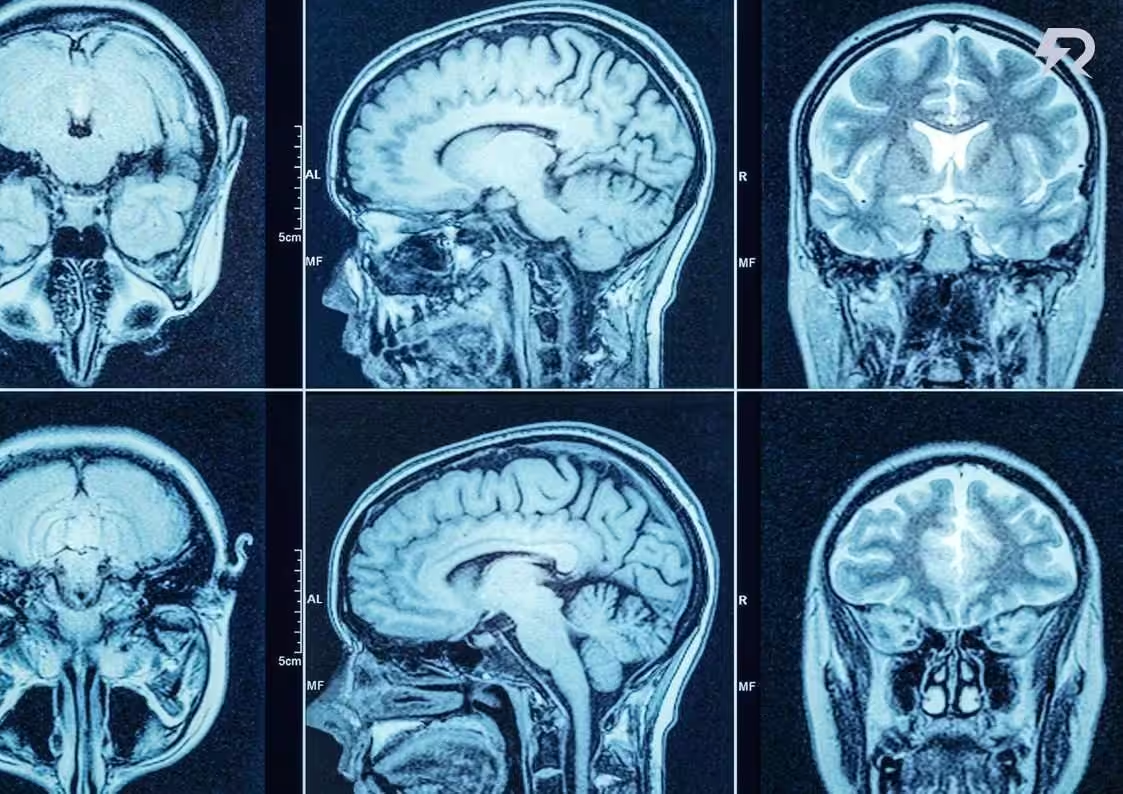
Sport is still focused on concussion when the bigger threat is cumulative brain injury. Why head protection is not the same as brain protection.

What the Wake Forest study revealed about brain changes in children after a single season of sport; why sub-concussive impacts matter; and how parents can better protect a child’s brain.

Shane Christie’s confirmed high-stage CTE should change how New Zealand rugby thinks about youth exposure, rotational force, sub-concussions and the rugby headguard debate.

A new insurance warning in elite sport should trigger a wider rethink of head protection. Judith McMinn argues that sport must move beyond post-injury management and take brain protection seriously.

Learn how to reduce concussion risk in sport with practical protection strategies, including concussion protocol, sub-concussion awareness, safer training, and Rezon Halos®.
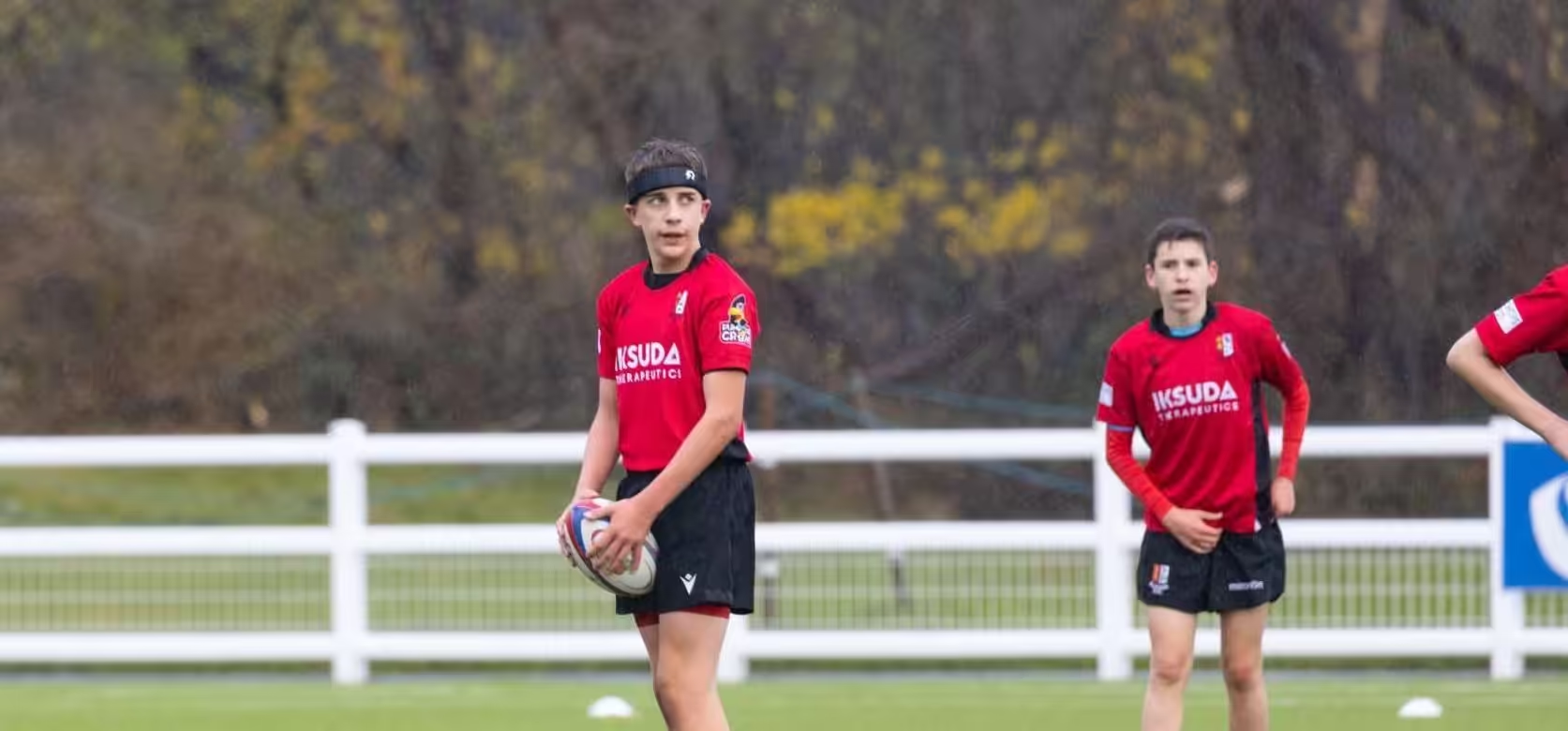
A growing body of neuropathological evidence shows that CTE, caused by repetitive head impacts, is associated with changes in mood, behaviour, emotional regulation and impulse control; all factors known to increase vulnerability to suicide.

A growing body of neuropathological evidence shows that CTE, caused by repetitive head impacts, is associated with changes in mood, behaviour, emotional regulation and impulse control; all factors known to increase vulnerability to suicide.
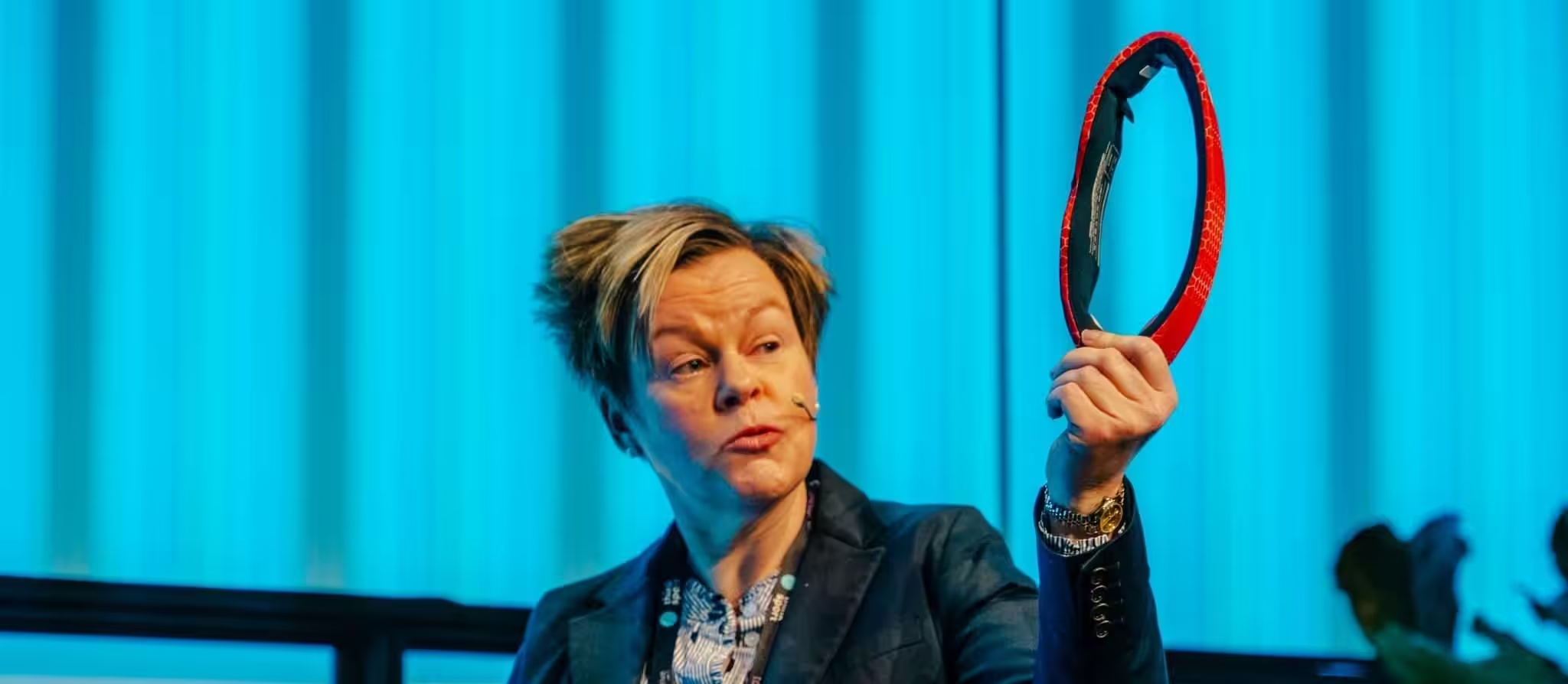
According to McKinsey Health Institute, the future of economic growth depends on human capabilities that machines cannot easily replicate: complex decision-making, adaptability, emotional regulation, creativity, and learning agility. In short, brain health and brain performance are becoming the defining competitive advantage of nations, organisations, and individuals.
Pound sterling (£) - GBP

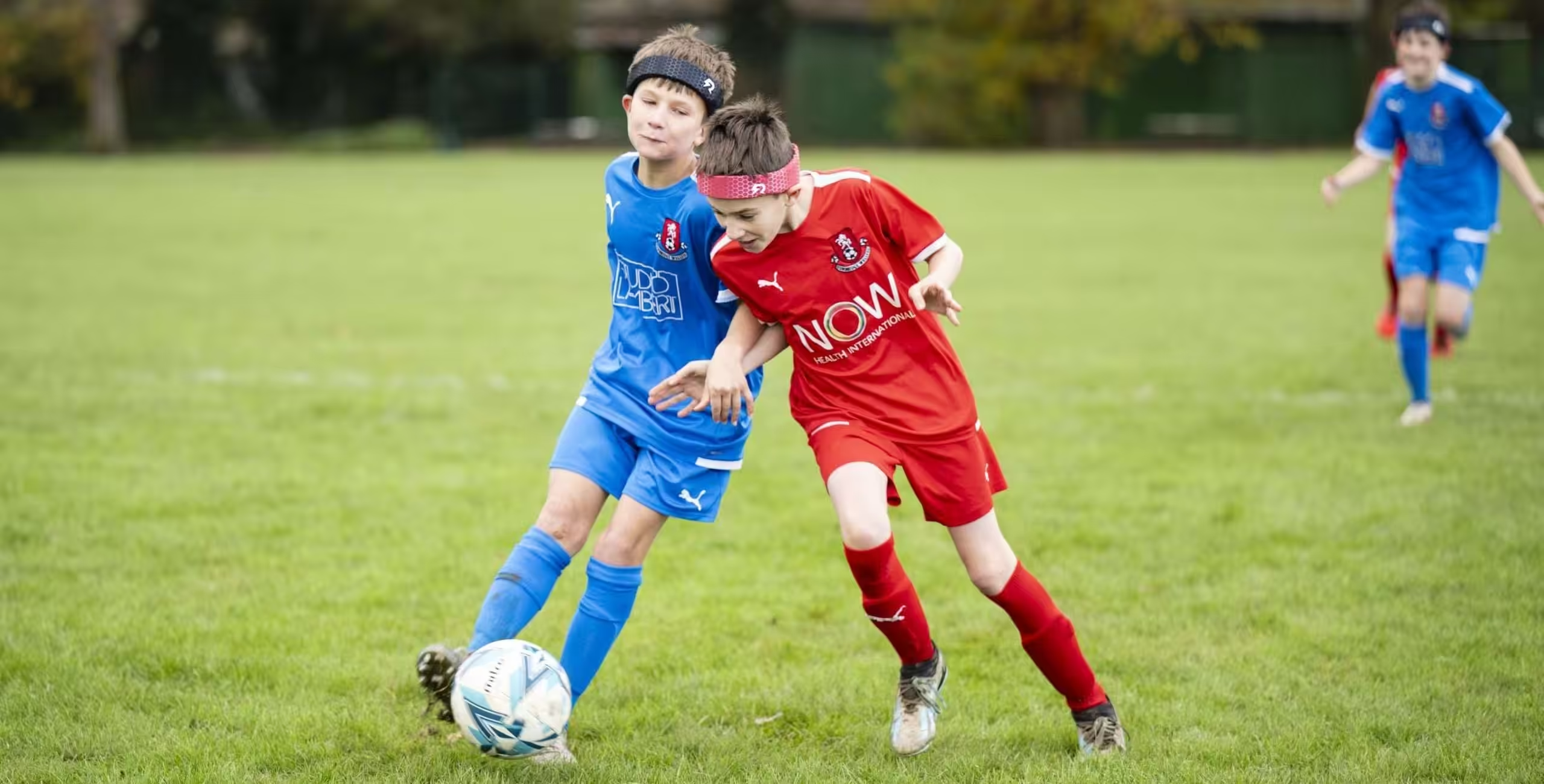


Rezon
Help & Information
Shop
Shop
Be the first to know
Sign up for insights, news, new arrivals and exclusive offers to your inbox.









© 2026 Rezon Ltd - The Greenhouse Business Centre, Greencroft Industrial Park, Stanley, County Durham, DH9 7XN, United Kingdom - Company No: 13433459 - VAT No: 387590249 - ICO No: 00018248433 - Privacy Policy - Sitemap - Built by HAVY