


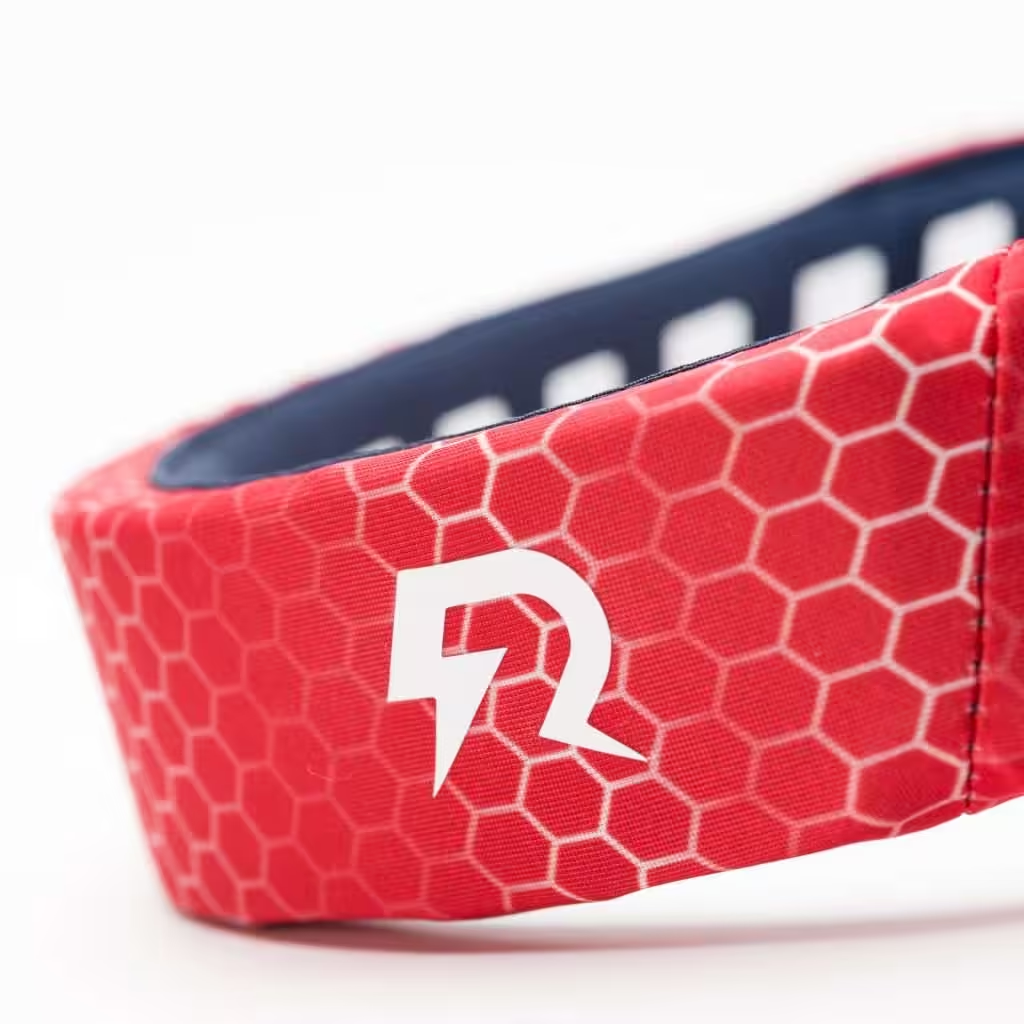
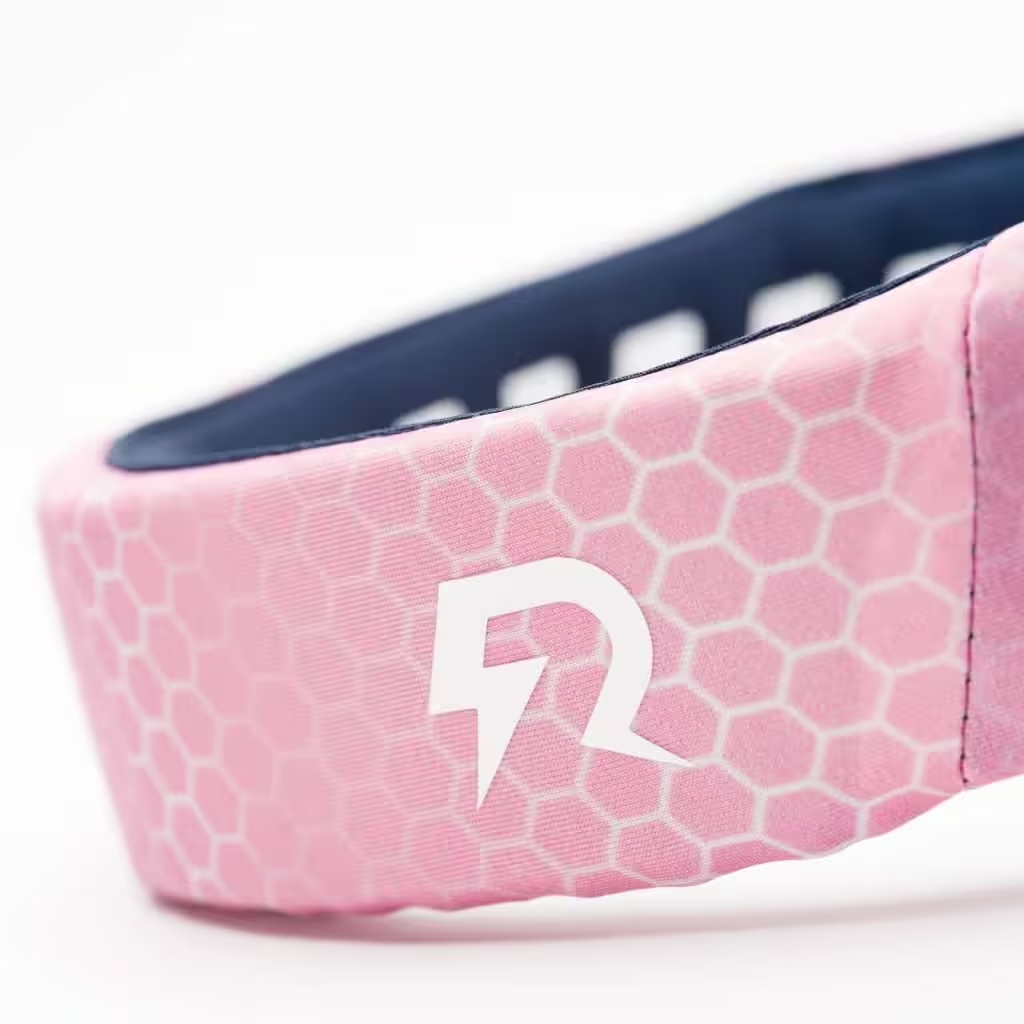
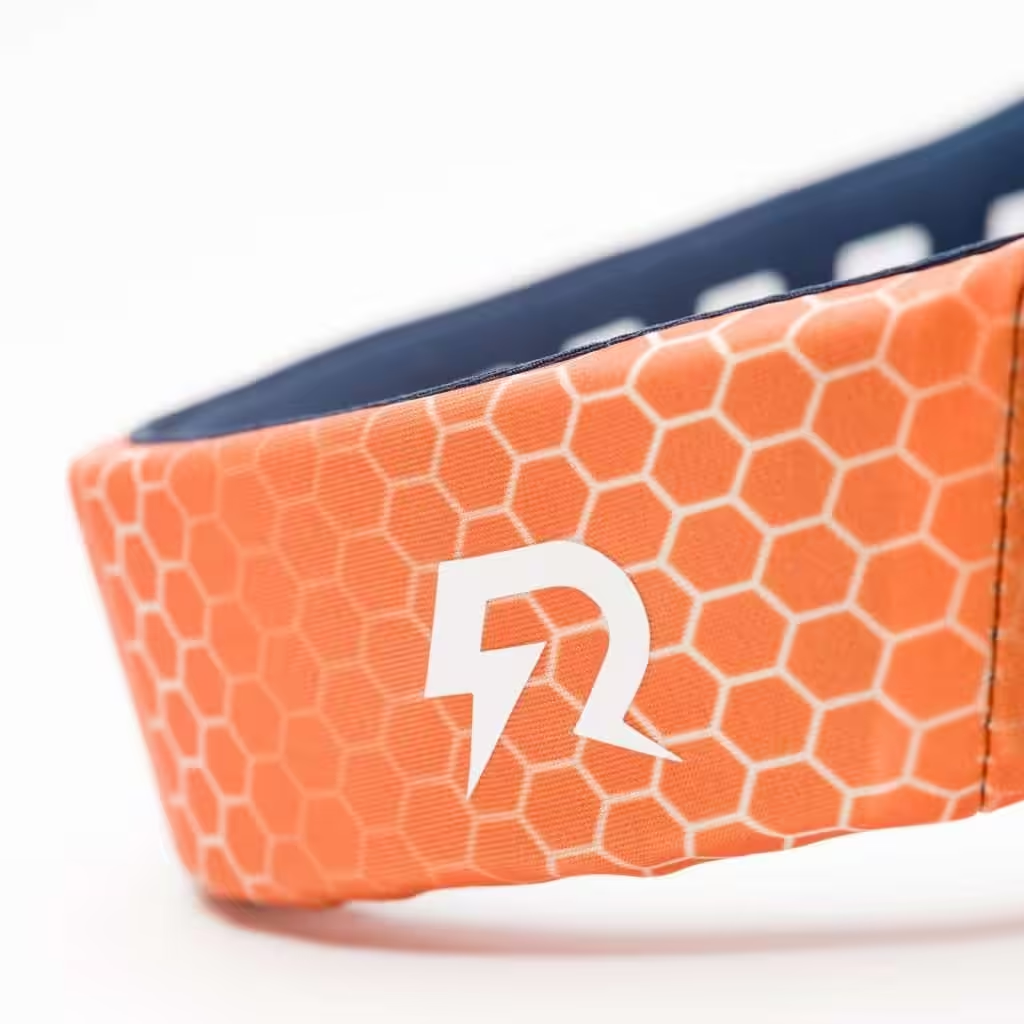
Rezon Halos®: Protecting Your Brain in Rugby
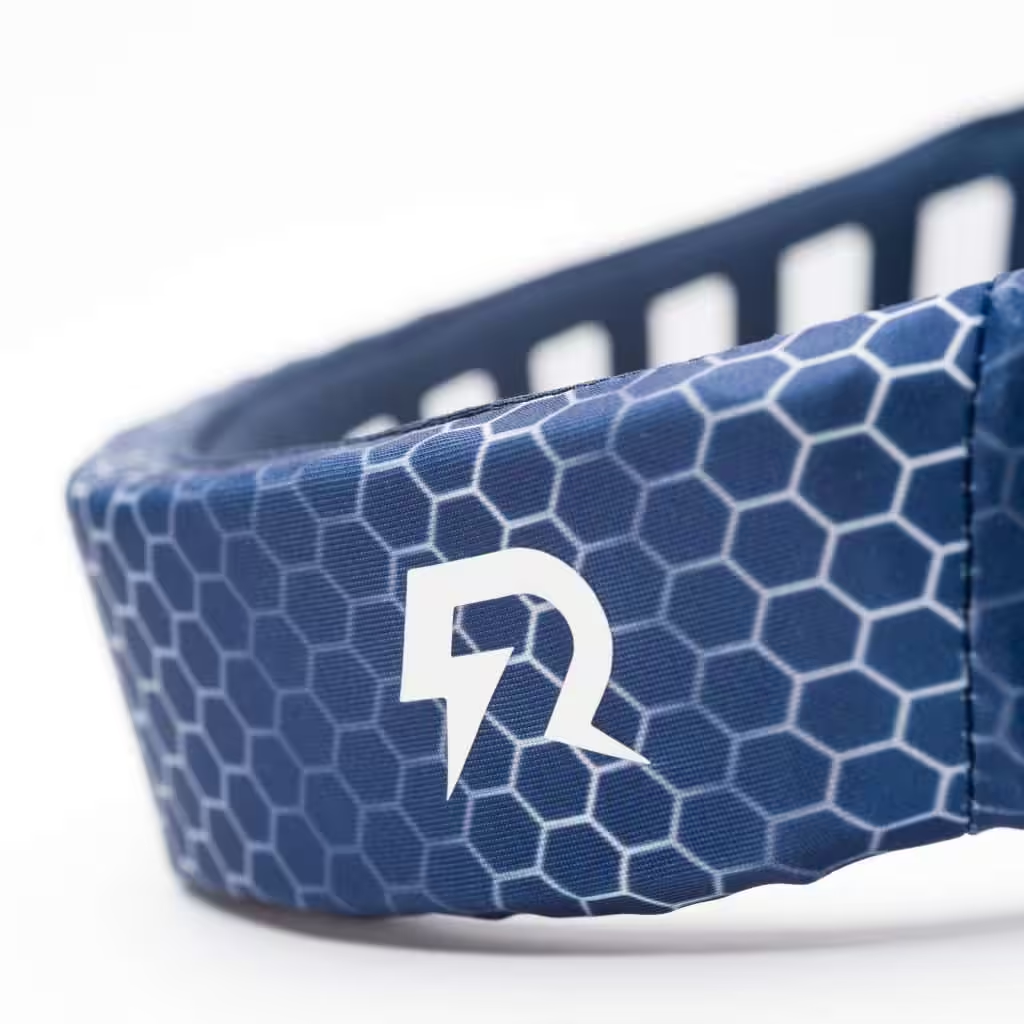
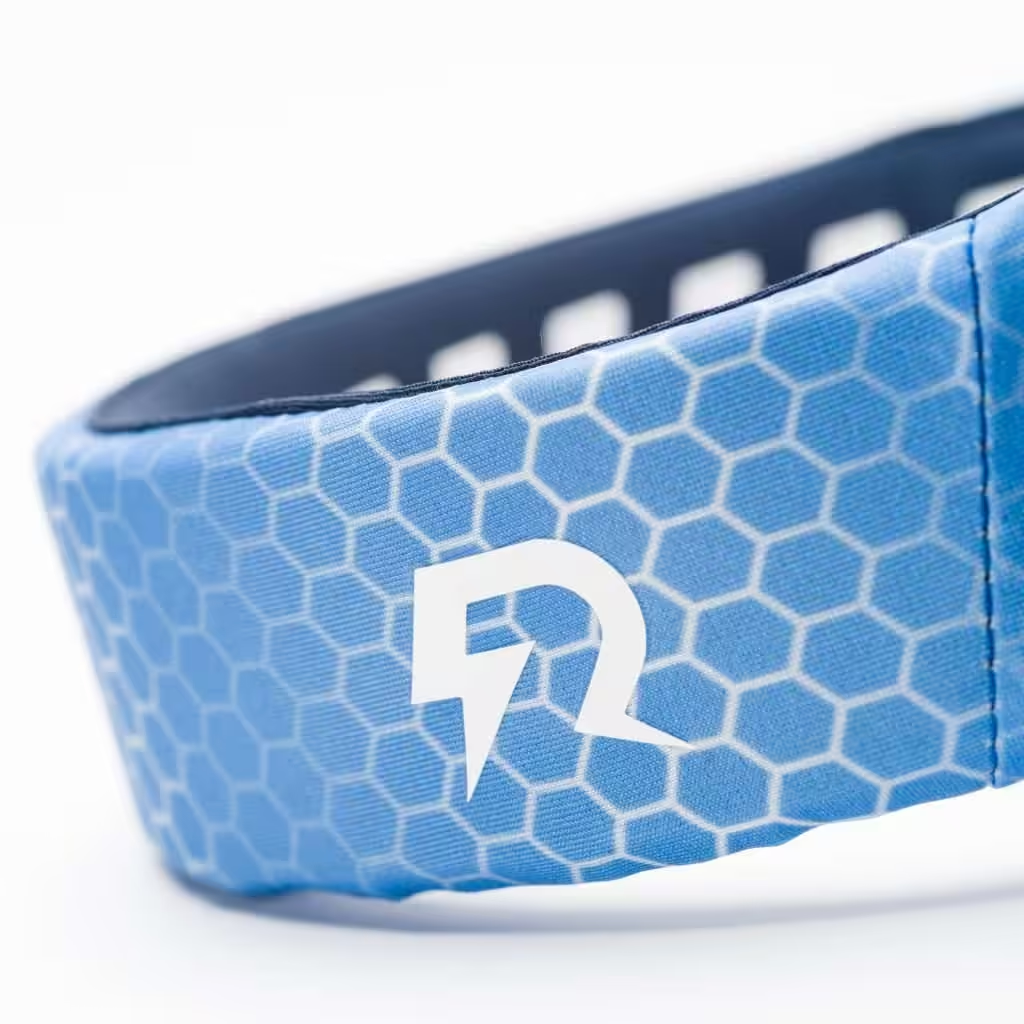
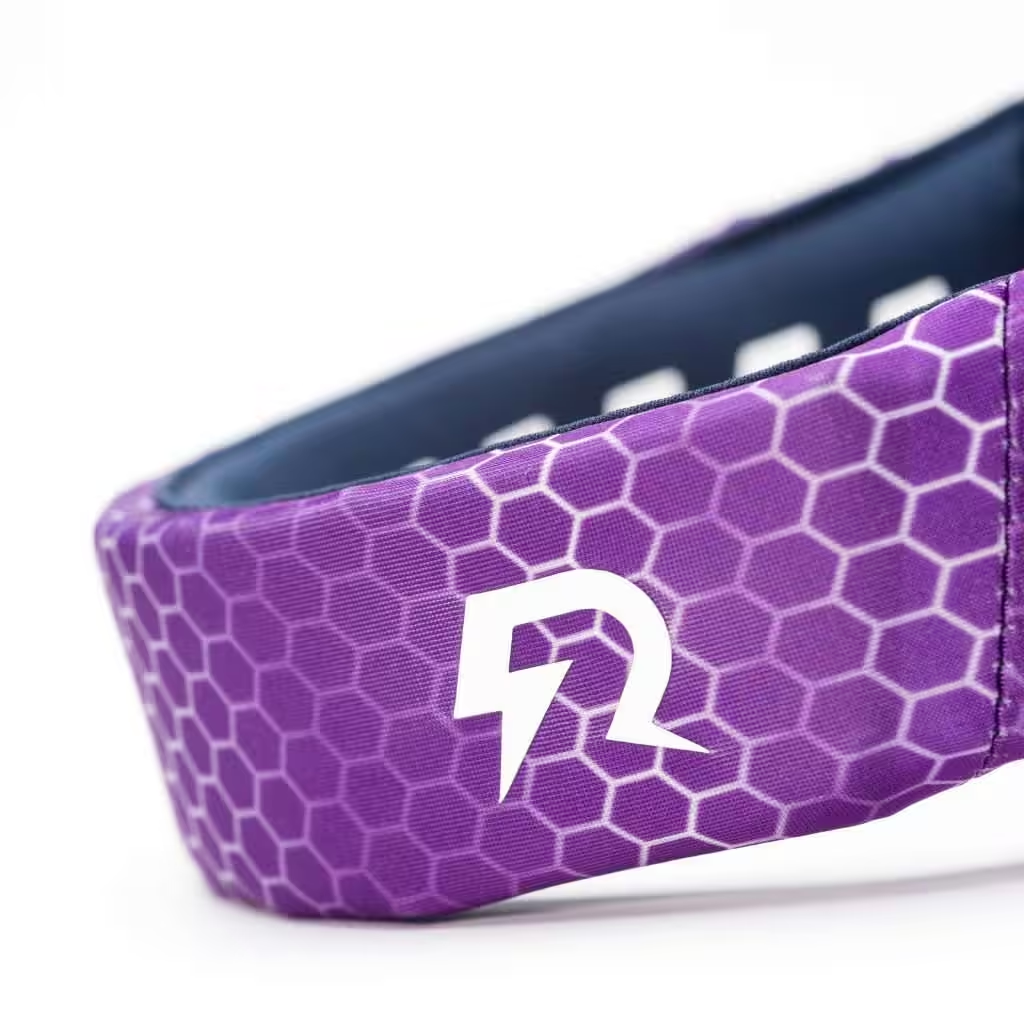
Halos® is a groundbreaking rugby headguard that protects the brain. It’s the only head protection of its kind that is designed to reduce your risk of concussion and developing Chronic Traumatic Encephalopathy (CTE) from the accumulated damage of sub-concussions.
Why Halos®?
- Reduces concussion risk by 74%*
- Reduces rotational force to the brain by up to 61%, and linear force by up to 64%*
- Internationally recognised Virginia Tech 5 star safety rating
- CE/UKCA Category II PPE-certified
- Sleek, lightweight, flexible and hypoallergenic
- Water and tear-resistant
- Machine washable
*based on independent testing
As seen in







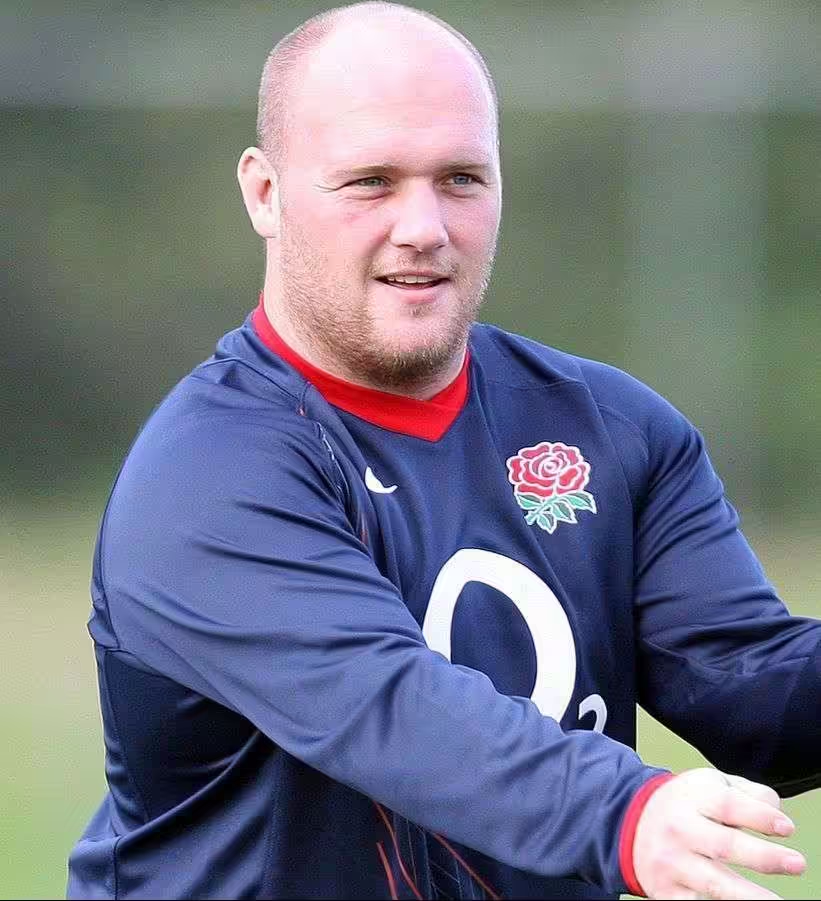
“Having CTE and knowing lots of small-force sub-concussions caused it. I’m determined my boys protect their brain and wear Rezon Halos® to protect them!”
Jason Hobson, former England Rugby Union player

Why Halos® is different.
Rezon Halos® is the only non-helmeted head worn protection to hold both CE / UKCA Category II PPE certification and a Virginia Tech 5 Star safety rating.
Conventional headgear in sport is designed to only protect from surface injury, cuts and abrasions. Halos® is different, it is brain protection.
Halos® is engineered to protect your brain by reducing the transmission of rotational forces in sub-concussive and concussive impacts. By lowering exposure to these forces, Halos® is focused on reducing neuro-inflammation and lessening the risk of triggering longer-term neuro-degenerative consequences, including CTE, motor neurone disease, and Parkinson’s disease.
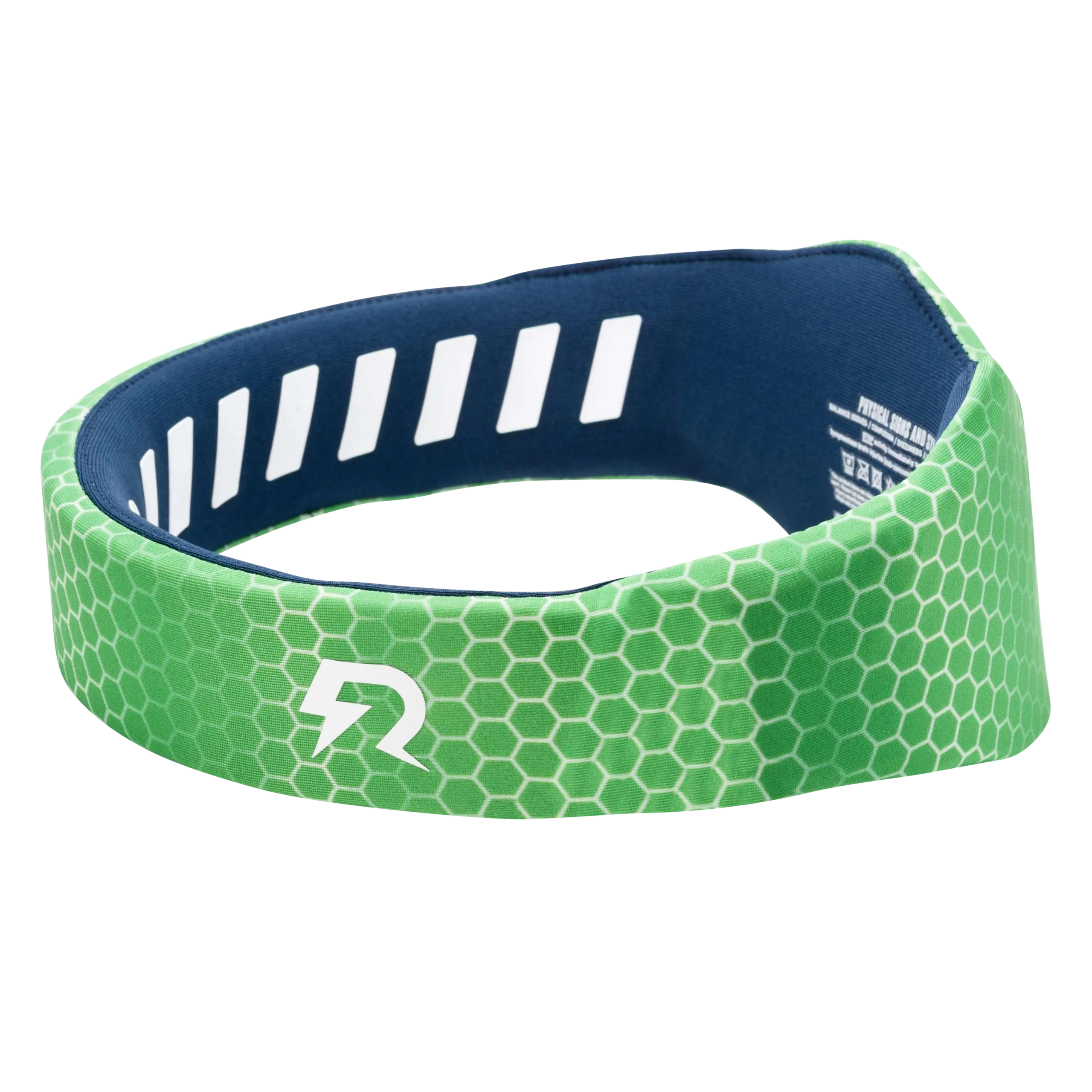
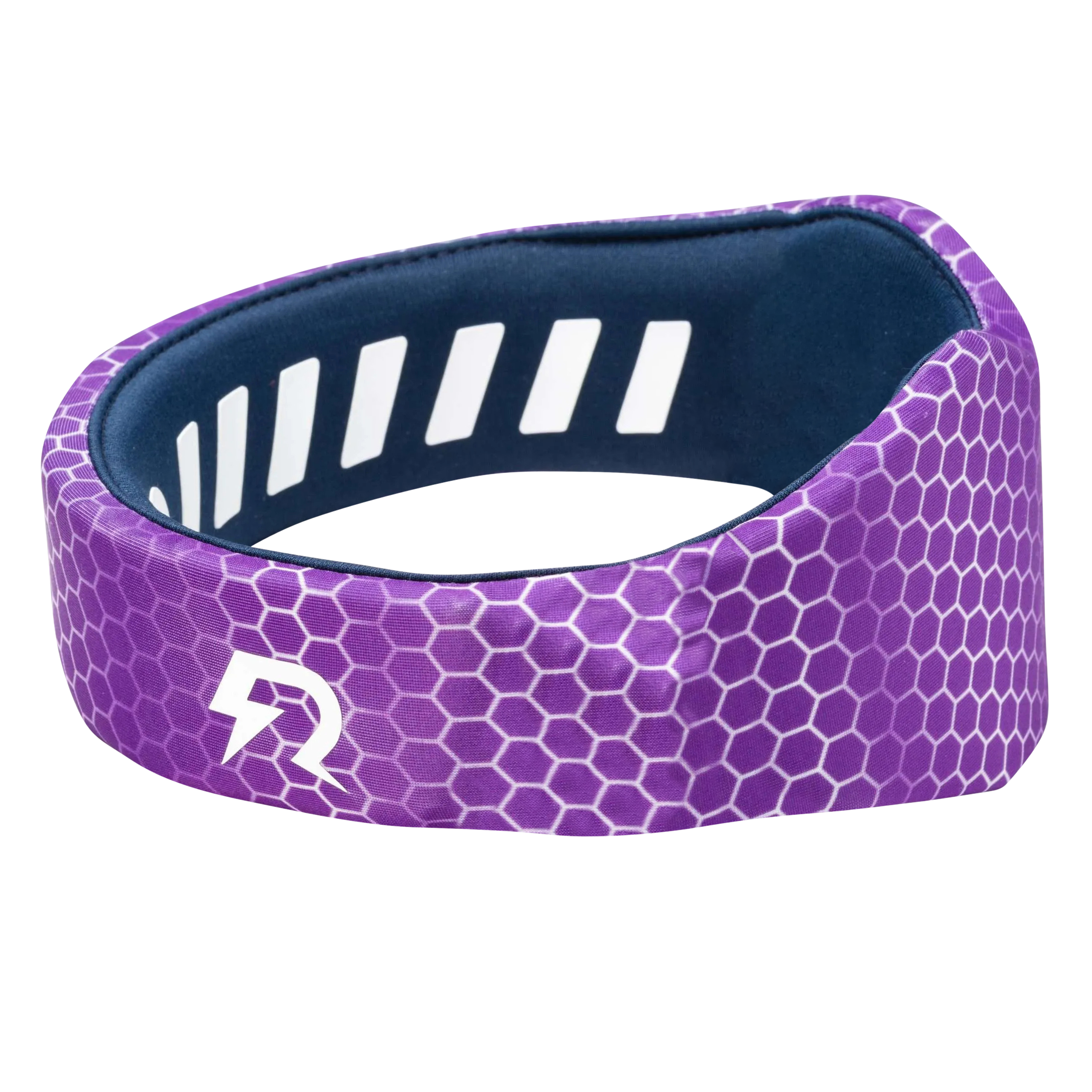
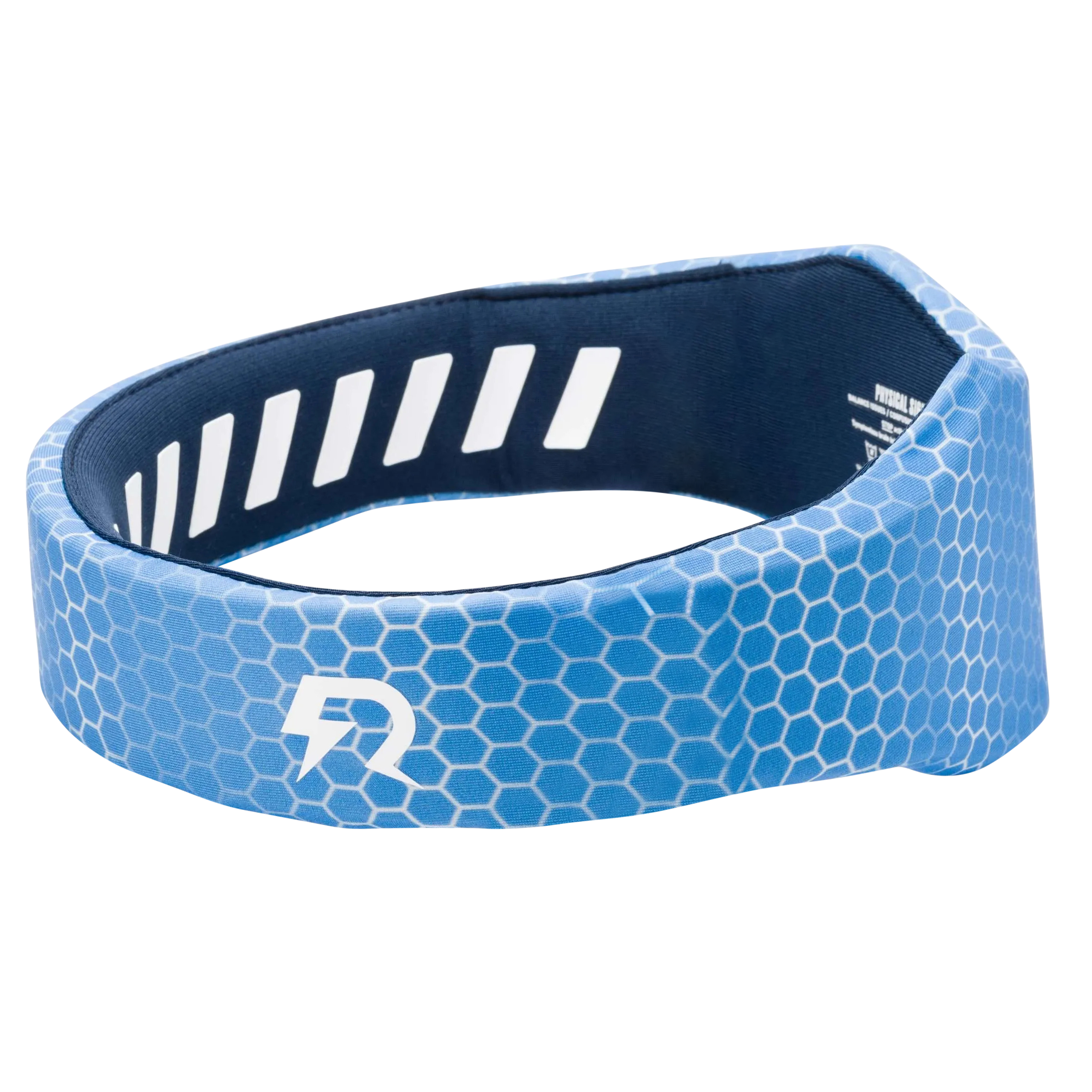
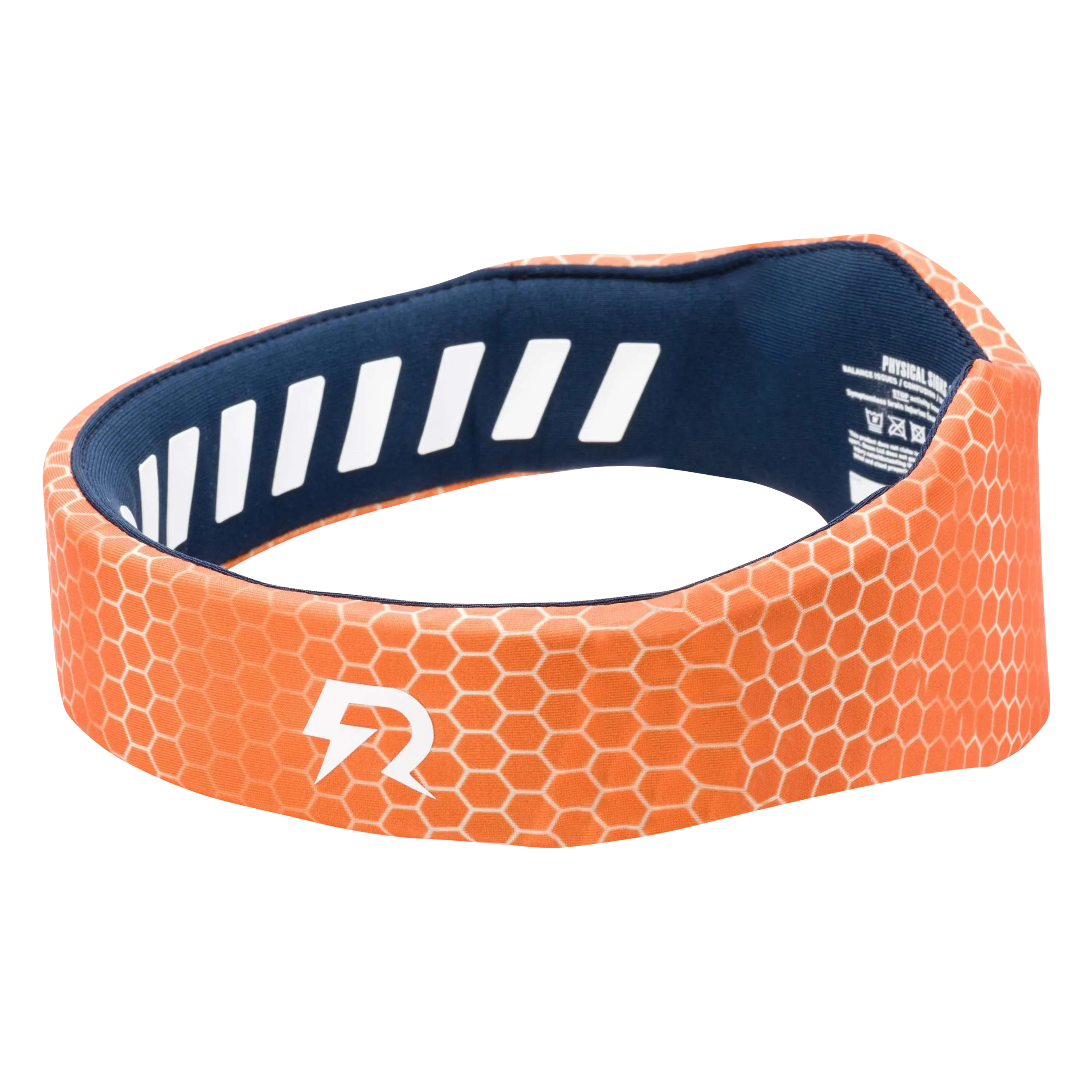
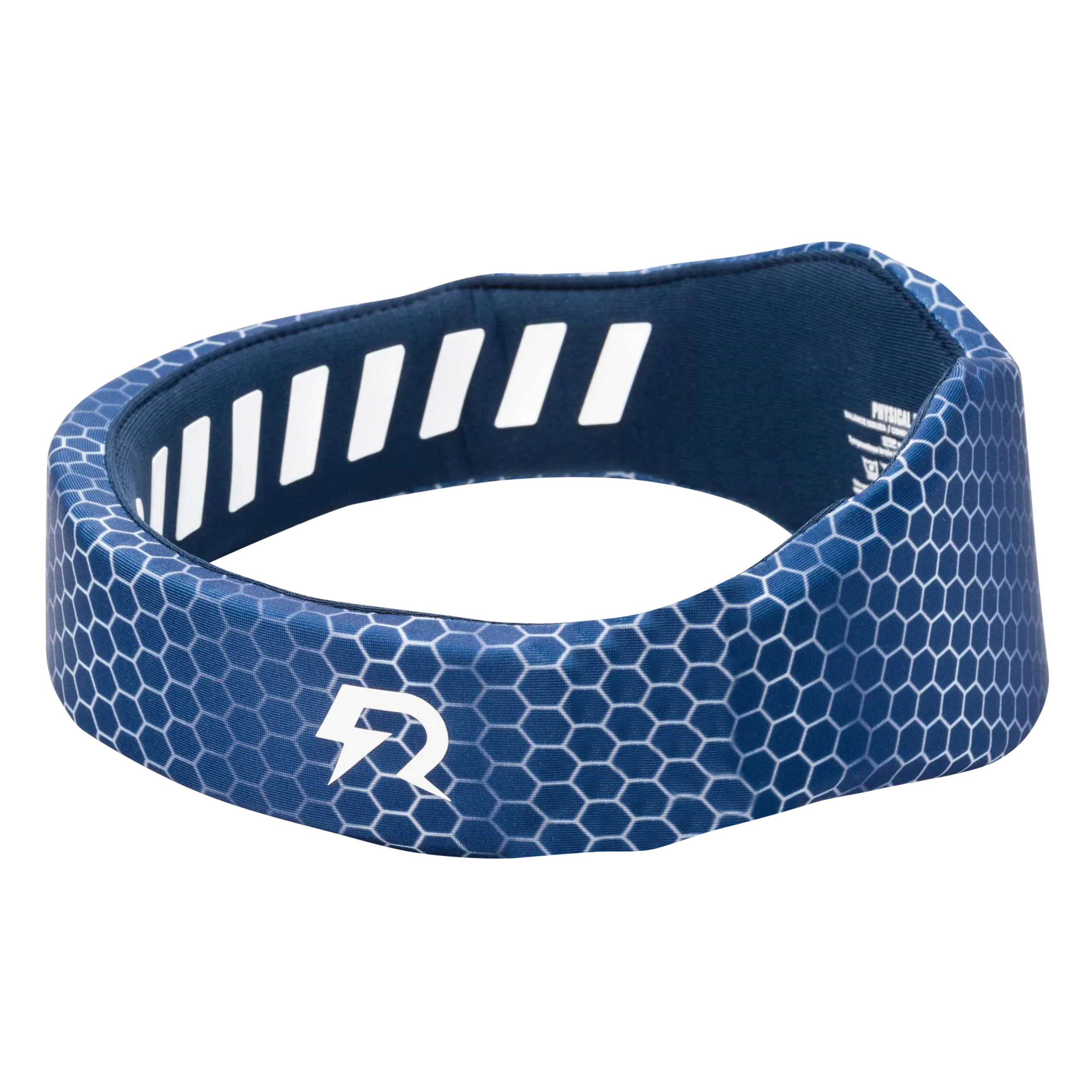

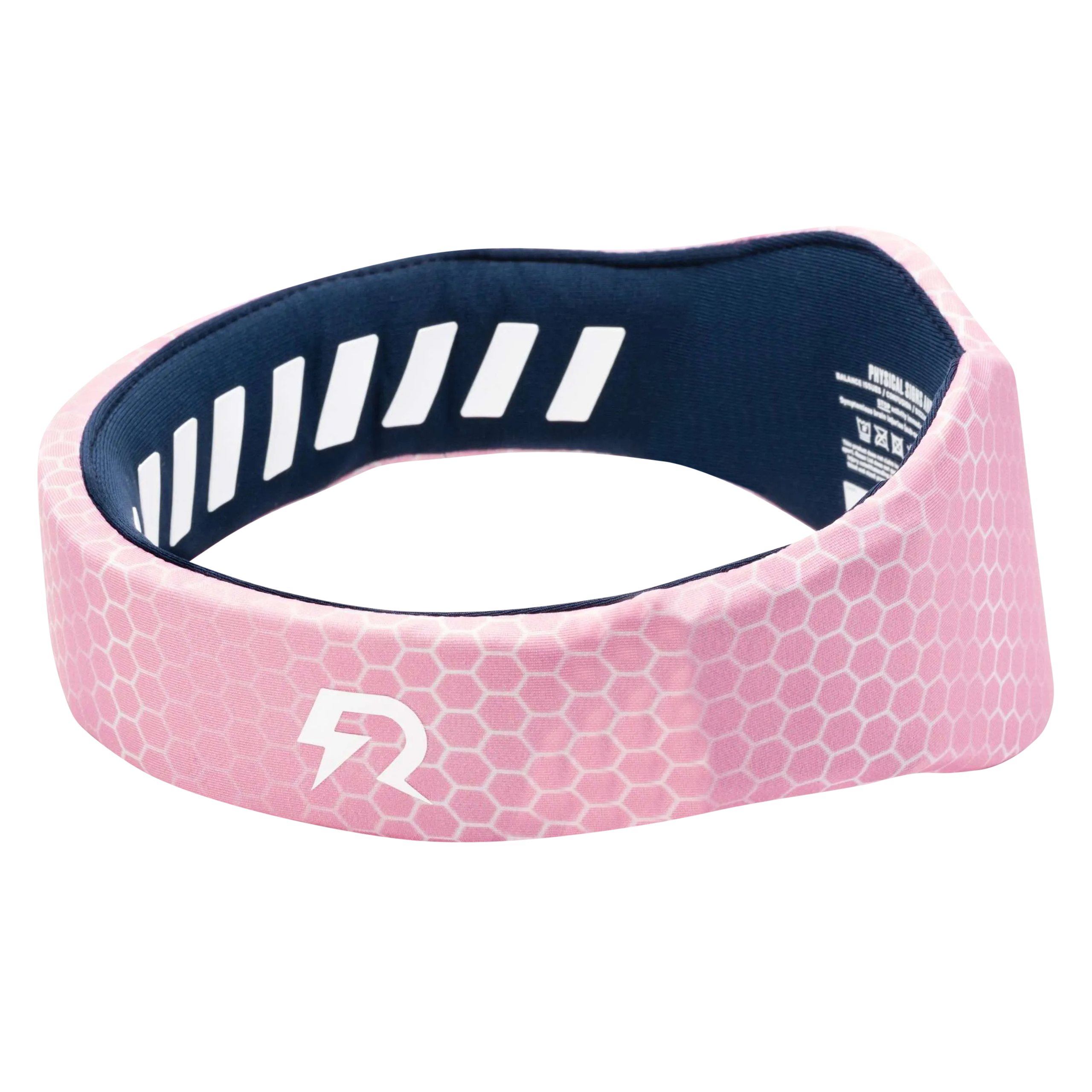
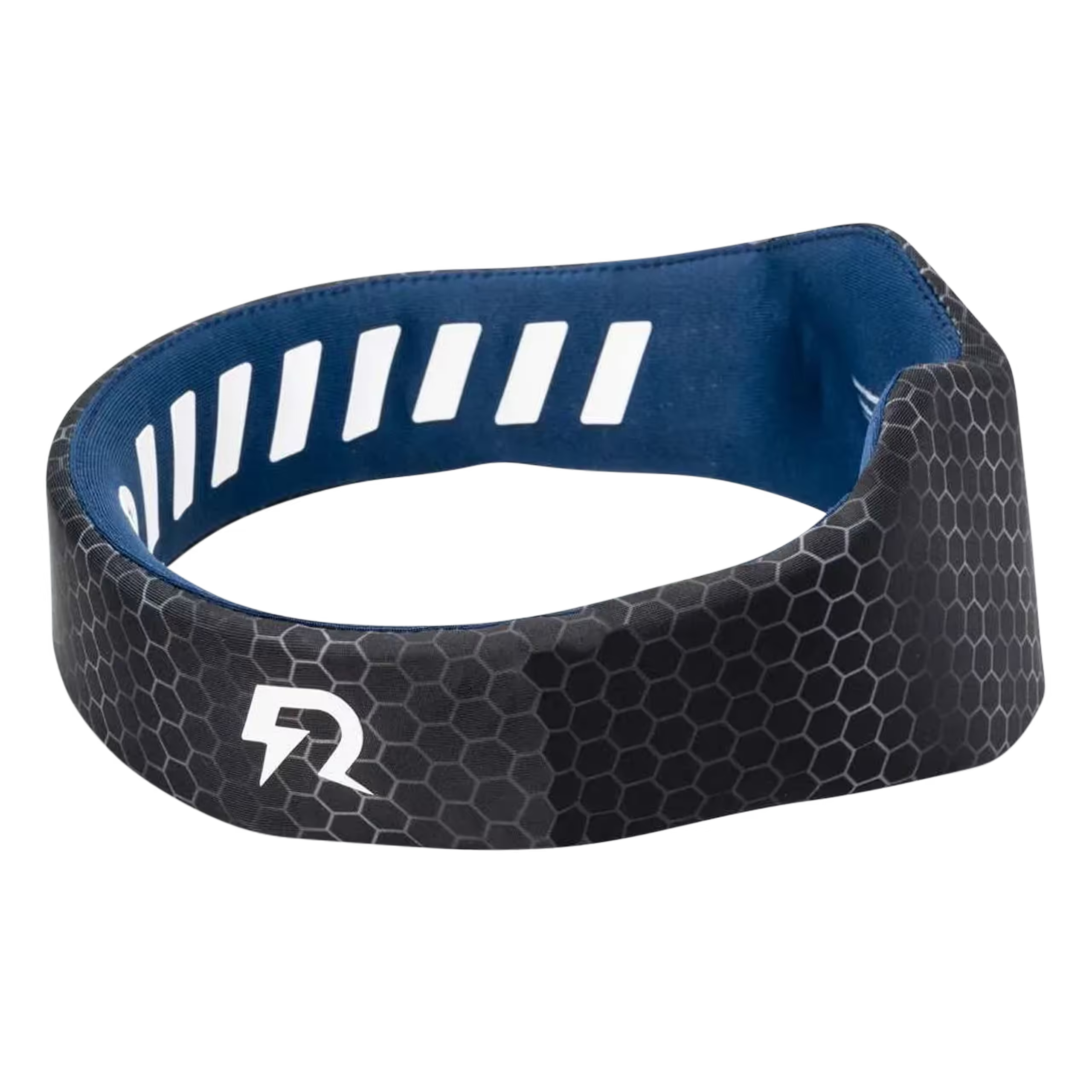
Rugby head protection for kids
Parents choosing a rugby head guard for kids should understand the difference between a conventional padded scrum cap and brain protection designed to reduce rotational-force transmission. Rezon Halos® is lightweight, CE and UKCA Category II PPE certified, and independently tested using Virginia Tech methodology.
Comparison of Rugby Headguards
| Protective Capability | Rezon Halos® | N-Pro | Hedkayse | Canterbury Ventilator | Gilbert Headguards |
|---|---|---|---|---|---|
| Brain protection designed to reduce injury risk | Yes | No | No | No | No |
| Qualified rotational force reduction | Yes (up to 61%) * | Yes (~34%) | No | No | No |
| CE / UKCA Category II PPE certified | Yes | Yes | No | No | No |
| Virginia Tech Helmet Lab Rating | ★★★★★ | Not publicly declared | Not publicly declared | Not publicly declared | Not publicly declared |
| Product Design | Patented Rotection® technology | Viscoelastic foam | Amnesic foam | Foam padding | Foam padding |
| Product Weight | 70g | 190g | 220g | 130g | ~150g |
| Product Thickness | 9.5mm | 13mm | 11mm | 10mm | 10mm |
Most rugby headguards rely on foam padding to cushion the scalp.
Rezon Halos® instead uses a multi-layer kinetic energy dissipation system designed specifically to reduce rotational forces transmitted to the brain.
Why do you protect your shins and teeth, but not your brain?
Every head impact creates rotational forces to the brain.
This is associated with the tearing of tiny blood vessels and brain cells; and over time, in the breakdown of the protective blood-brain barrier and the creation of damaging neuro-inflammation. This increases the risk of longer-term neurodegenerative consequences, including Chronic Traumatic Encephalopathy (CTE).
CTE is an early onset-dementia that typically occurs in ages 30-50 but can occur in teenagers and is a condition almost unique to contact and collision sports players.
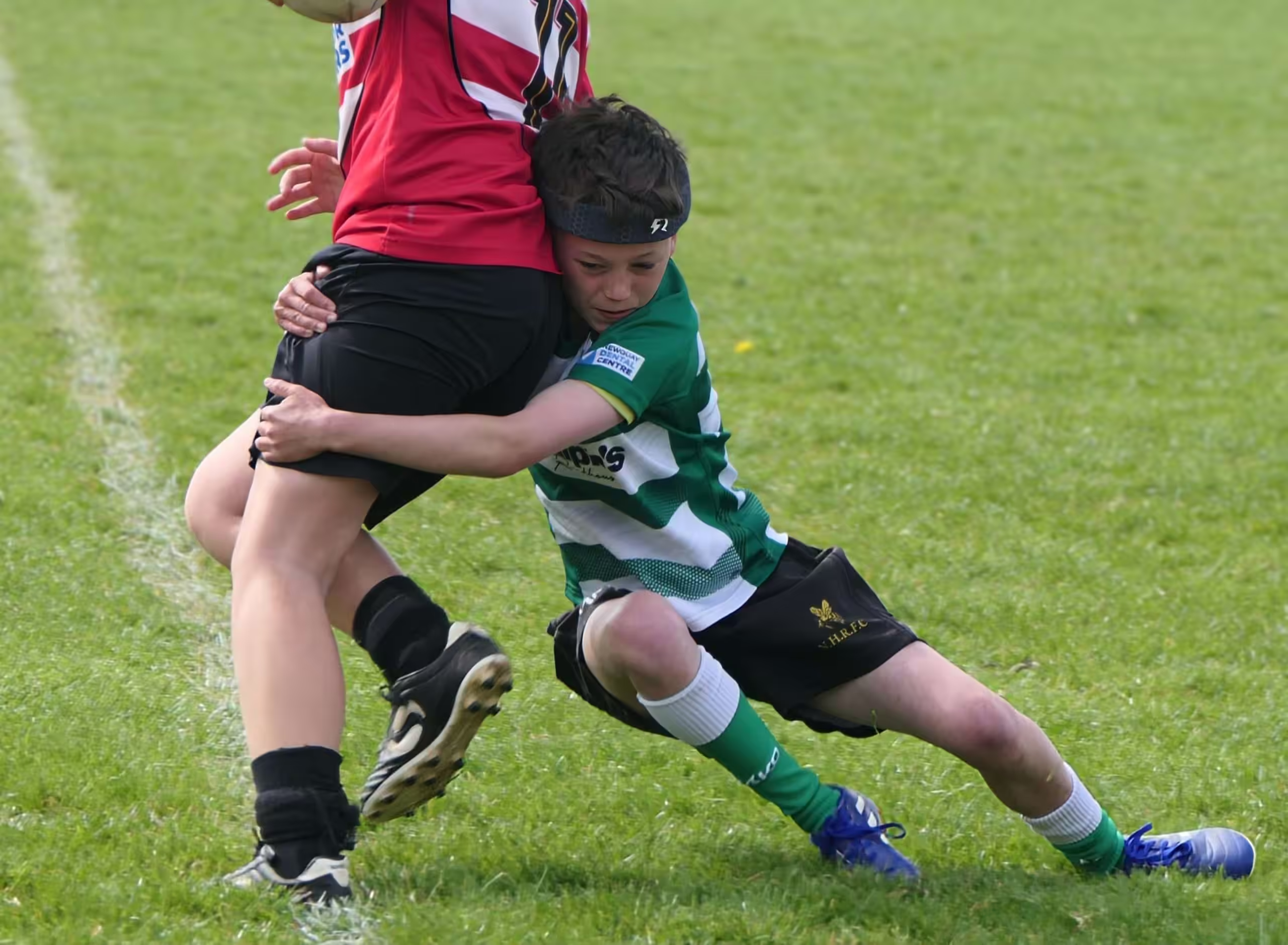
The Brain is Vulnerable
In sports, the brain is vulnerable to rotational forces from both concussions and sub-concussions.
Sub-concussions are small force impacts that damage brain cell function, but do not produce evident signs or symptoms of concussion – so they go unnoticed. Sub-concussions are over 500 times more common than concussions in sport.
Repeated sub-concussions impact memory and attention, suppress brain function, and contribute to later life mood and behaviour problems including CTE. The risk and severity of CTE is caused primarily by the cumulative damage of multiple sub-concussive impacts, and not by concussions.
How does Halos® protect the brain?
Halos® protects your brain from rotational forces – this is where your brain rotates within your skull on impact, and is a lot more common than you think.
And that’s the biggest issue in brain injury: the undetected damage of rotational forces from repeated sub-concussions goes unnoticed, yet they’re progressively tearing brain cells and blood vessels, damaging the protective blood-brain barrier, and causing brain inflammation.
Halos® has nine protective layers, wrapped around the most critical areas of your head. On impact, each of these layers move over each other, reducing the transmission of rotational forces to the brain. Also three specific layers deform, further reducing impact energy.
Without wearing a Halos® in sport, your brain is subjected to damaging rotation. Halos® has been proven to reduce rotational forces by up to 61%. That’s a significant reduction for every player at every level, with the intention of reducing the risk of neurodegenerative consequences, which only start to be seen when the damage to the brain is already done.
Award-Winning Brain Protection for All
Rezon Halos® is suitable for use by all ages, players and sports in schools, universities, clubs and leagues.
Halos® gives every athlete the option to protect their brain, with a medically endorsed and legal protection product.



Follow Us on Social
#protectyourperformance