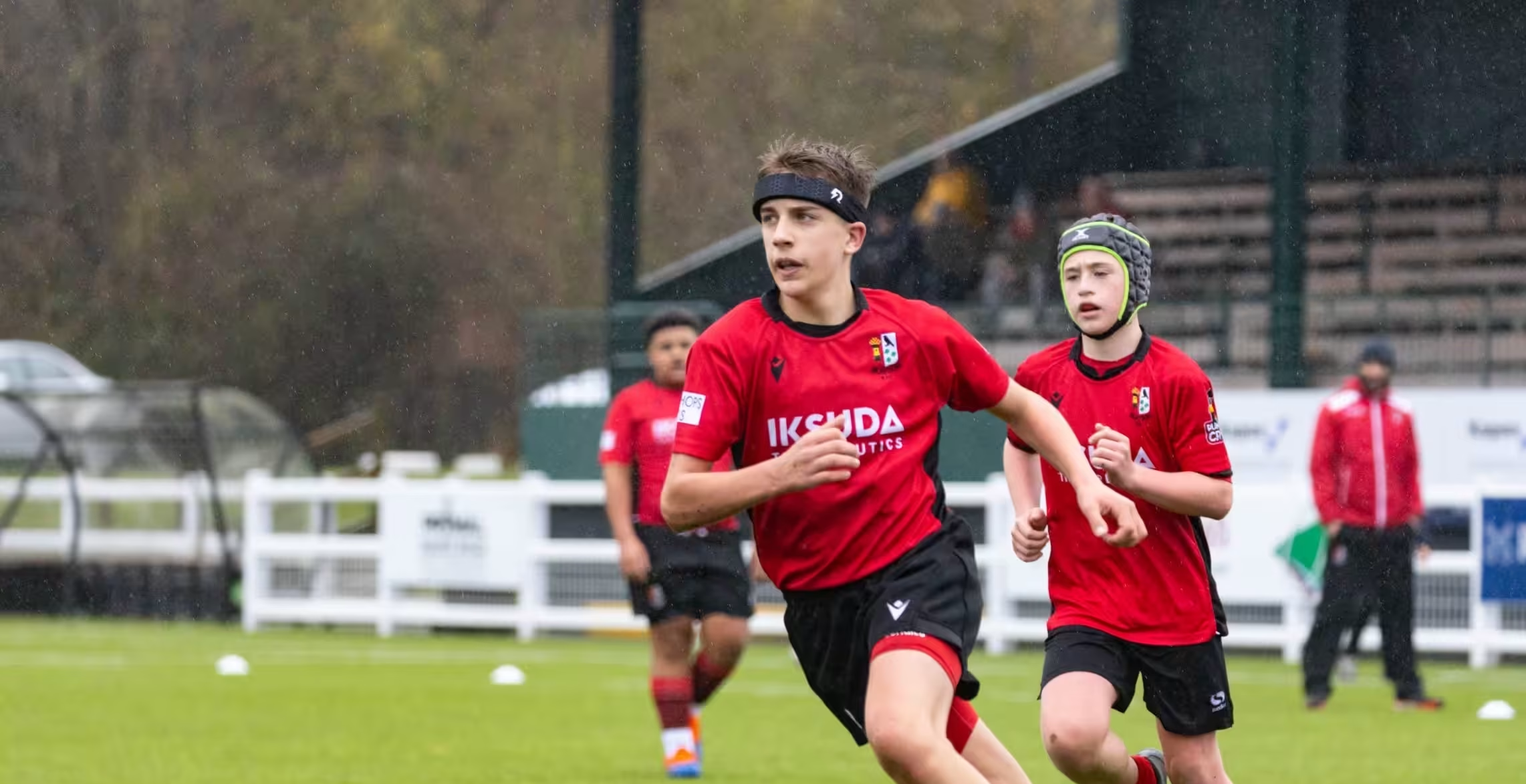
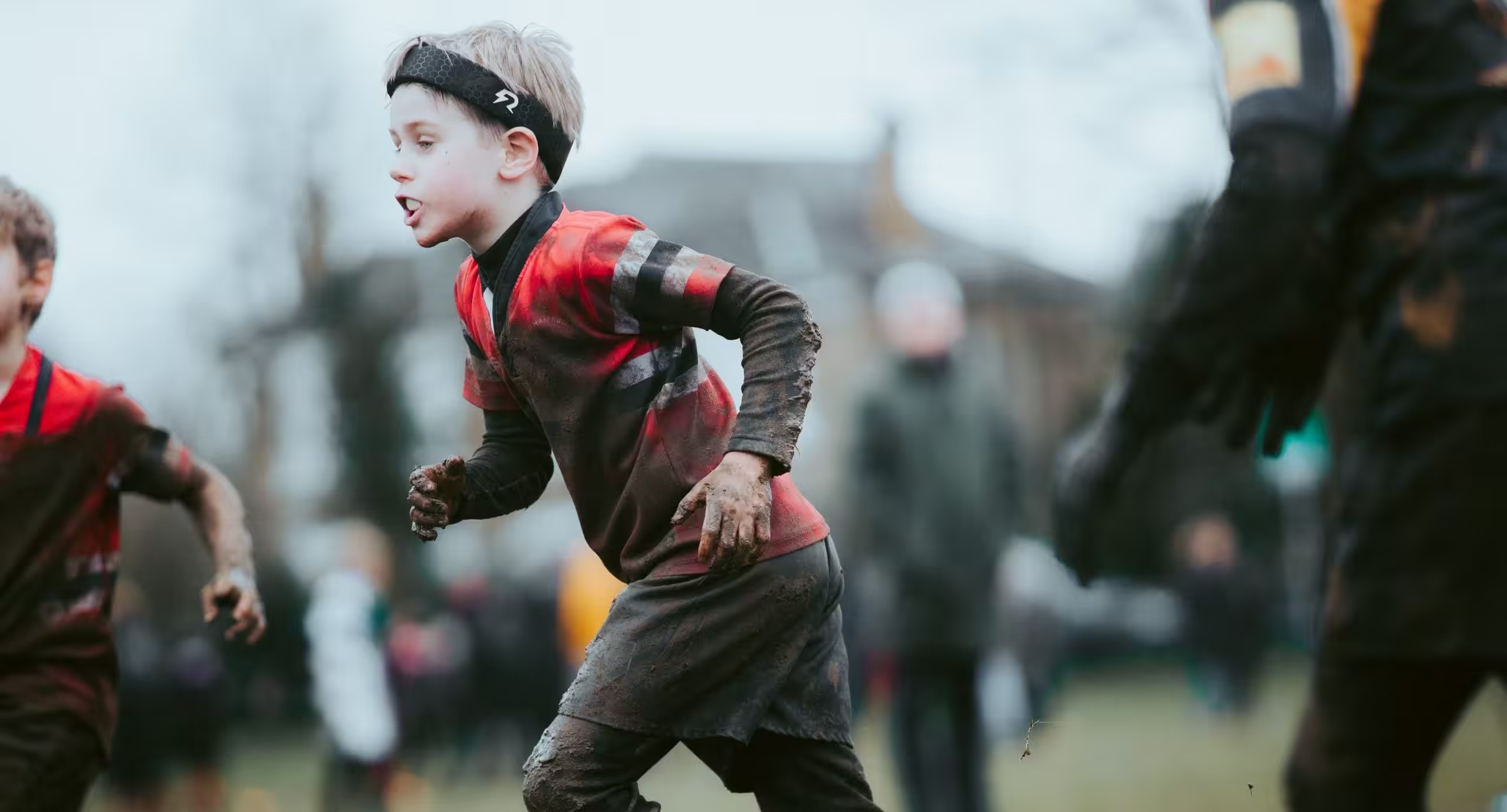
The best head protection for padel is designed to reduce the transmission of rotational forces associated with brain injury during head impacts. Although padel is a non-contact sport, its enclosed courts, rigid glass walls, metal fencing, falls and accidental player collisions create potential risks of concussion and other brain injuries [1, 2].
Rezon Halos® is a lightweight, independently tested protective headband designed to reduce rotational force transmission during head impacts, providing an option for padel players who want to protect their brain on the court [3].
Why Padel Players Need to Think About Head Protection
Padel is a rapidly growing racket sport, combining elements of tennis and squash. Played predominantly in doubles, it involves quick reactions, sudden changes of direction and frequent movement towards the court’s surrounding walls.
But non-contact does not mean there is no risk of head and brain injury.
A systematic review published in BMJ Open Sport & Exercise Medicine examined eight studies involving 2,022 padel players. It found approximately three injuries per 1,000 hours of training and eight injuries per 1,000 matches [2].
The physical characteristics of the sport create several potential head impact hazards.
What Causes Head Injuries in Padel?
There is a wide range of potential causes of head and brain injury in padel:
These risks are not limited to competitive padel. Recreational players of all ages can also experience an unexpected fall or collision.
Are Youth Padel Players at Greater Risk?
Children and young players face increased vulnerability to brain injury because their brains are still developing.
Younger players also have a longer potential lifetime exposure to concussion and sub-concussive impacts. Brain injury risk begins with the first exposure, not when an athlete reaches adulthood. The Rezon Brain Protection Survey, conducted in partnership with the UK’s National Innovation Centre for Ageing, revealed a concerning misconception: respondents incorrectly perceived children as being at lower risk of brain injury in sport than adults [5].
Protecting the developing brain should be a consideration from the earliest stages of participation in sport.
Why Rotational Forces Matter in Padel Head Injuries
When a padel player strikes their head against a glass wall, rigid enclosure, court surface or another player, the impact can cause the head to accelerate, decelerate or rotate suddenly.
Rotational acceleration is especially important because it is associated with tearing of tiny blood vessels and brain cells resulting, over time, in the breakdown of the blood-brain barrier and the creation of damaging neuro-inflammation [6].
A sideways fall, angled collision or impact against a rigid court barrier can all produce rotational head movement. For this reason, effective brain protection should be assessed not simply by how much padding it contains, but by its ability to reduce the forces transmitted during a head impact.
What Should Players Look for in Padel Head Protection?
The best head protection for padel needs to address brain injury risk without interfering with the fast movements, visibility and enjoyment of the sport.
Players should consider:
The right head protection for padel should be designed to protect the brain, with clear independent evidence of its protective performance.

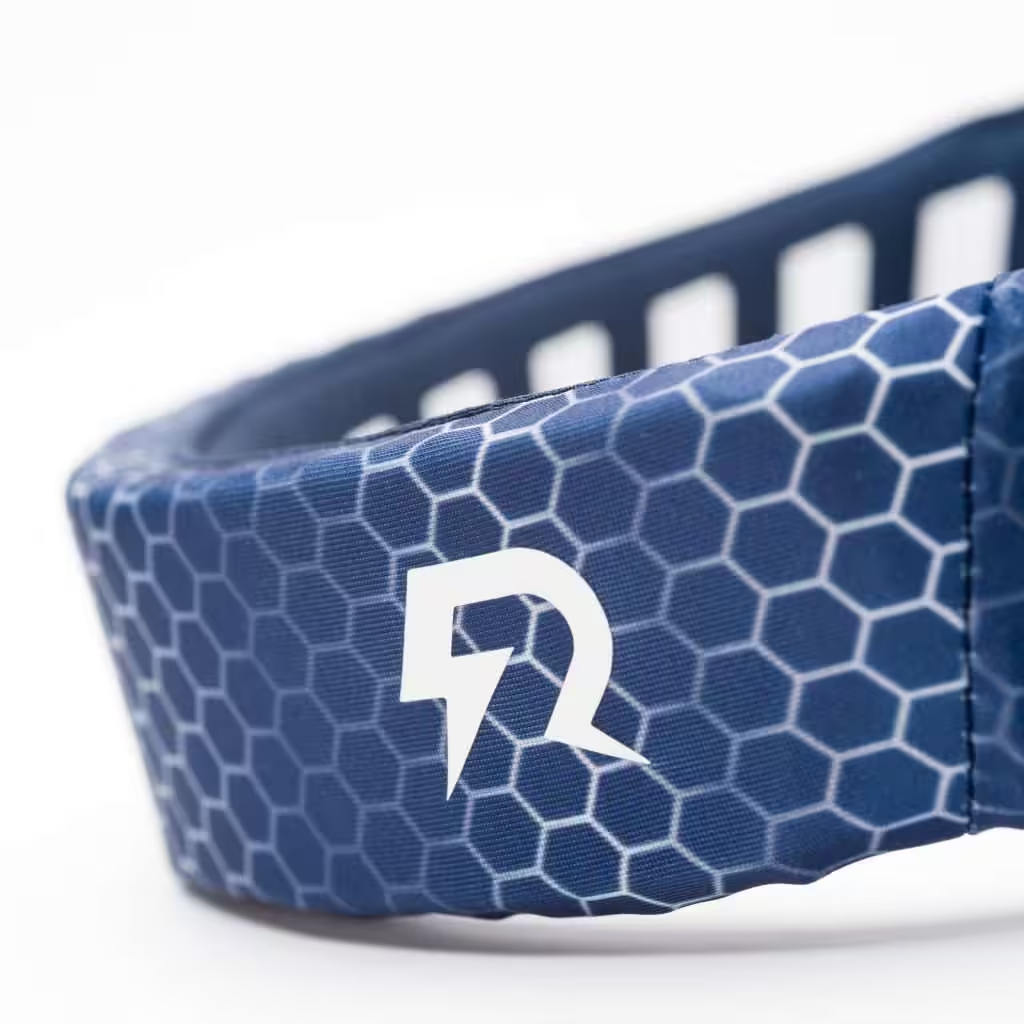
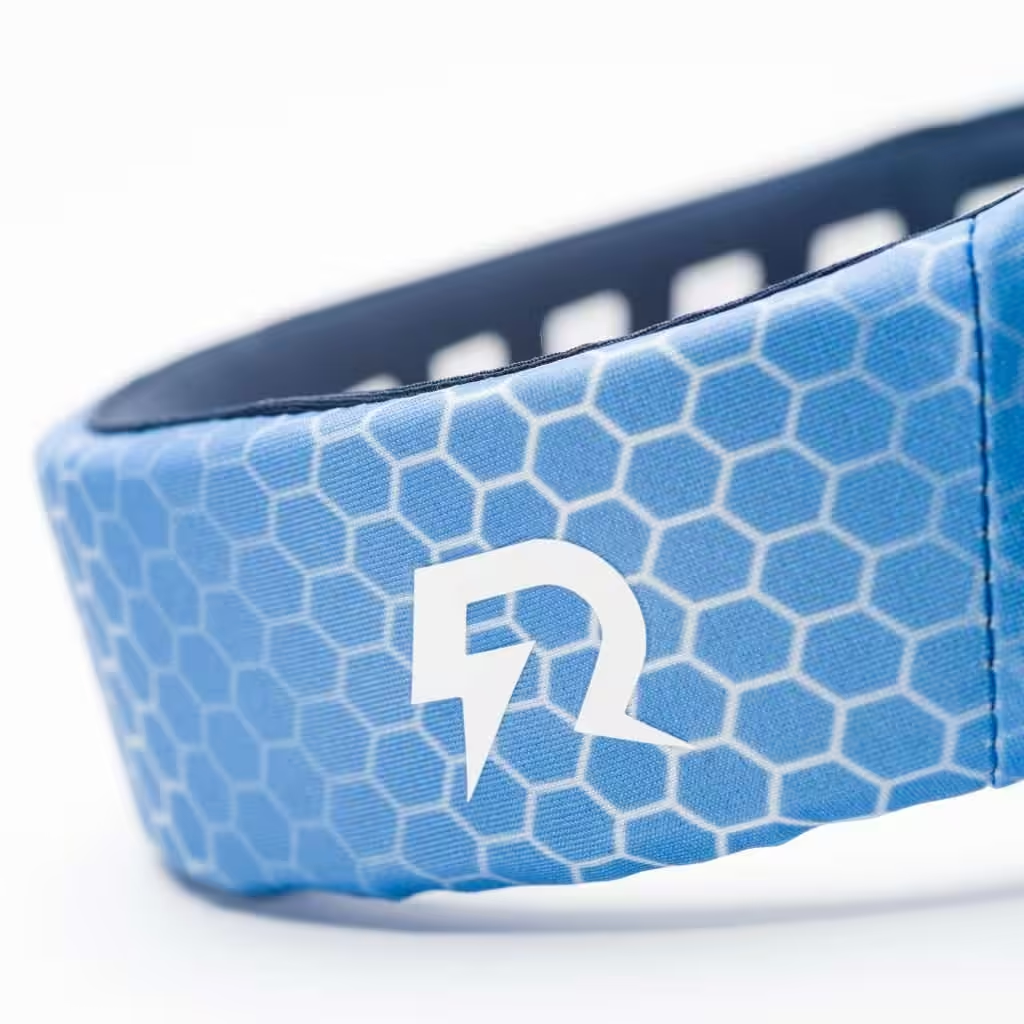
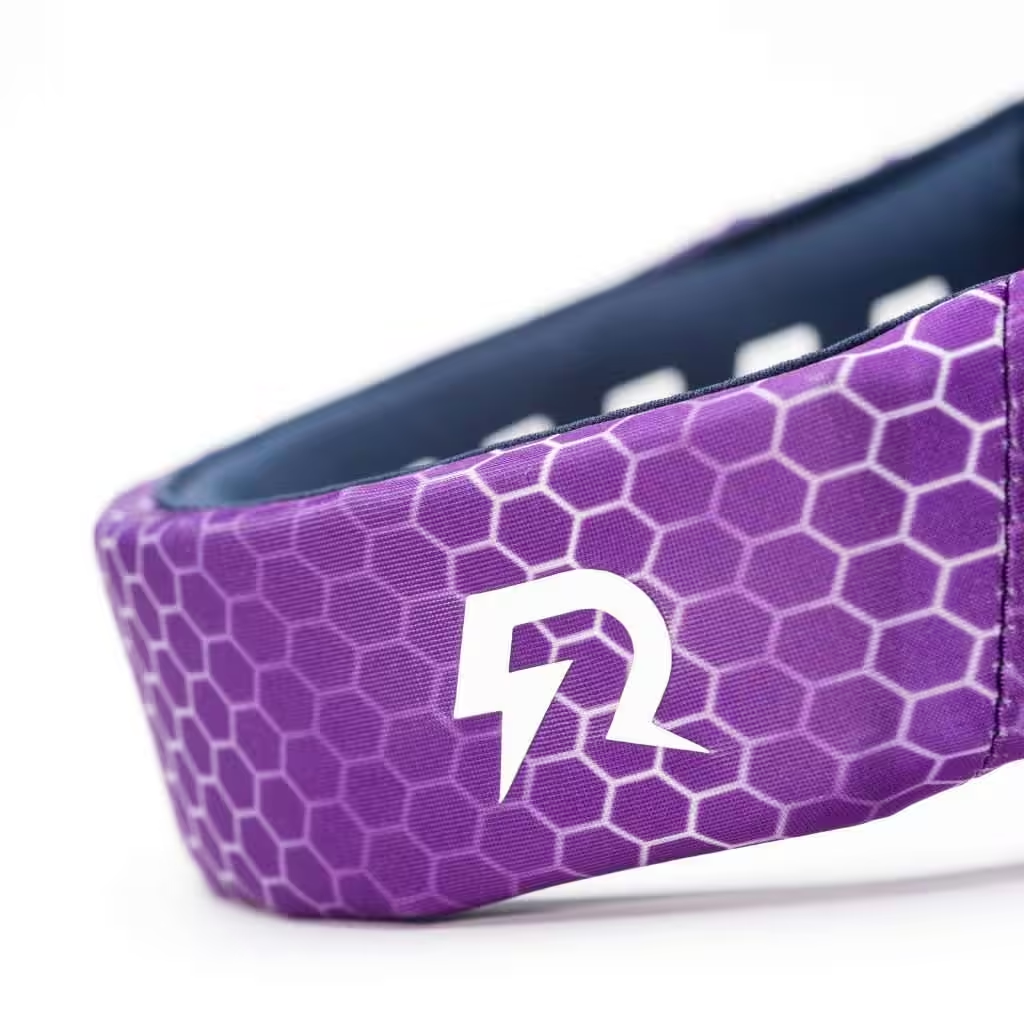
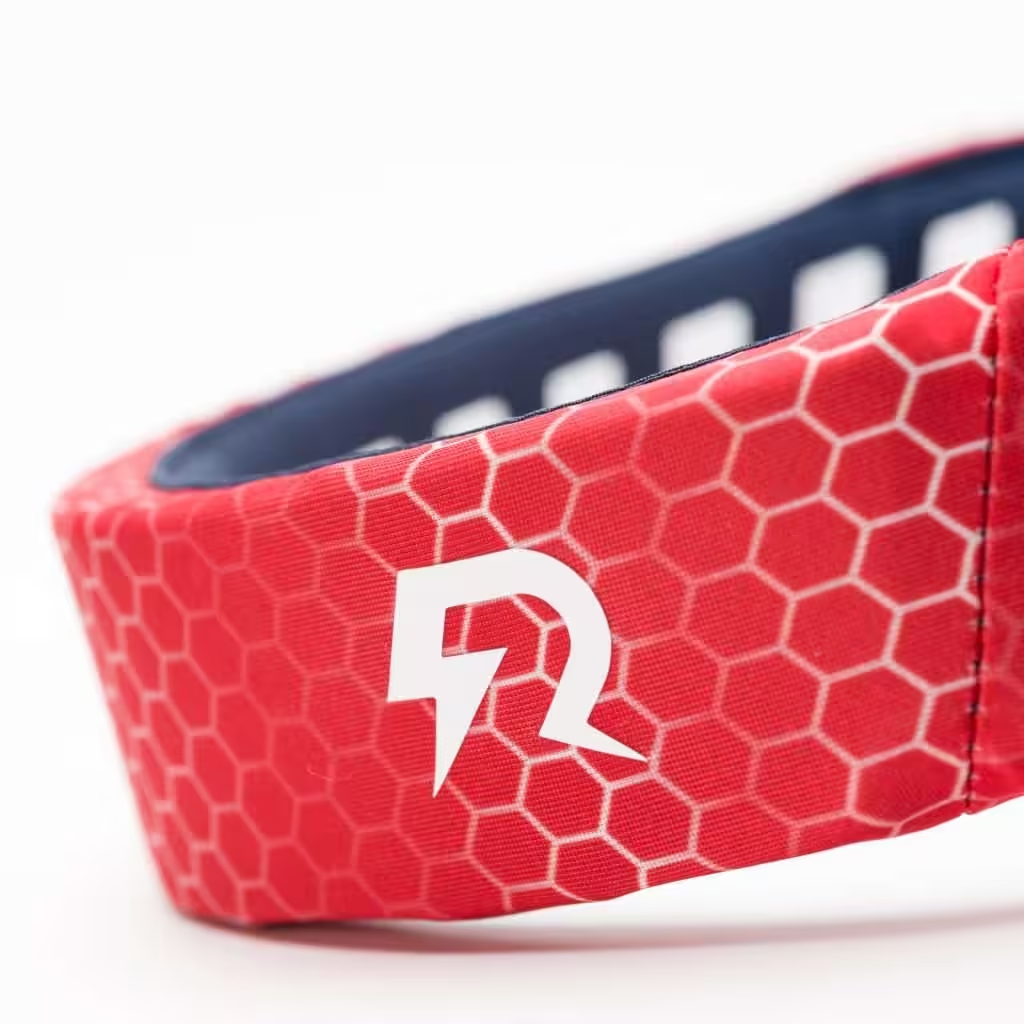
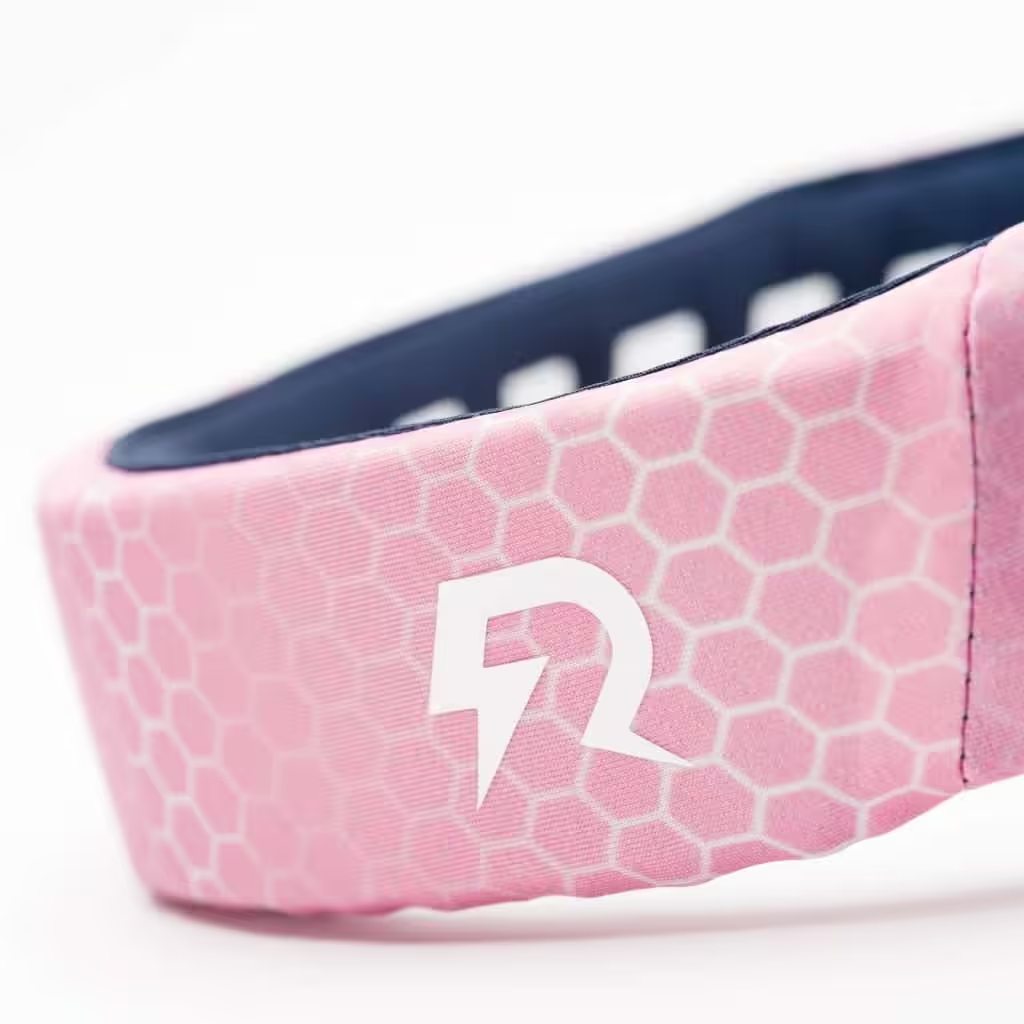
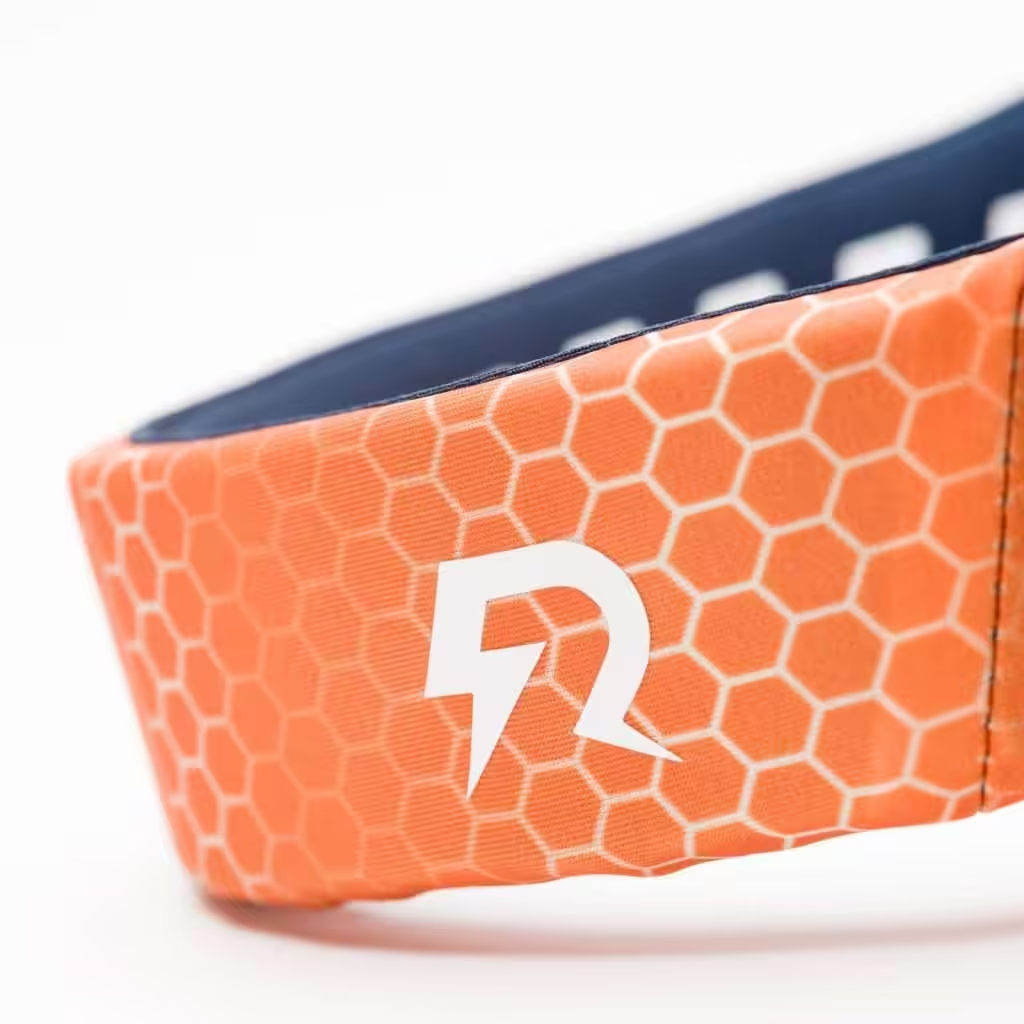
Rezon Halos®: Padel Headguard
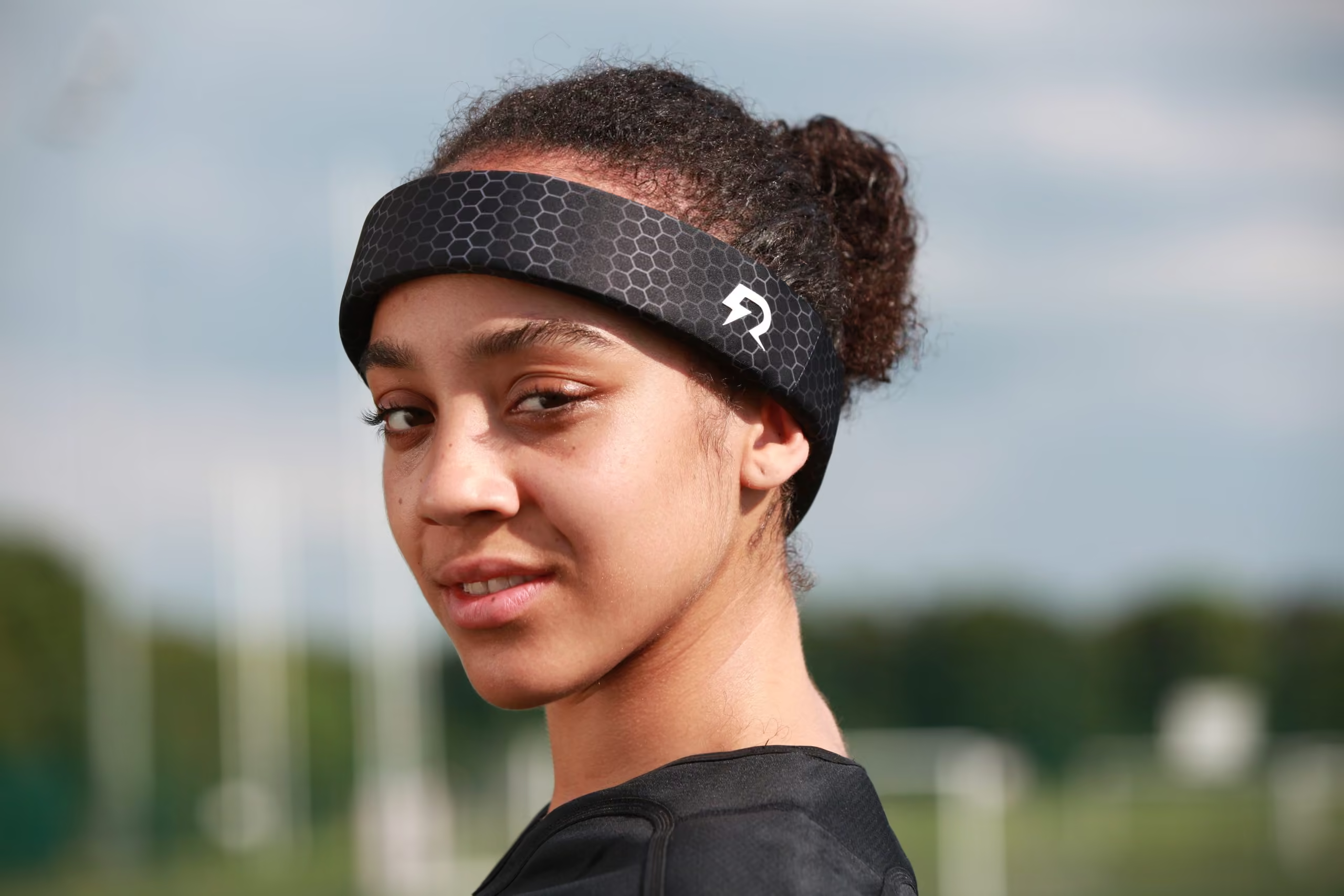
Halos® is a groundbreaking padel headguard that protects the brain. It’s the only head protection of its kind that is designed to reduce your risk of concussion and the accumulated damage of sub-concussions.
Why Halos®?
- Reduces concussion risk by 74%*
- Reduces rotational force to the brain by up to 61%, and linear force by up to 64%*
- Internationally recognised Virginia Tech 5 star safety rating
- CE/UKCA Category II PPE-certified
- Sleek, lightweight, flexible and hypoallergenic
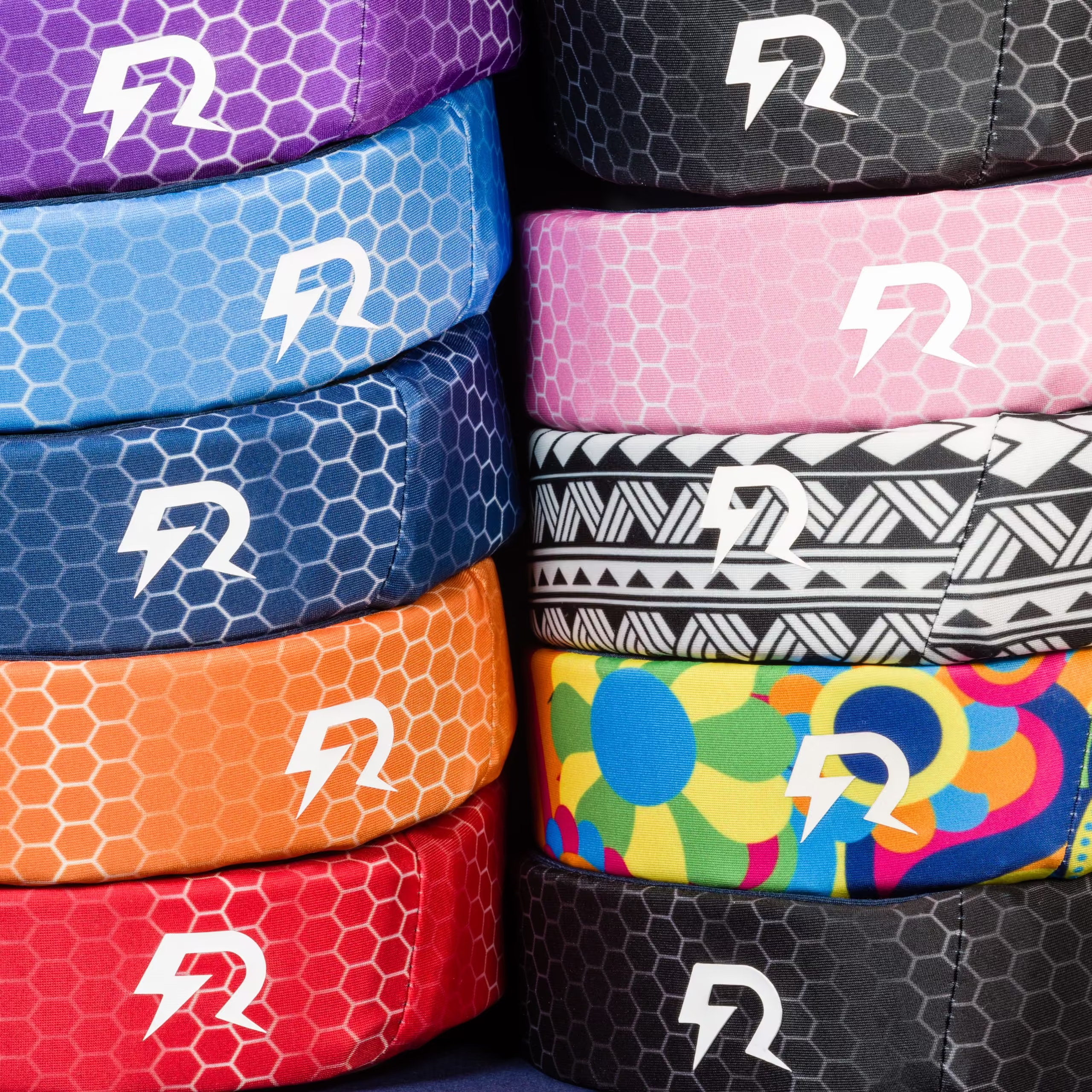
- Available in a range of colours
- Water and tear-resistant
- Machine washable
*based on independent testing
Best Head Protection for Padel: Summary
Padel offers substantial physical, social and competitive benefits, but head and brain injury should not be overlooked simply because the sport is non-contact. The combination of enclosed glass courts, rigid barriers, player collisions, racket strikes and falls creates potential head injury risks.
The best head protection for padel should address the rotational forces associated with brain injury while remaining lightweight, comfortable and practical for everyday play.
Rezon Halos® provides independently tested rotational force reduction in a discreet protective headband, giving padel players the option to protect their brain in sport.
Frequently Asked Questions About Padel Head Protection
👉 Learn more about Rezon Halos® and evidence-based brain protection here.
- Official Rules of Padel. International Padel Federation (FIP). 2026.
- Incidence, prevalence and nature of injuries in padel: a systematic review. Dahmen, J., et al. BMJ Open Sport & Exercise Medicine, 9:e001607. 2023.
- How Rezon’s Brain Protection Technology Works. Rezon.
- Maxillofacial Injuries in Padel Game. 2023.
- Rezon Survey: What Does the Rezon Survey Reveal About Brain Injury Risk in Sport?. Rezon, in partnership with the UK National Innovation Centre for Ageing (NICA) and Voice®. 2025 survey, published 2026.
- Concussion biomechanics, head acceleration exposure and brain injury criteria in sport: a review. Tierney, G. Sports Biomechanics, 23(11), 1888–1916. 2024.
- Soccer Headgear Ratings. Virginia Tech Helmet Lab. Soccer STAR independent headgear evaluation, Rezon Halos®, 5-Star rating and STAR score 0.26.
Author: Alex Reily