How Does Rotational Force Cause Brain Injury in Sport and How Can It Be Reduced?
Rotational forces cause the brain to rotate inside the skull during head impacts, leading to microscopic damage to brain cells, blood vessels, and the blood–brain barrier. This mechanism happens in concussions and sub-concussions, and increases long-term brain injury risk. Reducing the transmission of rotational forces to the brain is therefore one of the most effective ways to lower cumulative brain injury risk and potential risk of triggering longer-term neurodegenerative consequences.
What is rotational force in sport?
Rotational force occurs when the head is struck or accelerated at an angle, causing the skull to rotate. Unlike straight-line (linear) impacts, rotational motion causes the brain to lag behind the skull due to inertia.
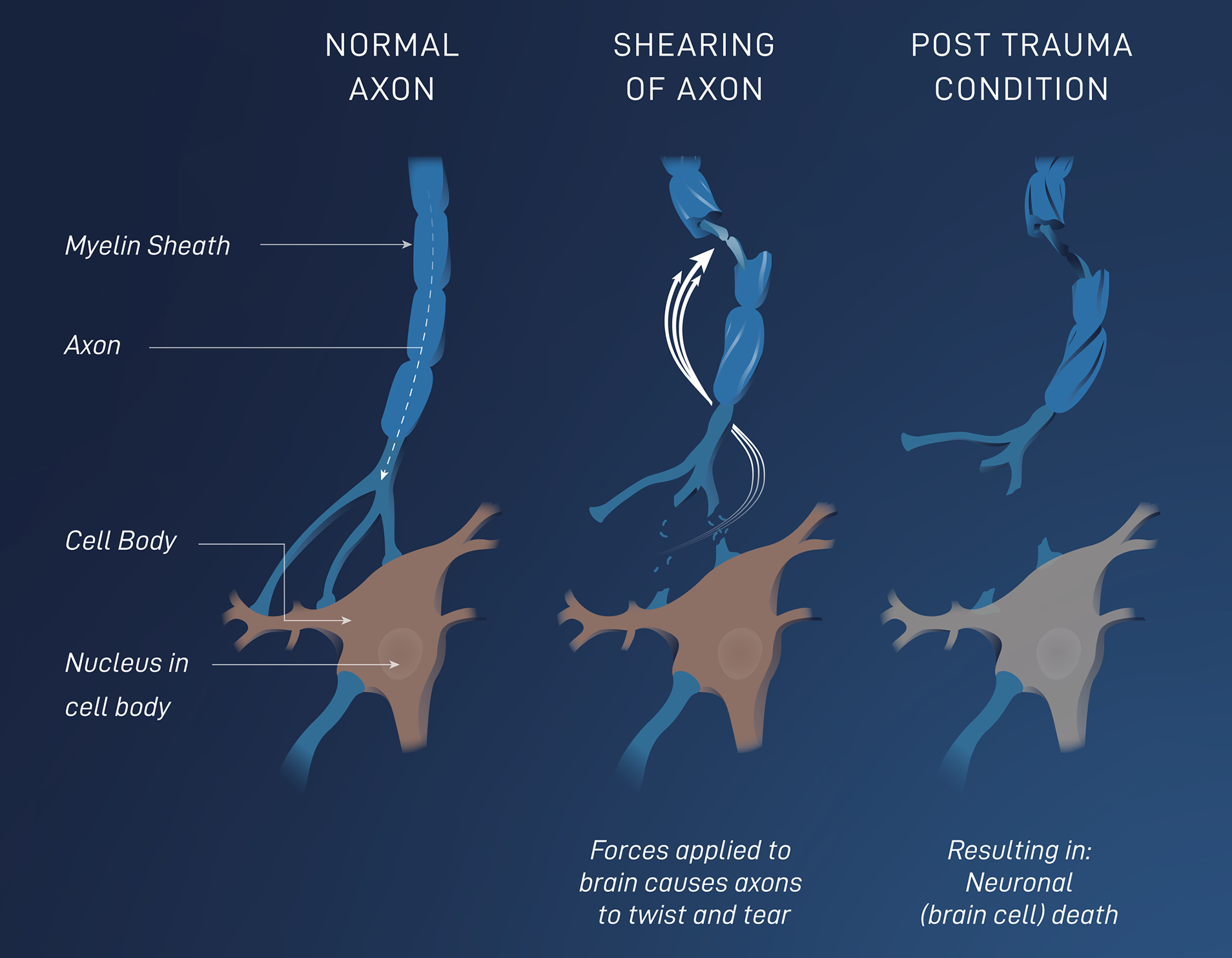
This relative movement creates shear strain within brain tissue. This is associated with tearing of tiny blood vessels and brain cells, resulting, over time, in the breakdown of the blood-brain barrier and the creation of damaging neuro-inflammation.
Shear strain is now recognised as a primary mechanical driver of brain injury in sport.
Rotational forces commonly occur during:
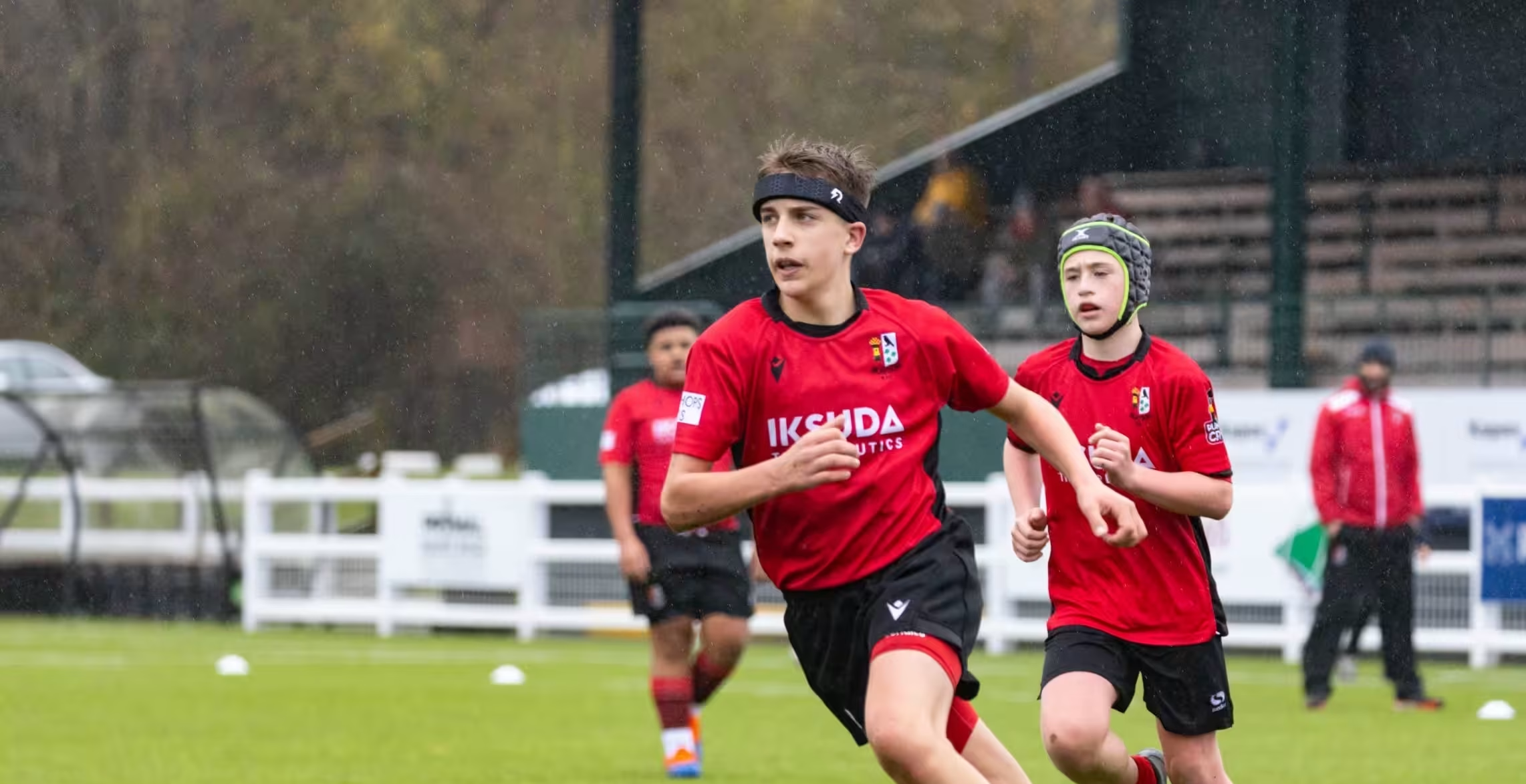
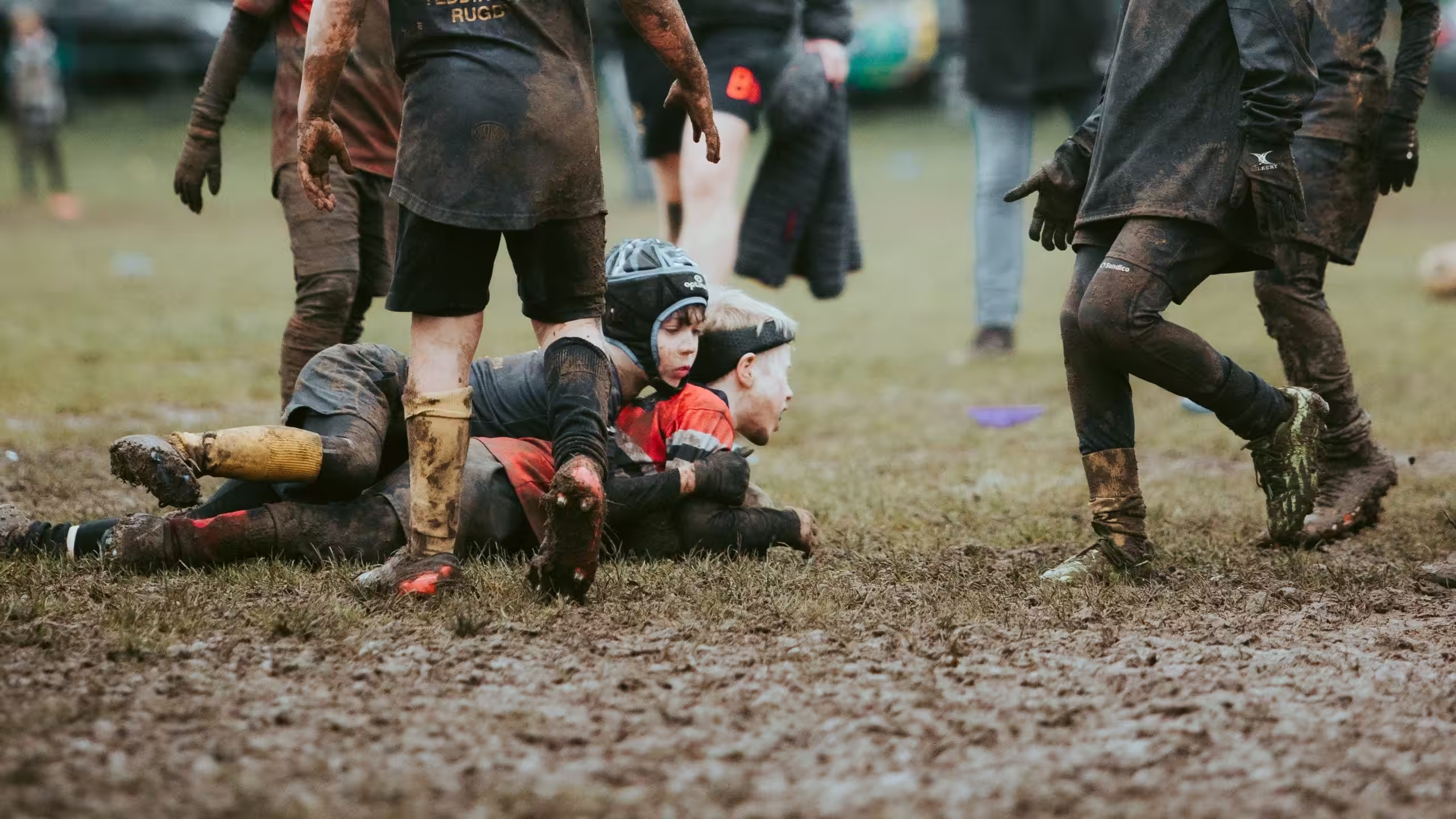
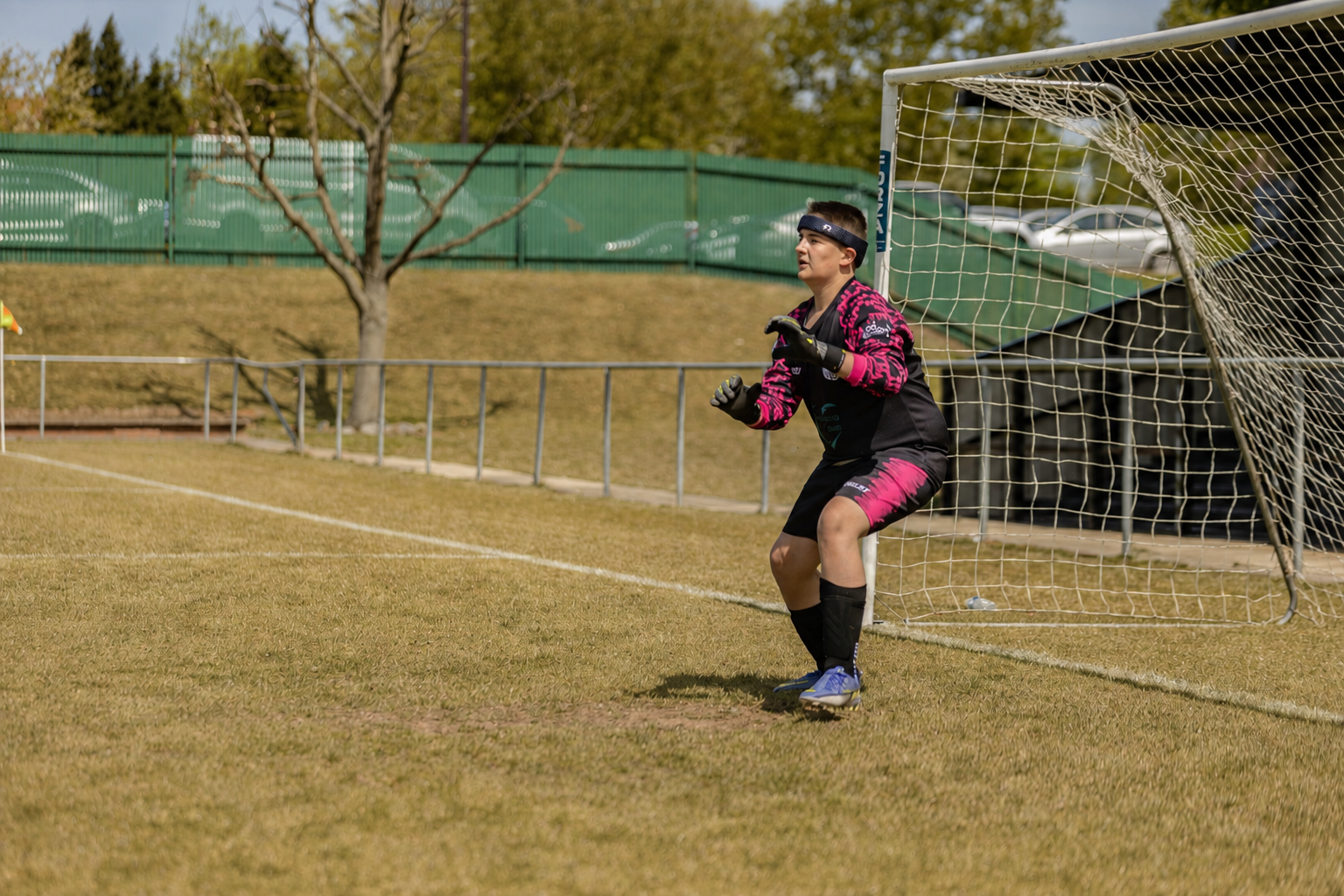
These forces are present across all impact, contact, collision and combat sports, including rugby, football, hockey, curling, climbing, netball, combat sports, and many more.
How rotational force causes brain injury
The brain is soft, highly vascularised tissue suspended in cerebrospinal fluid. Upon head impact the brain can move in a linear plane or rotate. When the skull rotates rapidly, the brain does not move uniformly with it [1].
This results in:
- Shearing of brain cells (axons)
- Tearing of tiny blood vessels
- Breakdown of the blood–brain barrier
- Neuro-inflamation
Damage to the blood-brain barrier allows inflammatory molecules to enter brain tissue, triggering neuro-inflammation. Neuro-inflammation is a recognised feature in neurodegenerative conditions, including Chronic Traumatic Encephalopathy (CTE), motor neuron disease (MND), and Parkinson’s.
Research consistently shows that rotational acceleration produces higher strain within the brain than linear acceleration alone, making it more strongly associated with brain injury risk [1].
Why rotational forces matter more than impact force alone
Traditional thinking about head injury focused on how hard the head was hit and the visible consequences. Modern biomechanics shows that brain rotation is more important.
Linear forces primarily accelerate the skull. Rotational forces damage the brain itself.
This explains why:
- Concussion can occur without cuts and abrasions
- Visible injury is not required for brain injury
- Padding that reduces surface impact does not reduce brain injury risk
Virginia Tech Helmet Lab testing methodology [2] reflects this understanding by measuring both linear and rotational acceleration when assessing concussion risk.
Rotational force and cumulative brain injury in sport
Brain injury in sport is not limited to diagnosed concussions.
Athletes are exposed to repeated head impacts during:
- Training sessions
- Contact drills
- Matches and competition
Many of these impacts are sub-concussive, an impact of lower force than required to cause a concussion, meaning they do not cause concussion symptoms or removal from play. However, sub-concussive impacts still transmit rotational forces to the brain and cause damage to the brain without any symptoms. Sub-concussive impacts are 500 times more frequent than impacts which result in concussion.
Over time, repeated exposure to rotational forces is associated with:
- Microscopic brain tissue damage
- White matter changes
- Neuro-inflammation
- Increased long-term neurological risk, including CTE
Importantly, long-term brain injury risk reflects cumulative exposure, not just single high-force events.
The risk and severity of CTE is not caused primarily by single big-hit concussions, but by multiple smaller sub-concussive blows to the head and body. Failure to grasp this critical discovery is too common, and presents a huge issue in understanding how to tackle CTE.
Dr Emer MacSweeney – CTE: The silent killer in contact sports | TEDxAthens [3]
Why traditional head protection does not adequately address rotational force
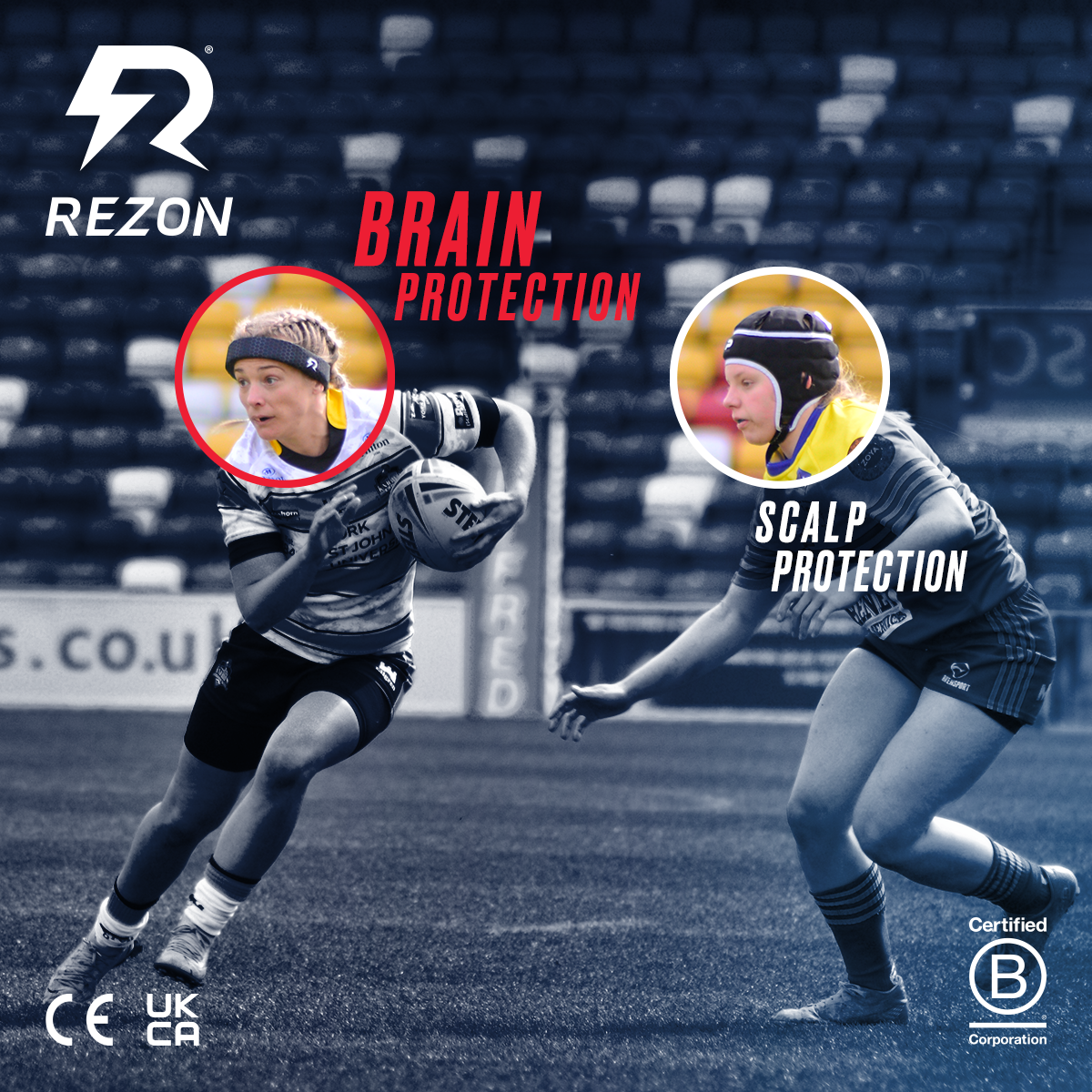
Most traditional head protection focuses on linear force attenuation and surface injury prevention [4].
Soft padding and foam can:
- Reduce cuts and abrasions
- Lower peak linear acceleration
However, these approaches have limited ability to reduce rotational forces and, in some cases, may increase rotational torque due to added mass and surface area.
Independent testing shows that conventional padded headgear does not meaningfully reduce concussion risk because it does not address the primary injury mechanism: rotational forces transmitted to the brain.
How can rotational brain injury risk be reduced in sport?
Reducing brain injury risk requires addressing force transmission, not just impact detection in both concussive and sub-concussive impacts.
Effective strategies include:
- Reducing rotational acceleration/force reaching the brain
- Lowering cumulative exposure across training and competition
- Using protective equipment designed specifically around rotational biomechanics
Detection tools identify injury after damaging forces have already been transmitted. By contrast, proactive equipment reducing rotational force transmission in head impacts lowers the amount of brain injury sustained in the first place.
Evidence-based rotational force reduction
Independent laboratory testing now allows rotational force reduction to be quantified.
The Virginia Tech Helmet Lab evaluates sports headgear using a globally accepted, peer-reviewed methodology that measures:
- Linear acceleration
- Rotational acceleration
- Combined concussion risk
Only products achieving 4- or 5-star ratings are recommended based on this testing framework. To date, no World Rugby approved rugby scrum cap/headguard has publicly shared a 4 or 5 star rating from Virginia Tech [5].
Protective headgear designed to reduce rotational forces, Rezon Halos®, demonstrates superior performance in reducing concussion risk under biometrics testing conditions.

Why rotational force reduction matters
Rotational forces are a central driver of brain injury in sport because they:
- Deform brain tissue
- Disrupt the blood–brain barrier
- Trigger damaging neuro-inflammation
- Accumulate silently over time
Understanding and addressing this mechanism of brain injury is essential for improving brain protection across all impact, contact, collision and combat sports.
Frequently Asked Questions
👉 Learn more about Rezon Halos® and evidence-based brain protection here.
- Biomechanical investigation of head impacts in football. British Journal of Sports Medicine.
- Virginia Tech Helmet Lab.
- CTE: The silent killer in contact sports. Dr Emer MacSweeney. TEDx Athens.
- Brain injury science. Further reading. Rezon.
- Star Rating Framework. Virginia Tech Helmet Lab.
Author: Alex Reily