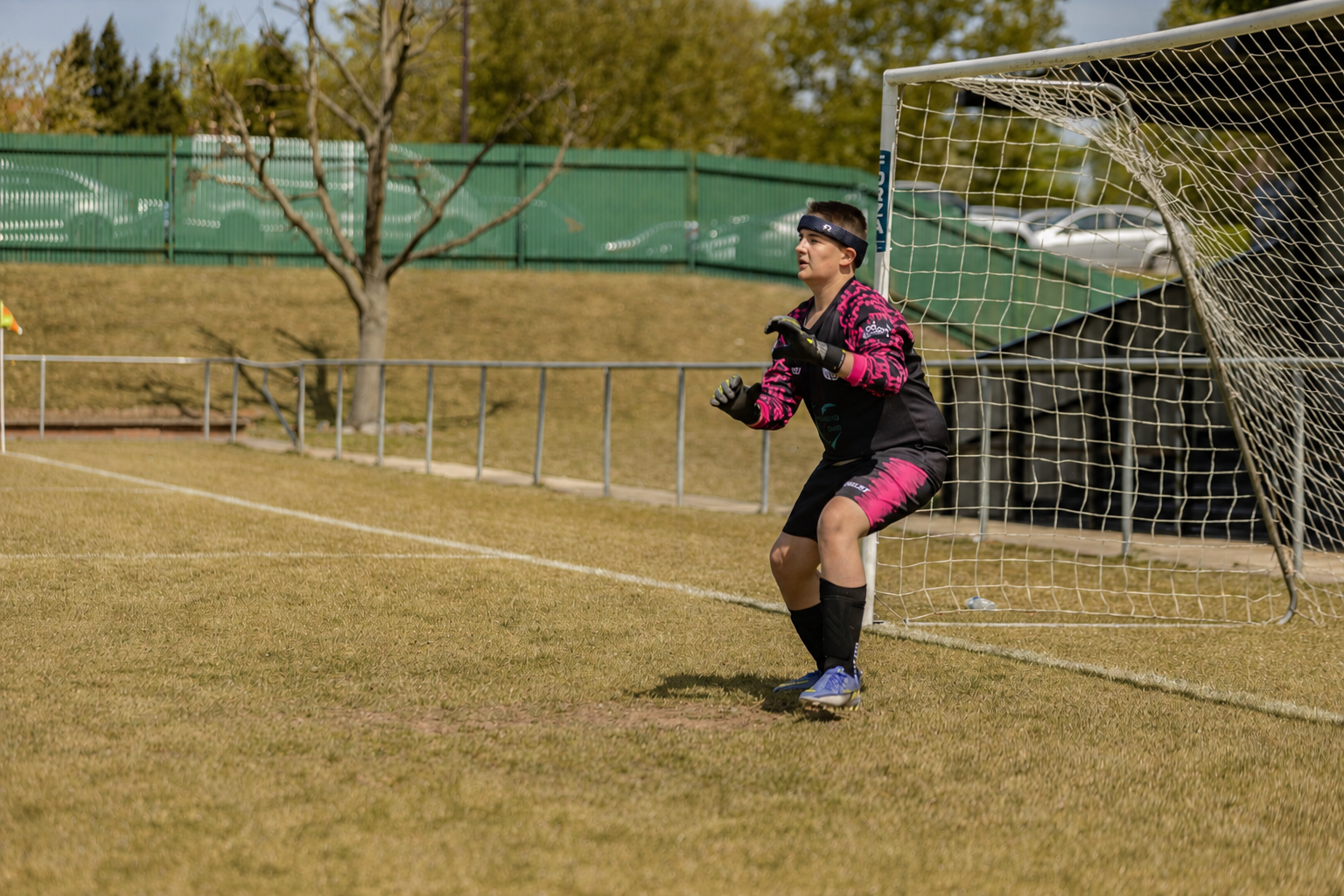
The Hidden Dangers of Contact Sports
The largest ever study into CTE[1] has shown a direct link between the accumulation of smaller-force head impacts (sub-concussions) and Chronic Traumatic Encephalopathy (CTE), a brain disease causing early-onset dementia.
The study has shown:
- Sub-concussions significantly increase the risk of CTE, more so than concussions
- The severity of CTE escalates with an increase in the frequency of sub-concussions
- 1,000 additional head impacts increased CTE risk by 21%
We’re now getting a better understanding of [not only what causes CTE, but what doesn’t]. And in this case … concussions were basically noise.
— Dr. Daniel Daneshvar, the study’s lead author, to NYT
Startling Findings
The game-changing analysis reviewed helmet sensor data from previous studies of American football players. The results showed an unignorable and undeniable correlation between sub-concussions and CTE. It also identified that certain playing positions may be more at risk.
- Increased exposure, increased risk: The more head impacts a player receives over their lifetime, the higher the risk of Chronic Traumatic Encephalopathy (CTE).
- Position matters: The frequency and intensity of sub-concussions vary depending on player position.
- Acceleration impacts: Not only the force of the impact matters, but also the movement of the head following the impact, especially when it causes the brain to rotate.
- It’s not just about concussions: Sub-concussions are a bigger contributor to CTE than concussions. These are impacts that don’t cause immediate, noticeable symptoms.
Many players may not think these impacts apply to them – it’s hard to tell when you don’t have any symptoms. However, the amount and force of repeated head impacts sustained by players were shocking.
- Athletes had over 2,000 estimated lifetime hits on average, with some reaching more than 15,000.
- A single linear acceleration hit averaged 20 to 30 g-force, equivalent to a car crash.
- The lifetime impact of rotational accelerations averaged millions of rad/sec². This is like the extreme forces of the world’s fastest roller coasters concentrated in an incredibly small area (your brain). It’s as if your brain has taken hundreds of thousands of these intense rides throughout a lifetime of contact sports.
These are not just numbers. They’re a stark reminder of the brutal punishment players’ brains are taking both in play and training in sports where head impacts happen.
What Counts as a ‘Head Impact’?
Sub-concussions can happen in several main ways:
- Player-to-player collisions
- Falls
- Struck by equipment
- Player-to-object collisions
- Player-to-ground impacts
If you’re a player or coach, you’ll know how often these occur in training and in play, regardless of playing level.

The Life-Saving Role of Protective Headwear
Given this newfound knowledge, the need for the right protective headwear has never been more pressing. The data showed the danger of both linear and rotational injuries. That means the headwear needs to address both.
Unfortunately, not all headwear is protective, and there’s no onus on sports leagues and associations to make sure that protective headgear is fit for purpose. If helmets and scrum caps worked, we wouldn’t have an epidemic of CTE in sports players.
Our Halos® headbands are a groundbreaking solution. Designed with state-of-the-art technology, they:
- Reduce rotational forces by up to 61%*
- Reduce linear forces by up to 64%*
- Reduce concussion risk by 74%*
*Based on independent testing.
We’ve been working with leading international CTE experts like Dr. Emer MacSweeney for years to create headwear that truly protects players’ brains. Wearing our Halos® headbands reduces CTE risk by protecting the brain, not just the skull.
Taking Action Today for a Safer Tomorrow
If you’re an athlete, coach, or parent, this isn’t just a wake-up call; it’s a call to action.
With every game and training session played without the right protection, the risk of CTE intensifies by over 20%. It’s time to change how we play and protect our athletes. After all, every match won, every goal scored, every victory celebrated means nothing without our health.
Don’t just play the game, change it. Invest in the right protective headgear now, because a safer tomorrow starts with the decisions we make today.
1. Leveraging football accelerometer data to quantify associations between repetitive head impacts and chronic traumatic encephalopathy in males, Daneshvar, D.H., Nair, E.S., Baucom, Z.H. et al, 2023.
Author: Judith McMinn