Key Takeaways
- Diffuse Axonal Injury (DAI) is a traumatic brain injury caused by the shearing or tearing of the brain’s nerve fibres, because of sudden rotational accelerations or decelerations of the brain.
- DAI disrupts brain network connectivity and function.
- Symptoms of DAI range from headaches and confusion to coma in severe cases.
- DAI diagnosis involves clinical evaluation and imaging tests.
- Treatment for DAI aims to minimise secondary brain damage and includes long-term rehabilitation.
- Full recovery is challenging, but extensive rehabilitation can lead to gradual improvements.
Traumatic brain injuries (TBI) are injuries in which damage is caused to the brain from external force, such as concussions. One of the most severe kinds of TBI is Diffuse Axonal Injury (DAI). DAI happens when the nerve fibres (axons) in the brain are torn and destroyed. This can result in neurological issues from changes in thinking and behaviour to brain damage and death.
What is Diffuse Axonal Injury (DAI)?
DAI occurs when an injury to the head results in the brain rotating inside the skull. This movement causes the brain’s long nerve fibres, known as axons, to be sheared or torn. The axons, which are part of the brain’s white matter, are responsible for transmitting signals across different parts of the brain. When these axons are torn and damaged, it significantly disrupts brain function and can result in thinking and behaviour difficulties, coma, widespread brain damage and death.
What are the symptoms?
Symptoms of DAI vary depending on the extent and location of the injury. Some common symptoms include:
- Loss of consciousness or coma
- Persistent headache
- Confusion and disorientation
- Nausea and vomiting
- Seizures
- Motor issues such as weakness or loss of coordination
- Cognitive and behavioural changes
What causes DAI?
DAI is most often caused by rotational acceleration-deceleration injuries. These injuries occur when the head experiences a sudden start or stop, causing the brain to rotate. This sudden rotation shears or tears the brain’s delicate nerve fibres and blood vessels. This causes micro-haemorrhages.
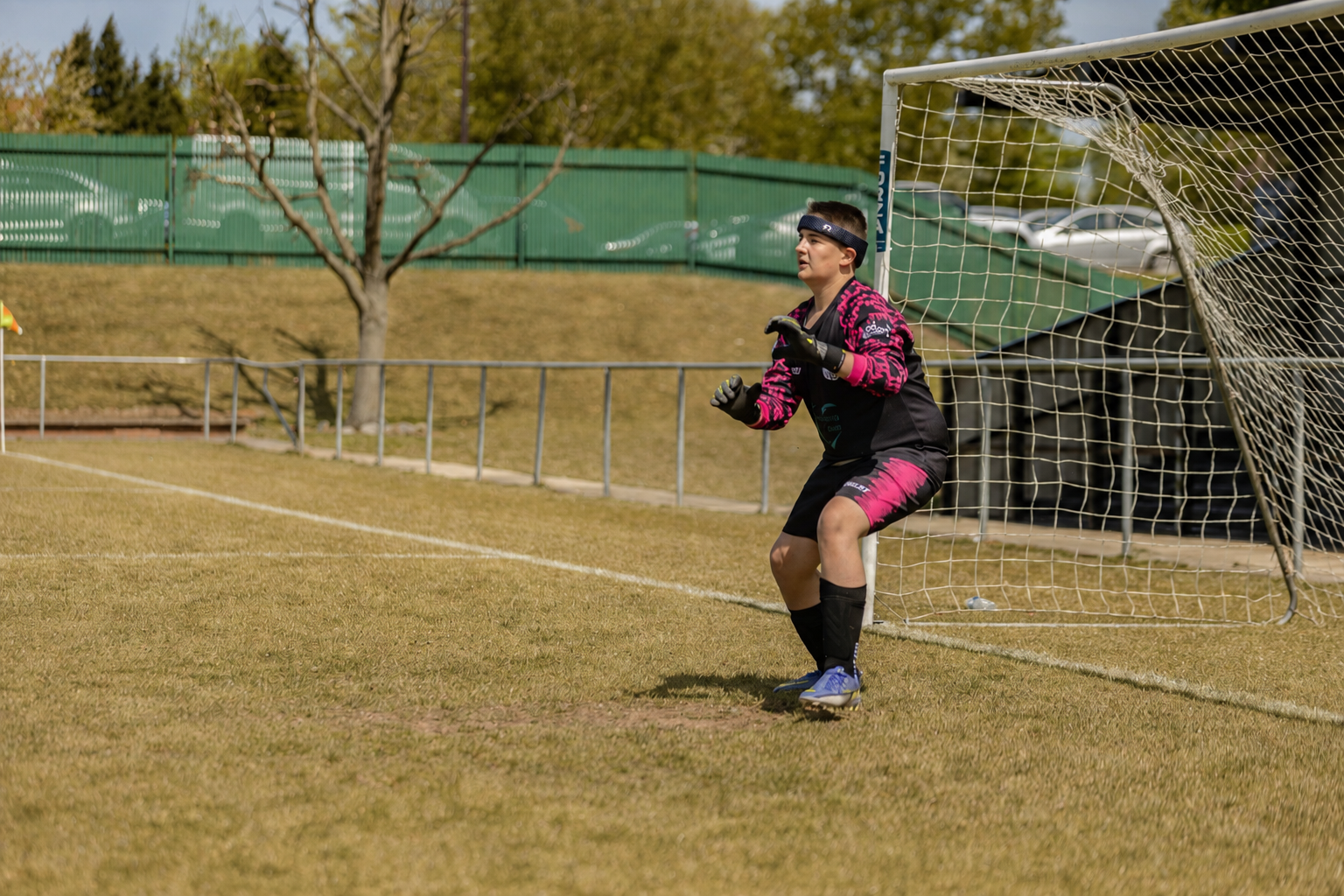
Sports, especially contact and collision sports like rugby or football, are one of the most common places for these injuries to take place. That’s why we always recommend wearing protective headwear like Halos® to reduce the damage caused by these injuries.
While acceleration-deceleration injuries are a significant cause of DAI, they can also be brought about by other forms of high-impact, blunt trauma to the head.
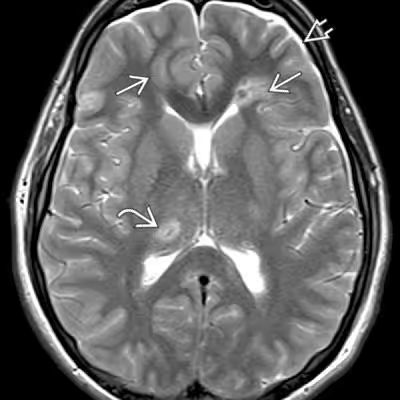
Special MRI sequence to show evidence of microhaemorrhages. These microhaemorrhages are a hallmark for DAI resulting from rotational injury to brain.
How common is DAI?
Severe DAI represents a significant proportion of severe traumatic brain injuries – roughly 10% [1]. It is the most common cause of unconsciousness and persistent vegetative state after head trauma.
However, the majority of head trauma results in mild traumatic brain injury (mTBI) in which the most common persistent symptoms are related to behavioural and cognitive impairment. Typically, if you notice changes in a person’s behaviour or cognition after a mTBI, it is caused by DAI.
Diagnosing DAI
DAI is diagnosed using a combination of clinical evaluation and specialist MRI scans. It is not detected by CT scanning.
Unfortunately, conventional MRIs can’t clearly show the extent of the damage of DAI. That’s because the affected nerve fibres are too tiny – about one-thousandth the size of what the scan can pick up.
As the degree of DAI depends on the level of the damage to axons, the limitations of imaging mean it’s often difficult to diagnose the full scope of the injury.
However, new, more advanced MRIs, coupled with sophisticated data analysis, are now able to clearly show evidence of DAI, something even the best standard MRI scans couldn’t reveal.
Treatment for DAI
There is currently no specific treatment to reverse the axonal damage caused by DAI. Management is primarily supportive and aimed at minimising secondary brain damage. This can include:
- Stabilising the patient and ensuring adequate oxygen supply to the brain
- Using medications to control symptoms such as seizures
- Providing supportive care in an intensive care unit
- Rehabilitation therapies to help with long-term recovery
What are the long-term effects of DAI?
DAI can have serious long-term effects, including cognitive and physical disabilities such as:
- Memory problems
- Difficulty with attention and concentration
- Motor coordination problems
- Personality changes
While DAI does not necessarily shorten life expectancy, the associated disabilities can significantly impact a person’s quality of life.

Can you recover fully from DAI?
Full recovery from DAI is challenging due to the widespread nature of the brain damage, but not impossible. However, recovery is often slow and requires extensive rehabilitation. Outcomes vary widely. One study showed that 45% of patients analysed fully recovered from DAI, but 31% died [2].
Diffuse Axonal Injury (DAI) can severely impact those affected and their loved ones, not only in the short-term, but over the many years it can take to rehabilitate. Sports players can do more to prevent these injuries so they can continue playing the game they love. Protect your brain. It’s that simple.
1. Diffuse Axonal Injury, Mesfin FB, Gupta N, Hays Shapshak A, et al, 2023.
2. Diffuse Axonal Injury: Epidemiology, Outcome and Associated Risk Factors, Vieira RC, Paiva WS, de Oliveira DV, Teixeira MJ, de Andrade AF, de Sousa RM, 2016.
Author: Judith McMinn