What Does New Research Reveal About Concussions in Figure Skating?
New research published in October 2026 found that 23.3% of figure skaters studied reported a history of physician-diagnosed concussion. The findings challenge assumptions about head injury risks in figure skating. Head impacts occurring from falls onto ice generate linear and rotational forces associated with traumatic brain injury, highlighting the importance of understanding concussion risks and the science behind figure skating head protection [1, 2].
New Research Reveals Concussion Histories Among Figure Skaters
A new peer-reviewed study provides important new evidence about concussion histories among winter-sport athletes. Researchers from the Japan Institute of Sports Sciences analysed the medical evaluation records of 735 elite winter-sport athletes, including figure skaters, speed skaters, ice hockey players, skiers and snowboarders.
The study examined previous physician-diagnosed concussions, self-reported concussion-like episodes and the age at which athletes experienced their first diagnosed concussion. Among the 60 figure skaters studied, 14 (23.3%) reported a history of physician-diagnosed concussion [1].
Figure Skating Had the Highest Reported Concussion History Among Skating Disciplines
The researchers identified differences between the three skating disciplines examined:
| Skating discipline | Athletes reporting a previously diagnosed concussion |
|---|---|
| Figure skating | 23.3% (14 of 60) |
| Short-track speed skating | 16.1% (10 of 62) |
| Speed skating | 13.4% (9 of 67) |
Figure skating had the highest observed proportion among these skating disciplines.
Why the Age of First Concussion Matters
One particularly important finding concerns the age at which athletes experienced their first diagnosed concussion. Among the figure skaters with previous diagnosed concussions, the median age at first concussion was 14.5 years [1].
Across the wider group of winter-sport athletes, researchers also identified an association between younger age at first diagnosed concussion and a greater number of previous concussions. The findings reinforce the importance of recognising concussions and brain injuries and managing concussion risk throughout an athlete’s development, rather than only during their professional or elite career.
For parents, coaches and young skaters, understanding these risks is an important part of informed participation. Children are more vulnerable to brain injury, and sports where the head can strike a solid surface are of particular concern.
Figure Skating Is Booming in America
The publication of this research comes during a period of renewed enthusiasm for figure skating in the United States, and so too in Canada and the United Kingdom.
2x
US search interest in figure skating lessons is 2x or more higher than the previous olympic peaks since 2009.
20-30%
Increase in skating enrolments at some US rinks following the olympics.
The Milano Cortina 2026 Winter Olympics brought extraordinary attention to American figure skating, with Alysa Liu winning women’s singles gold and the United States securing gold in the team competition. The success has been accompanied by encouraging signs of increased participation.
In May 2026, U.S. Figure Skating reported a 4% increase in Learn to Skate USA membership, alongside a 3% increase in overall membership and 7% growth in participation at the U.S. Adult Figure Skating Championships [3].
The sport’s growing popularity is a positive development, introducing more children and adults to the physical, technical and artistic demands of skating. But greater participation makes understanding the risks of falls and head impacts increasingly relevant.
Figure skating requires balance, speed and complex movements performed on a hard surface. Falls can occur during basic skills development as well as advanced jumps, spins and pairs elements.
As more people discover figure skating, awareness of concussion risks and appropriate figure skating head protection should grow alongside participation.
How Common Are Head Injuries in Figure Skating and Ice Skating?
The new Japanese study provides evidence of previously diagnosed concussions among elite figure skaters. Separate research offers insight into head injuries across ice skating more broadly. A 2023 epidemiological study examined US emergency-department presentations for injuries associated with ice skating, inline skating and roller skating over a 20-year period.
Researchers found that 34.5% of ice-skating injuries presenting to emergency departments involved the head, face or neck. This was the most frequently injured anatomical region among the ice-skating cases studied, and concussion was diagnosed in 5.9% of ice-skating injury presentations [2].
Head and brain injuries are also common in curling, another ice-based sport that creates a risk of head impacts in falls.
Watch a real-world example: Curler, Rob Packham, talks about his fall on the ice and why he wears Halos®.
What Happens When a Figure Skater Hits Their Head on the Ice?
The consequences of a head impact in figure skating became particularly visible shortly before the 2026 Winter Olympics.
On 30 January 2026, Canadian pairs figure skater and former world champion Deanna Stellato-Dudek struck her head on the ice during training in Quebec. The incident disrupted her Olympic preparations and prevented her and partner Maxime Deschamps from participating in the team competition.
In a statement issued on 10 February, the Canadian Olympic Committee and Skate Canada confirmed that she had been closely monitored by medical teams, completed the required evaluations and was cleared to compete in the individual pairs event [4].
The circumstances illustrate how a head impact can affect even highly experienced figure skaters.
A sport predicated on fast spins, on a slippery ice surface, creates a considerable head injury risk for participants at every level.
Why Rotational Forces Matter in Figure Skating Brain Injuries
When a figure skater’s head strikes the ice at an angle, the sudden acceleration and deceleration can cause the brain to move and rotate within the skull.
The brain’s white and grey matter have different structural and mechanical properties, meaning they can deform and move differently in response to rotational forces. This creates stretching, twisting and shearing forces within the brain, particularly affecting the axons that connect nerve cells and the tiny blood vessels surrounding them.
Axons are responsible for transmitting information between different regions of the brain. When subjected to sufficient mechanical strain, these connections can become damaged, disrupting communication between neural networks. Damage to blood vessels can also contribute to neuro-inflammation and long-term neurodegenerative consequences. Research into concussion biomechanics has demonstrated the relationship between rotational acceleration, brain tissue strain and traumatic brain injury [5].
This is why rotational forces are particularly important in understanding brain injury: an impact can cause damage deep within the brain, rather than simply injuring the scalp or skull at the point of contact.
For a more detailed explanation, read: What Is Rotational Brain Injury?
What Should Figure Skaters Look for in Head Protection?
Understanding the biomechanics of brain injury is an important starting point when assessing figure skating head protection.
Head impacts can involve both linear and rotational acceleration, and protective equipment should be evaluated for its performance against relevant impact forces.
Independent testing provides an objective basis for comparing protective technologies. Performance in reducing the transmission of rotational forces in head impacts is the primary consideration in brain protection. Figure skaters should also consider legal certification, including CE and UKCA Category II PPE certification as reassurance that the product is tested as protective.
Fit, stability, comfort and appropriate head coverage are also important considerations. Different forms of protective equipment can serve different purposes, and a protective headband should not replace a helmet where one is required or recommended.
For skaters, parents and coaches, the most important consideration is understanding what a protective product has actually been tested and certified to do.

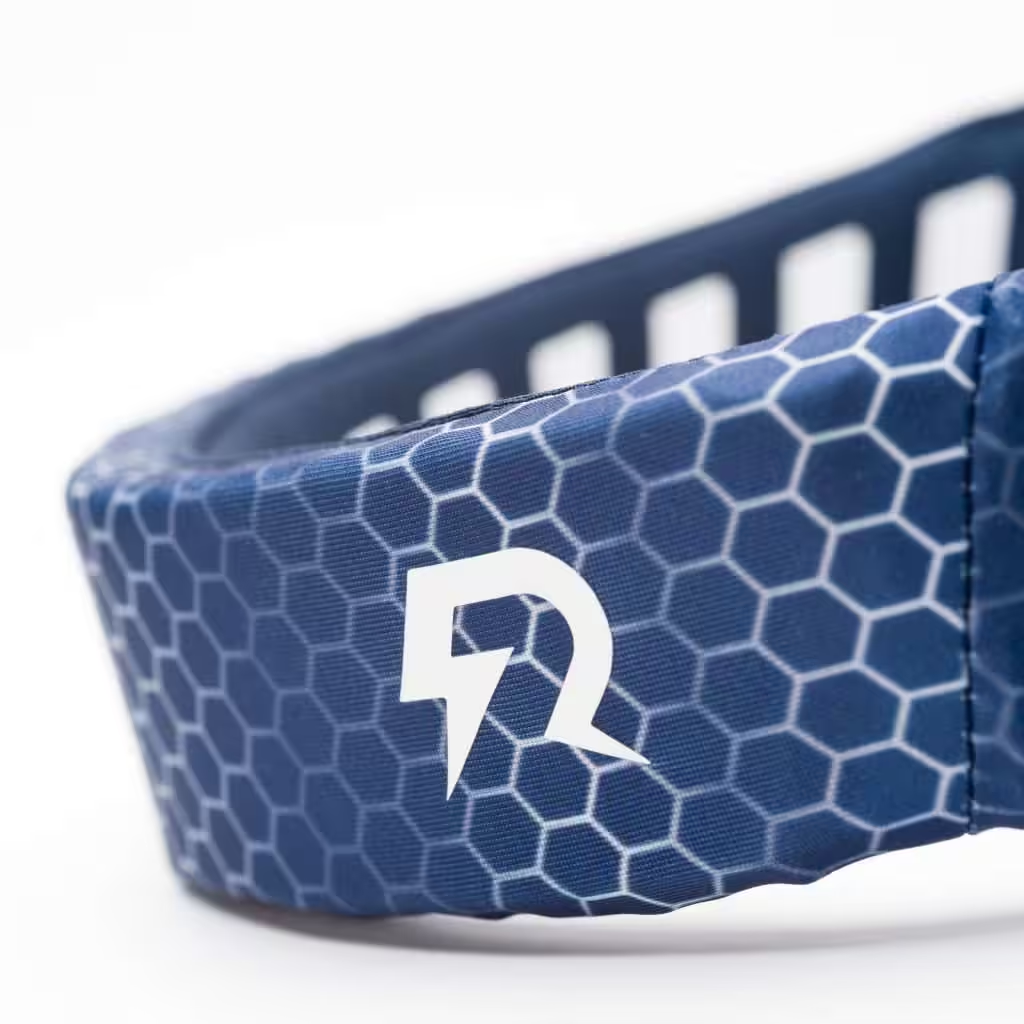
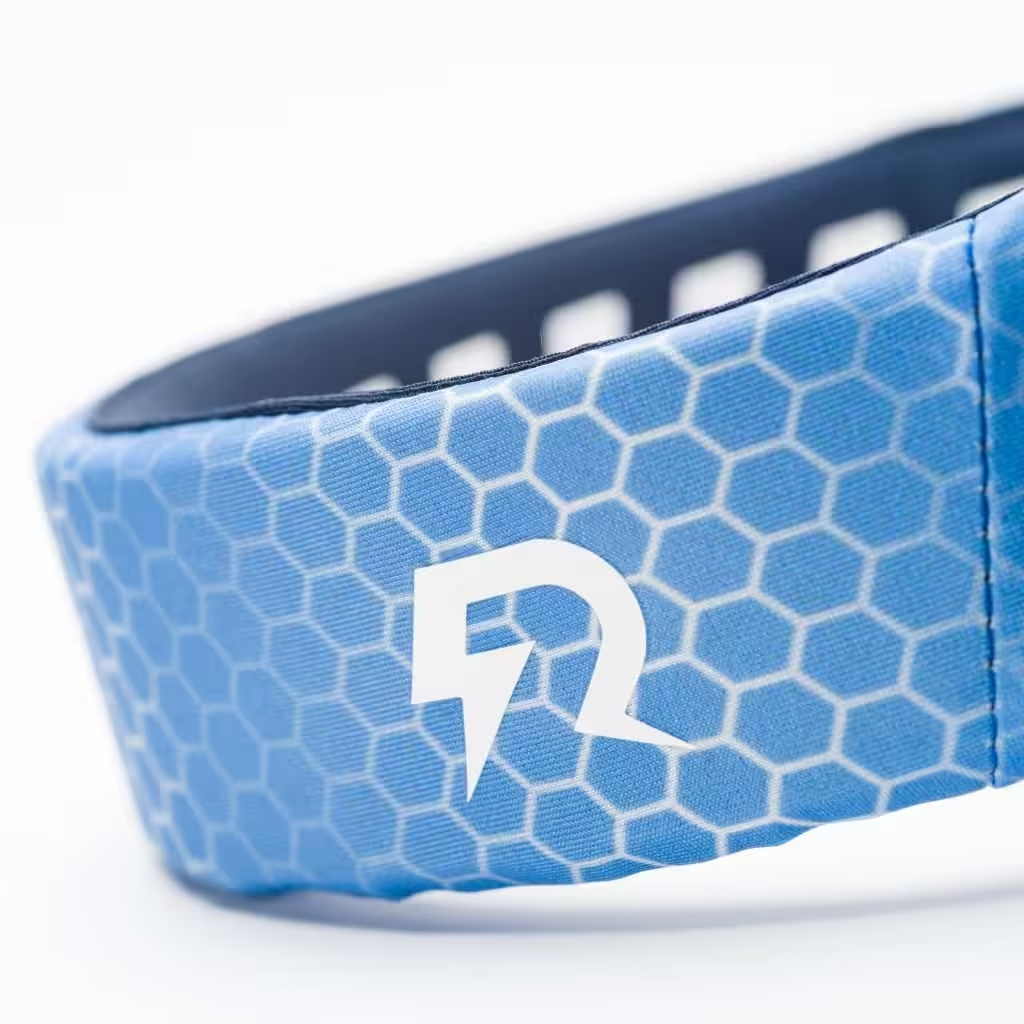
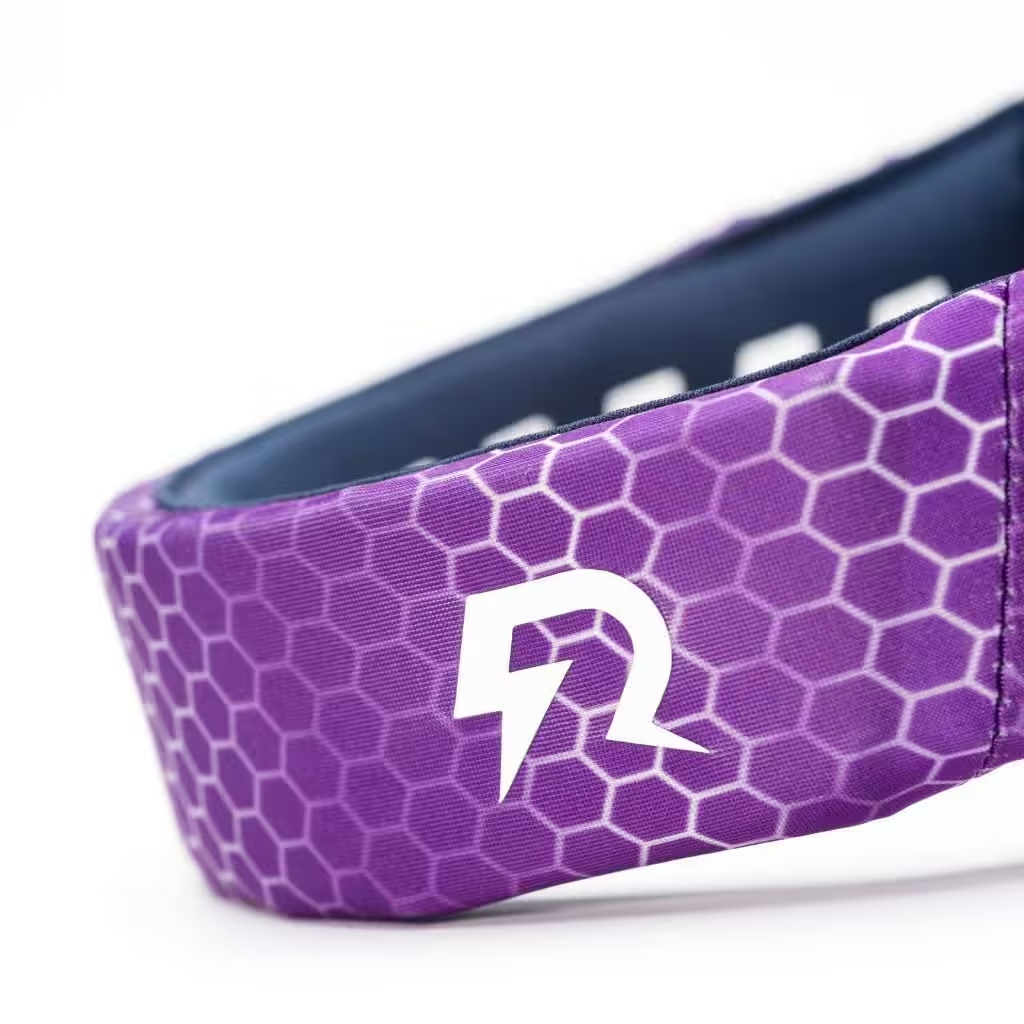
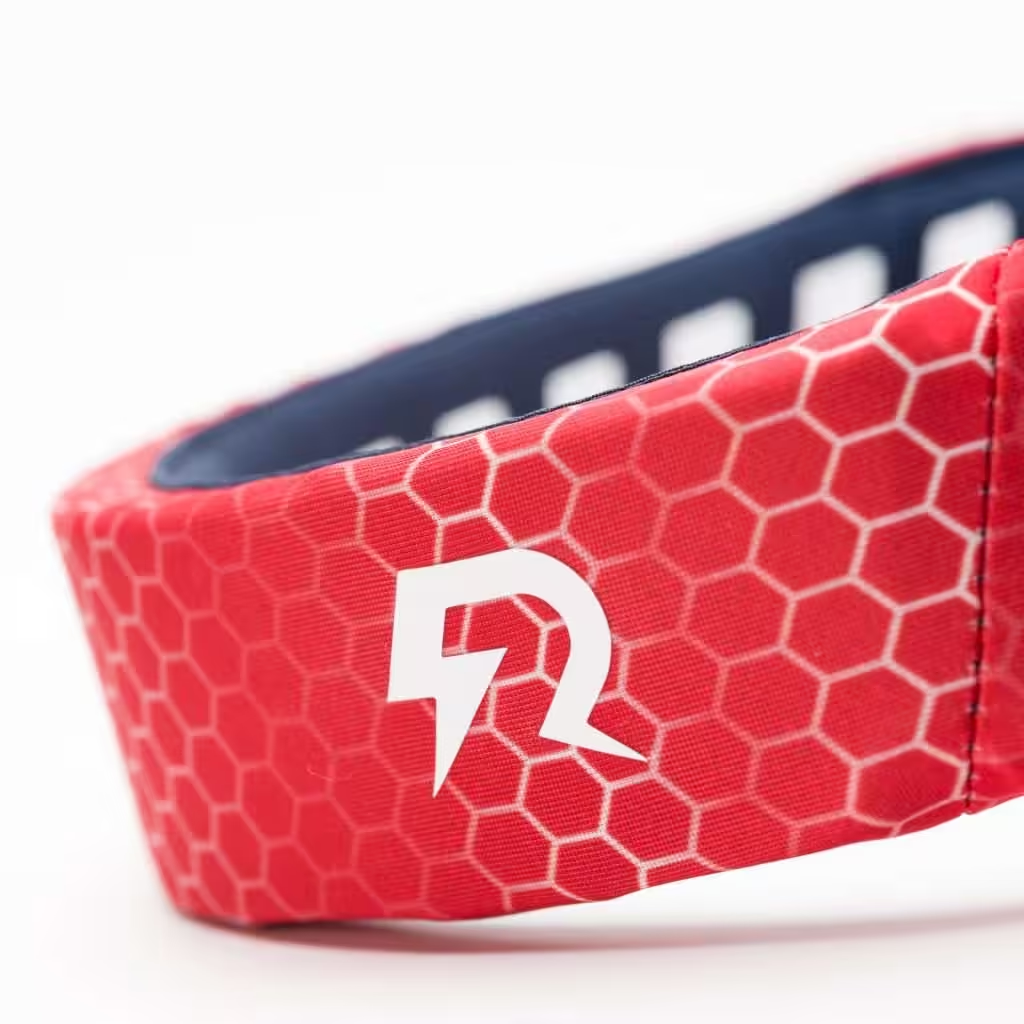
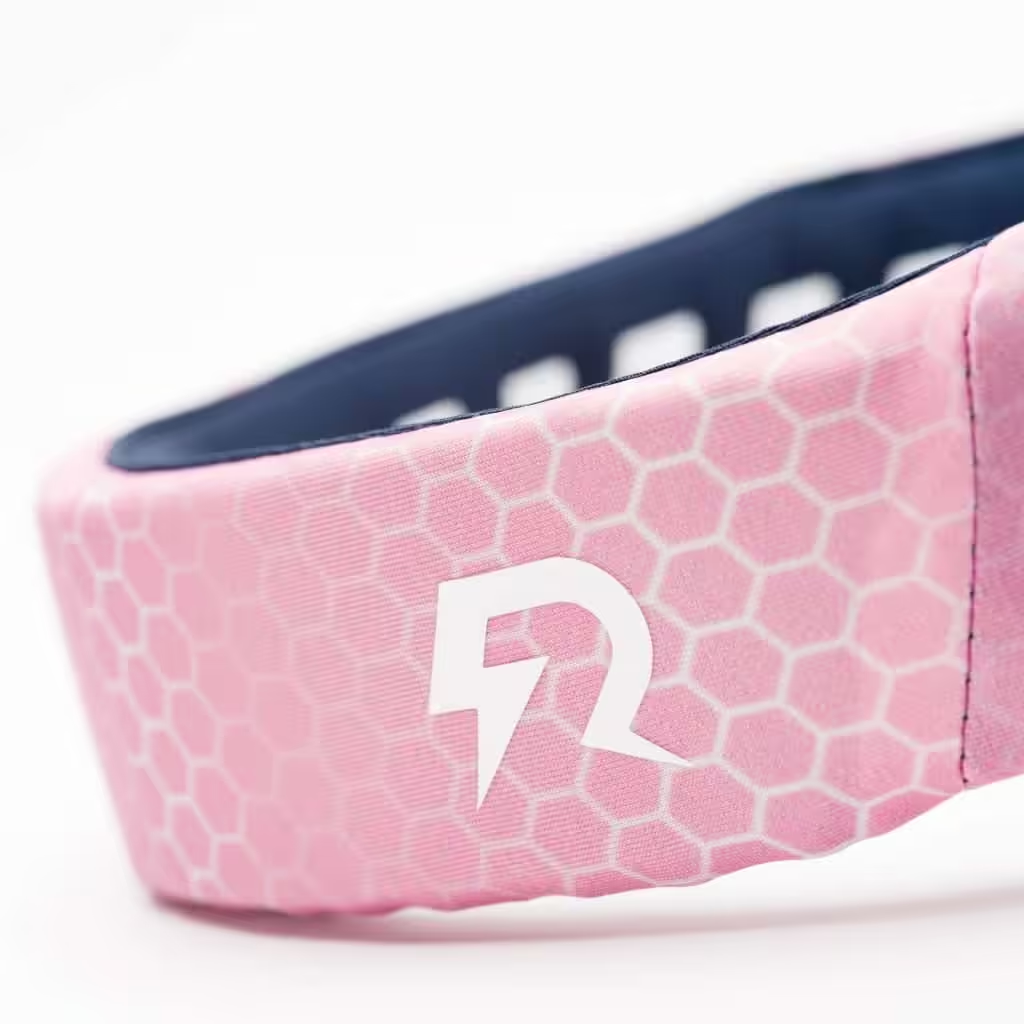
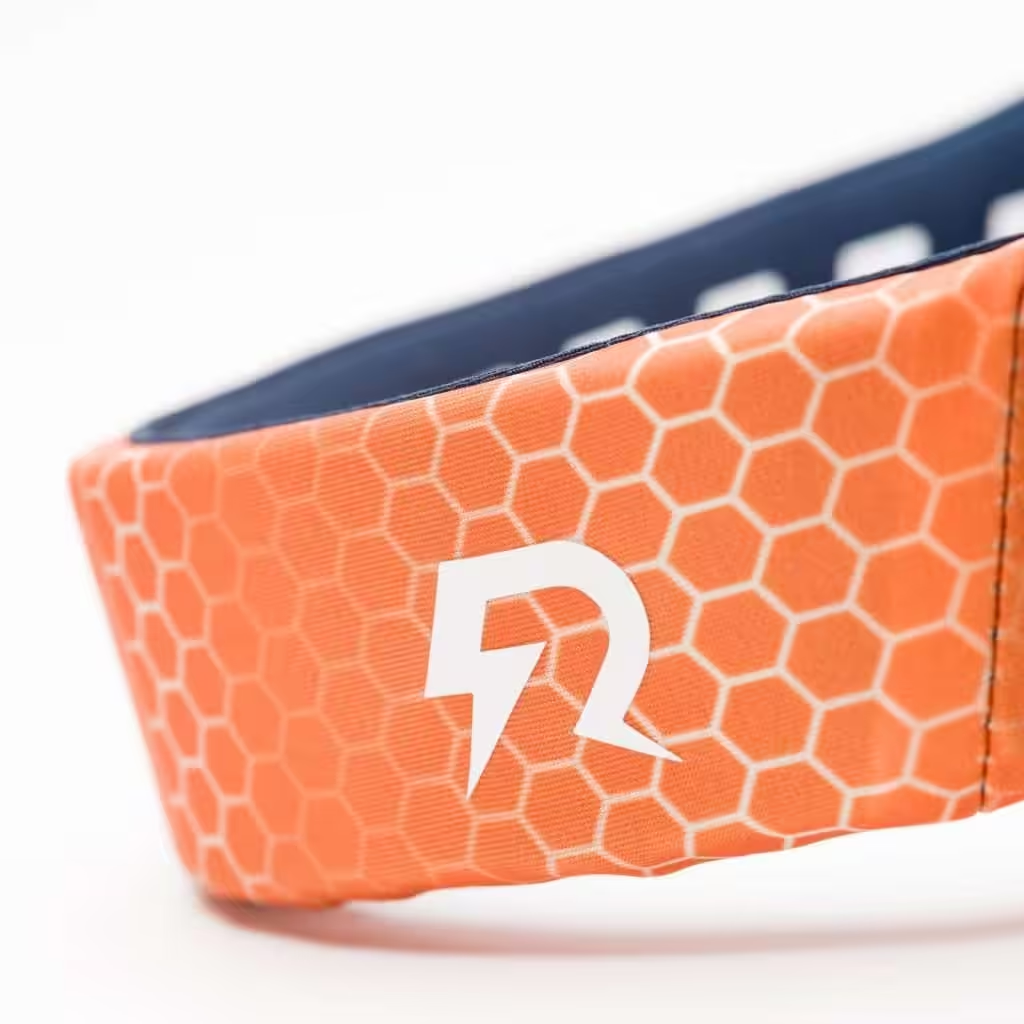
Rezon Halos®: Figure Skating Headguard
Halos® is a groundbreaking figure skating headguard that protects the brain. It’s the only head protection of its kind that is designed to reduce your risk of concussion and sub-concussive brain injury.
Why Halos®?
- Reduces concussion risk by 74%*
- Reduces rotational force to the brain by up to 61%, and linear force by up to 64%*
- Internationally recognised Virginia Tech 5-star safety rating
- CE/UKCA Category II PPE-certified
- Sleek, lightweight, flexible and hypoallergenic
- Available in a range of colours
- Water and tear-resistant
- Machine washable
*based on independent testing
Figure Skating Head Protection: Why the New Research Matters
The new study provides a timely reminder that concussion deserves serious consideration in figure skating. Almost one in four figure skaters in the study reported a history of diagnosed concussion, with the median age at first concussion among affected figure skaters just 14.5 years.
Alongside broader ice-skating injury research, the findings demonstrate why head impacts should not be overlooked simply because a sport does not involve routine physical contact. The science of rotational acceleration also helps explain why an impact to the head can have consequences beyond visible cuts, bruises or superficial injury.
As figure skating grows in popularity, particularly following the success of the 2026 Winter Olympics, skaters, parents and coaches have an opportunity to become better informed about brain injury risks and protective equipment.
Protecting the brain begins with understanding the forces that cause injury and recognising the importance of scientifically evaluated protection.
Frequently Asked Questions About Head Injury in Figure Skating and Ice Skating
- Epidemiological Characteristics of Sport-Related Concussions in Elite Winter Sport Athletes: A Cross-sectional Study From the Japan Institute of Sports Sciences. Goto K, Hangai M, Nishida Y, Shigemoto R, Nakajima K. Orthopaedic Journal of Sports Medicine, 14(10). 2026.
- Orthopaedic Injury Patterns Related to Ice Skating, Inline Skating, and Roller Skating: A 20-Year Epidemiologic Analysis. 2023.
- State of the Sport Address from U.S. Figure Skating CEO Matt Farrell. U.S. Figure Skating. 2026.
- Team Canada Update. Canadian Olympic Committee and Skate Canada. 2026.
- Rotational acceleration, brain tissue strain, and the relationship to concussion. Post A, Hoshizaki TB. Journal of Biomechanical Engineering, 137(3). 2015.
- Virginia Tech Helmet Lab Results.
Author: Alex Reily