


Why Ava Seelenfreund Wears Rezon Halos®
Playing professional football for Real Sociedad in Spain’s Liga F, Ava Seelenfreund understands the importance of protecting her brain.
Growing up in an active sporting family, Ava learned from an early age that protecting her brain was an important part of participating in sport. A concussion while skiing as a teenager reinforced that understanding, shaping how she thinks about head impacts and long-term brain health.
Today, competing at the highest level of women’s football, Ava chooses to wear Rezon Halos® – independently tested brain protection designed to reduce the rotational forces and accumulated damage of sub-concussions associated with brain injury.
“I think that your brain is the most important part of your body. It makes the most sense to me to take any extra precaution that there is to protect it.”
— Ava Seelenfreund, Real Sociedad Femenino
A Concussion That Reinforced the Importance of Brain Protection
Growing up in Truckee, California, Ava Seelenfreund was surrounded by sport from an early age. Her mother introduced her to football (soccer), coaching her first youth teams from the age of 3, while her father worked in ski patrol. Skiing, football and outdoor activities were an integral part of family life.
Protecting the brain was something Ava grew up understanding. Her father regularly encountered head injuries through his work on the slopes and emphasised the importance of taking precautions when participating in sport. But when Ava was around 13 or 14, an experience on the ski slopes brought that understanding into sharper focus.
While skiing with her team, another person turned across her path, causing a collision in which Ava struck her head. Despite wearing a ski helmet, she suffered a concussion. She remembers feeling dazed after the impact, experiencing sensitivity to light and not feeling herself for several weeks afterwards, including when returning to football.
“I had a helmet on, all the normal protective gear for skiing, and I still got pretty rocked.”
The experience reinforced something her father had impressed upon her throughout her childhood: the brain is vulnerable to injury, even when precautions are taken. It was a lesson that would stay with her as her football career progressed.
“My dad has always instilled in us as kids that protecting your brain is the most important thing.”
For Ava, understanding the importance of brain protection in football isn’t simply a reaction to one concussion. It is a principle shaped by her upbringing, strengthened by personal experience and carried into her professional sporting career.
From Brown University to Real Sociedad: Who Is Ava Seelenfreund?
Ava’s journey into professional football began in her hometown of Truckee, where she developed her athleticism through a wide range of sports. After playing competitive youth football, she earned a place at Brown University, becoming a leading goalscorer, team captain and an important contributor to the university’s football success.
Her performances opened the door to European professional football, beginning with SCU Torreense in Portugal. Ava helped transform the club’s fortunes, progressing from avoiding relegation to winning domestic titles and qualifying for European competition. Her success attracted the attention of Real Sociedad, where she now competes in Spain’s Liga F [1].
“My goals had always been to keep levelling up my play, my conditions and my environment. Making it to the Spanish league has been a testament to trying to get better, improve myself and keep growing.”
Ava describes herself as an athletic, aggressive and committed player who enjoys the physical aspects of football.
From challenging for headers and making tackles to committing fully to attacking and defensive situations, she is comfortable playing in demanding, high-contact environments. But her commitment to performance extends beyond what happens on the pitch.
She takes a disciplined approach to sleep, recovery, nutrition and physical conditioning, believing that looking after her body is fundamental to performing at her best. That commitment also extends to protecting her brain.

Why Ava Believes Brain Protection Matters in Football
For Ava, understanding the risks of brain injury in football begins with recognising how frequently players experience head impacts. Heading is an established part of the game, but it is far from the only situation in which the brain can be exposed to potentially harmful forces. Accidental head-to-head collisions, falls, contact with the ground and other players all create opportunities for impacts during matches and training. Ava is also particularly conscious of the repetition involved in some training drills.
“Sometimes in training you could get four or five pretty strong balls consecutively, one after another. I’ve been in that situation thinking, wow, that was a lot.”
The risk to the brain in football extends far beyond diagnosed concussions. Repeated sub-concussions, smaller-force head impacts that cause microscopic brain injury without symptoms, occur far more frequently and cause brain damage that accumulates over years of playing sport [2, 3].
At the centre of this injury mechanism are rotational forces. When the head is struck, rotational forces cause the brain to rotate inside the skull, twisting and shearing brain cells and tearing tiny blood vessels. This is associated with tearing of tiny blood vessels and brain cells resulting, over time, in the breakdown of the blood-brain barrier and the creation of damaging neuro-inflammation [4].
It is this accumulated exposure to repetitive sub-concussive head impacts that is associated with an increased risk of long-term neurodegenerative disease, including Chronic Traumatic Encephalopathy (CTE) [5]. Reducing the rotational forces transmitted to the brain is therefore important not only for concussion risk, but more so for limiting the cumulative burden of sub-concussive brain injury.
For Ava, awareness of these risks makes protecting her brain a logical decision.
“Being in a high-risk environment for multiple repetitive hits to the brain, I think it makes a lot of sense. Just like wearing a helmet when you’re skiing makes sense because you’re at risk, wearing a headband when I play soccer also just makes sense.”
Her perspective is also informed by experience playing in different countries. Having competed in the United States, Portugal and Spain, Ava has observed different levels of awareness and discussion surrounding concussion and brain protection. She believes professional footballers should take the subject more seriously and that greater awareness can help athletes make informed decisions about protecting their brain. For Ava, brain protection is ultimately part of a wider commitment to her long-term health.
“I want to live a long, happy, cognisant life, and I know that having good brain health is imperative for that.”

Why Ava Chose Rezon Halos®
Ava’s understanding of brain protection led her to look closely at the options available to footballers. What attracted her to Rezon Halos® was the science behind its design.
Unlike conventional sports headwear designed primarily around cushioning or absorbing linear impact forces, Rezon Halos® was developed specifically to reduce the transmission of rotational forces associated with brain injury.
Its patented Rotection® technology combines multiple layers engineered to slide and deform during an impact, reducing the rotational energy transmitted through the protective system. For Ava, the availability of independent scientific testing and the research underpinning the product were particularly compelling.
“I was immediately drawn towards the more science-backed information that the website had.”
Alongside the technology, Ava appreciated the low-profile appearance of Halos®. Designed to be lightweight and unobtrusive, Halos® provides protection around the front, sides and back of the head without covering the entire scalp.
For Ava, the combination of scientific evidence, innovative design and suitability for professional football made Rezon Halos® the right choice.
Ava’s Message to the Next Generation of Footballers
Ava believes protecting the brain should be viewed as a positive, empowering decision rather than something that makes a player different from their teammates.
Throughout her career, she has seen varying attitudes towards head protection, particularly when moving between football cultures. She recognises that young athletes may be reluctant to wear something unfamiliar or different from their peers. But her advice is to focus on why protecting the brain matters.
For Ava, protecting her brain isn’t about playing cautiously or compromising her ambition. She remains an aggressive, competitive professional footballer, committed to improving her performance and competing at the highest possible level. Protecting her brain is simply another part of looking after herself, both for her career today and her life beyond football.
Her decision reflects a belief that more players should have the information and opportunity to make informed choices about brain protection.

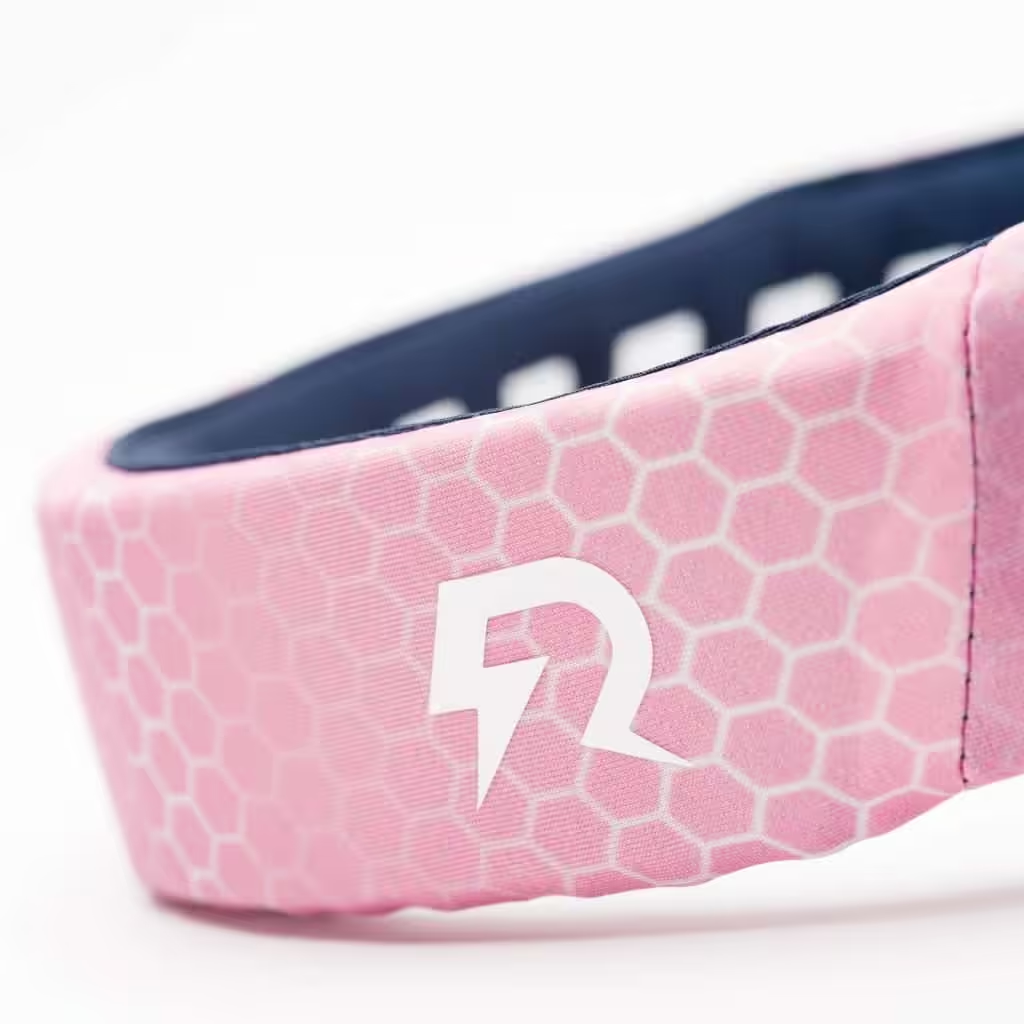
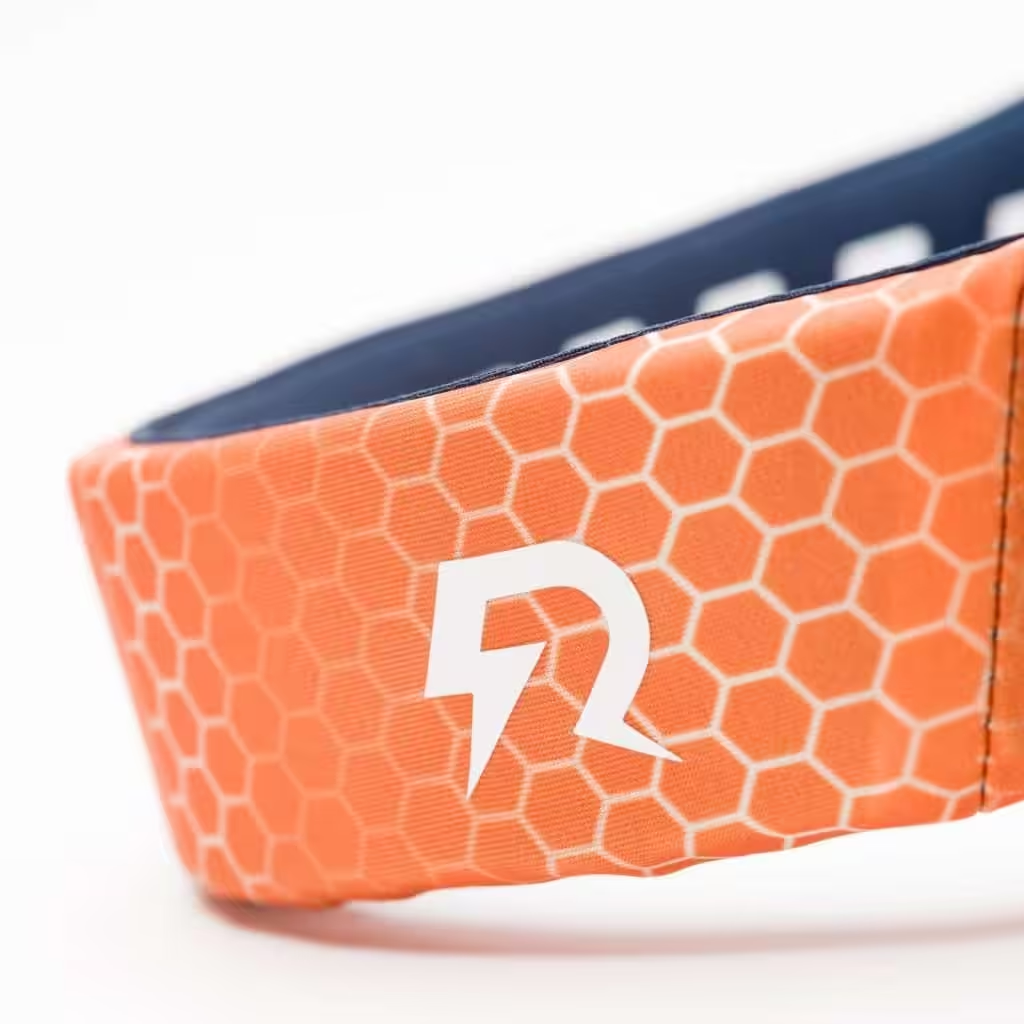
The Science Behind Ava’s Choice: Rezon Halos®
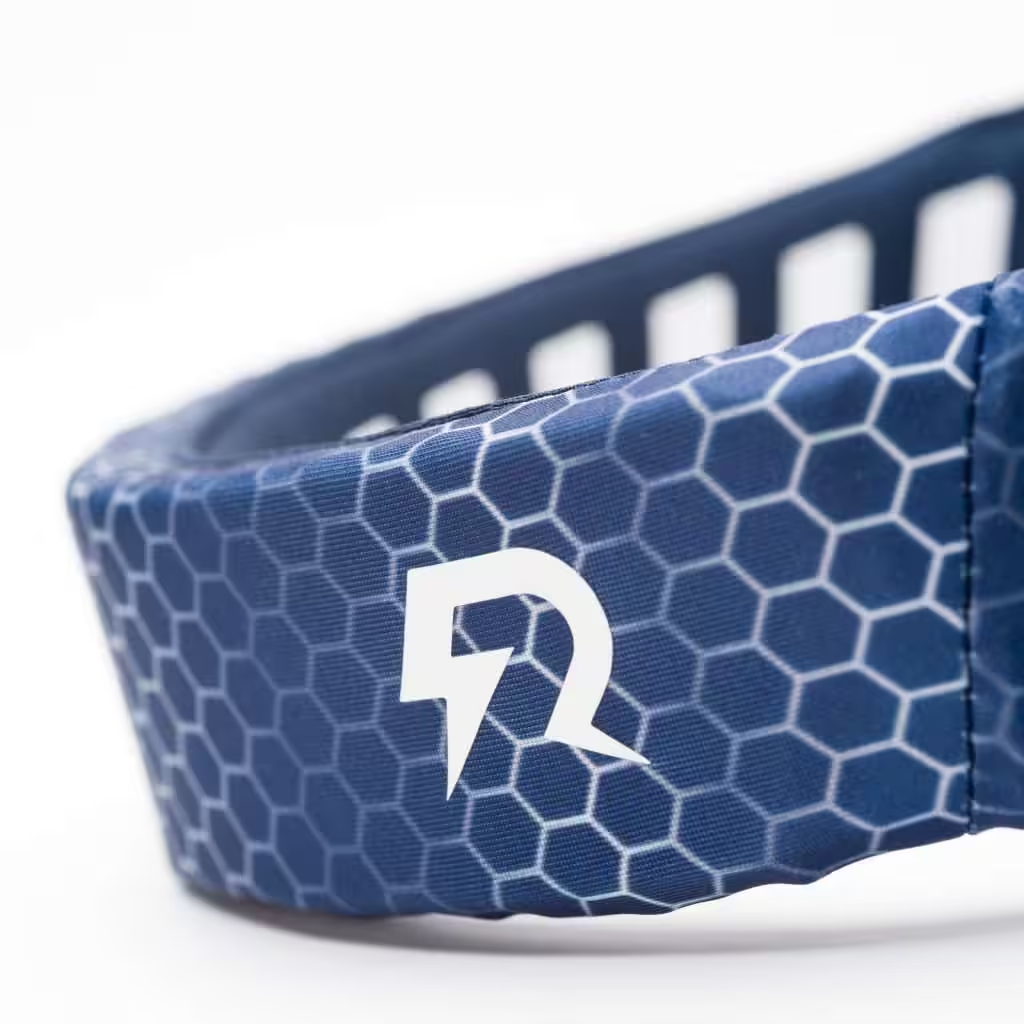
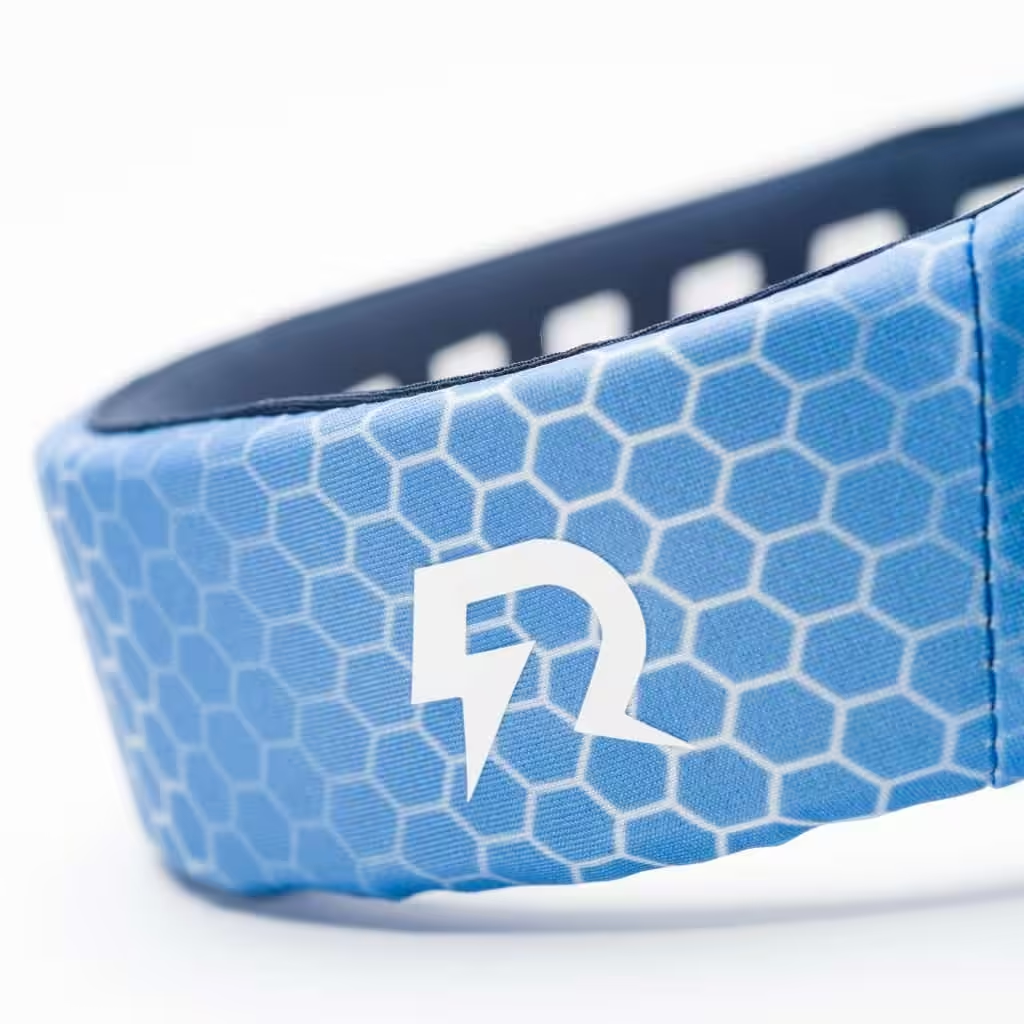
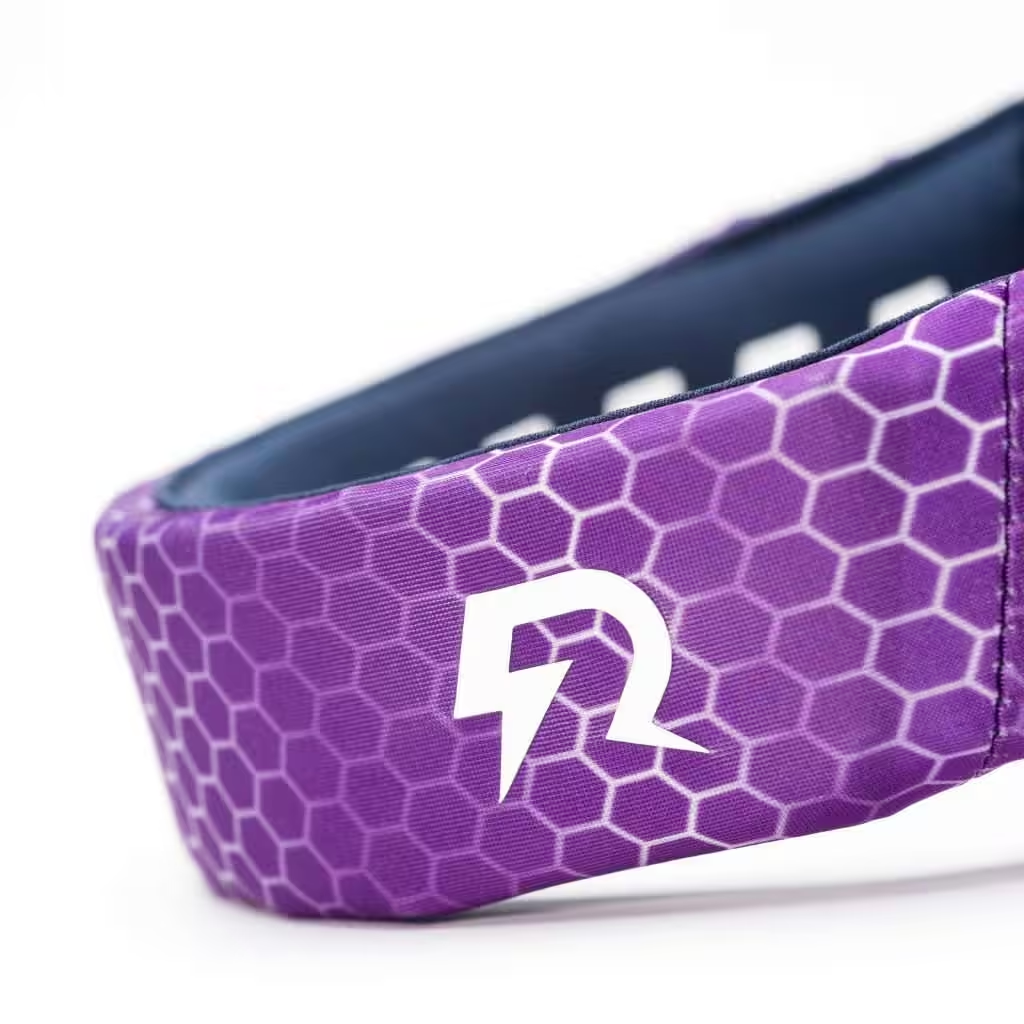
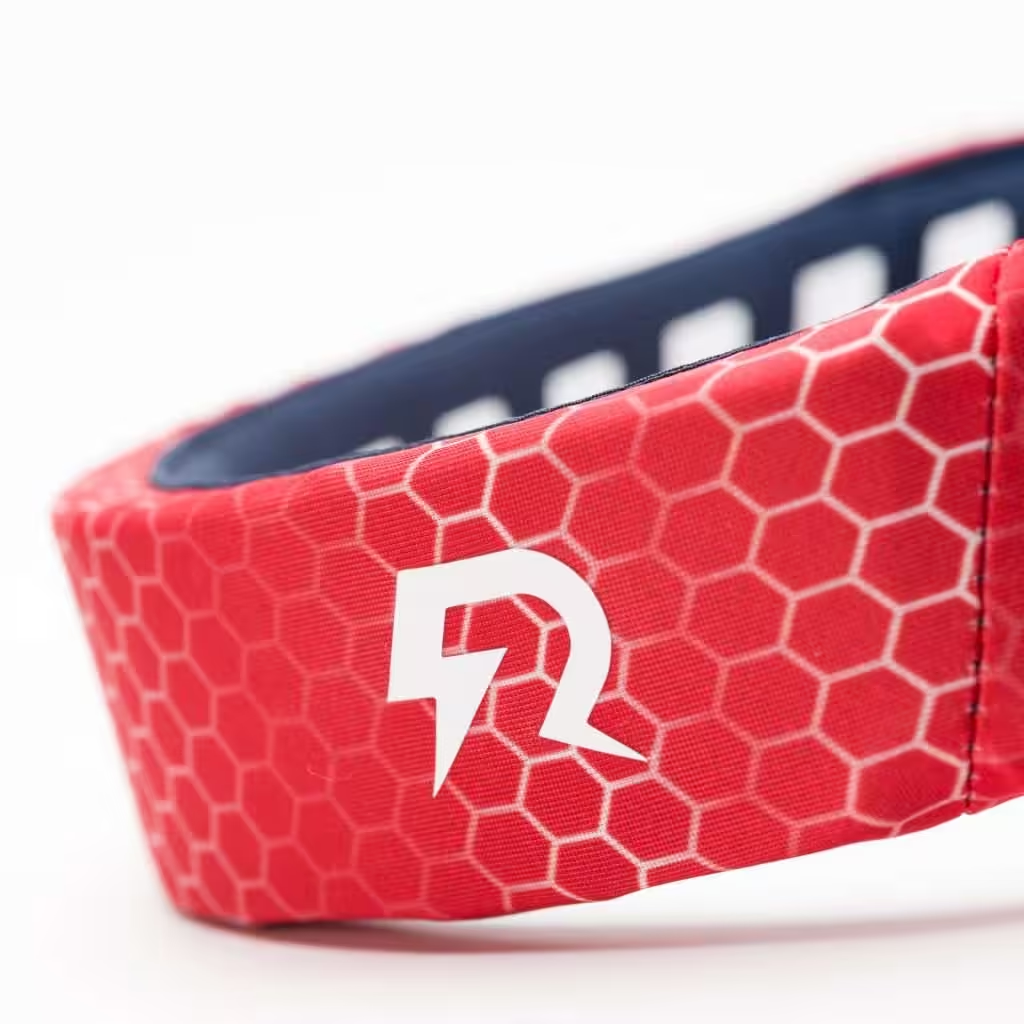
Halos® is a groundbreaking football headband that protects the brain. It’s the only headgear of its kind that is designed to reduce your risk of concussion and developing Chronic Traumatic Encephalopathy (CTE) from the accumulated damage of sub-concussions.
Why Halos®?
- Reduces concussion risk by 74%*
- Reduces rotational force to the brain by up to 61%, and linear force by up to 64%*
- Internationally recognised Virginia Tech 5-Star safety rating [6].
- CE/UKCA Category II PPE-certified
- FIFA Law 4 compliant [7].
- Sleek, lightweight, flexible and hypoallergenic
- Water and tear-resistant
*based on independent testing
As seen in








- Gol con acento americano. Official announcement of Ava Seelenfreund joining Real Sociedad Femenino. Real Sociedad de Fútbol. 2026.
- Diffusion Imaging of Sport-related Repetitive Head Impacts: A Systematic Review. Koerte, I.K., et al. Neuropsychology Review, 33, 122–143. 2023.
- Quantified Head-Ball Impacts in Soccer: A Preliminary, Prospective Study. McCloskey, H., et al. Neurotrauma Reports, 6(1), 928–943. 2025.
- Rotational Acceleration, Brain Tissue Strain, and the Relationship to Concussion. Post, A. & Hoshizaki, T.B. Journal of Biomechanical Engineering, 137(3). 2015.
- Leveraging football accelerometer data to quantify associations between repetitive head impacts and chronic traumatic encephalopathy in males. Daneshvar, D.H., et al. Nature Communications, 14, 3470. 2023.
- Soccer Headgear Ratings. Independent laboratory evaluation of soccer headgear using the STAR methodology, including Rezon Halos®. Virginia Tech Helmet Lab.
- Law 4 – The Players’ Equipment. Official Laws of the Game governing permitted protective equipment and head covers. International Football Association Board (IFAB). 2026–27.