Former Australian cricketer Will Pucovski’s legal action against Brighton Grammar School brings brain protection responsibility for children in sport into sharper focus. He alleges that a concussion during school Australian rules football training in 2014, and the school’s response, left him with lasting brain injury and greater vulnerability to subsequent concussions. He retired from professional cricket in April 2025, aged 27 [1].
The consequences of decisions made around not protecting a child’s brain can outlast their school years, impact their future sporting career and later life brain health. That means every parent, coach, school and club should be paying attention around brain protection in light of increasing understanding of brain injury in sport.
A Warning Beyond One School
Pucovski’s action sits within a wider reckoning around brain injury in sport: the largest medicolegal case globally involving World Rugby, litigation against the FA and EFL, and the withdrawal of brain injury cover from part of AFL players’ superannuation-linked insurance [2, 3, 4, 5].
As I have argued in my commentary on the FA’s legal defence, disputes about historical knowledge leave today’s adults with a responsibility for children and players with an immediate question: what are you doing with the knowledge around brain injury available now?
Being entrusted with a child’s health is a privileged position. It brings an added responsibility to understand the risks they face and examine the brain protection available to them. That responsibility cannot simply be passed to somebody else.
Ignorance Is Not an Excuse
Brain injury risk starts in childhood, from the first exposure to sub-concussive impacts. A sub-concussion results from an impact of lower force than required to cause a concussion, but causes damage to the brain without any symptoms. Sub-concussive impacts are 500 times more frequent than impacts which result in concussion. This means that while not every youth player will suffer a concussion, they will typically take hundreds, and even thousands of sub-concussions every season. Rotational forces are present in concussive and sub-concussive impacts. These forces stretch and shear brain tissue, placing strain on its cells and structures [8].
Whilst an individual sub-concussion is asymptomatic; multiple sub-concussions can adversely affect memory, the ability to focus, learn and think, as well as behaviour. Measurable changes to white matter have been measured in children aged 8 to 13 after just one season of contact sport, despite no diagnosed concussions being reported [7, 9].
The long-term neurological risks associated with sub-concussions and rotational forces include CTE, motor neurone disease and Parkinson’s disease. Research links CTE to cumulative sub-concussions, and studies associate repeated head injury or contact-sport participation with increased MND and Parkinson’s risk [6, 10, 11].
Cumulative brain injury exposure begins with a child’s first sub-concussive impact; it does not wait for adulthood, professional sport or even a diagnosed concussion. Brain protection therefore needs to begin when exposure begins, with parents, coaches and schools making decisions on a child’s behalf [6, 7].
The scientific knowledge on sub-concussions is already available in published medical papers and accessible explanations by brain experts. Parents, coaches and schools do not need to become neuroscientists, but they do need to inform themselves about the modern understanding of brain injury in sport and beyond the scope of concussion.
This evidence around rotational forces and sub-concussions will not disappear because it is inconvenient or only available to an informed population. What the brain experts know today will increasingly become everyday public knowledge.
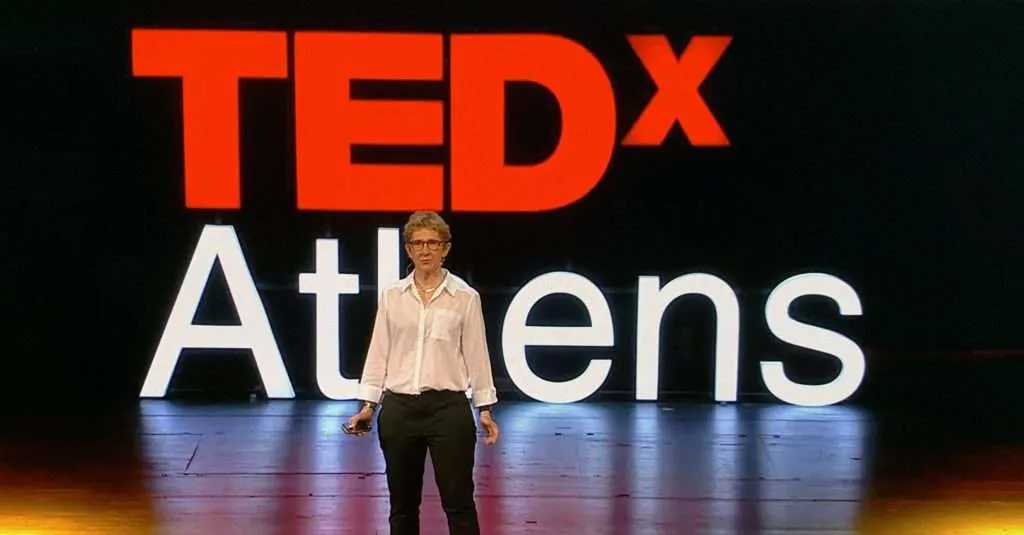
“The risk and severity of CTE is not caused primarily by single big-hit concussions, but by multiple smaller sub-concussive blows to the head and body. Failure to grasp this critical discovery is too common, and presents a huge issue in understanding how to tackle CTE.”
Dr Emer MacSweeney – CTE: The silent killer in contact sports | TEDxAthens
We Can Reduce Rotational Forces Now
Today we have technology that reduces the transmission of rotational forces in concussive and sub-concussive head impacts. This is not the whole solution to brain injury in sport, but it is an effective mitigation to lower brain injury risk.
Rezon Halos® is engineered for that purpose. Independent Virginia Tech laboratory testing demonstrated up to a 61% reduction in peak rotational acceleration in head-to-head impacts [12]. Virginia Tech awarded Rezon Halos® the highest possible 5-Star rating.
That gives parents, schools and clubs a protective option to reduce the biomechanical loading to the brain from head impacts in sport. The independent testing evidence is available for them to examine.
Perfect can not be the enemy of good. Waiting for a complete, universally accepted and sport endorsed brain protection solution is merely a choice to disregard a measurable reduction in brain injury risk that can be achieved today. The children of today will in the future ask why they were exposed to avoidable risk today, and without doubt more will follow the legal route taken by Will Pucovski.
Responsibility Belongs to You
Children will not thank their parents, coaches or schools for permitting avoidable rotational forces and sub-concussion damage to accumulate, then explaining years later that “someone told me it was OK” or “I didn’t know” or ” I followed others”.
If you do not know about the mechanics of brain injury, why sub-concussions matter in triggering neurodegenerative consequences, and the physicality of the brain to rotational forces, then find out. Read the science. Ask what the “protective” equipment a child wears is designed to protect. Investigate what independent testing shows about a product’s ability to reduce rotational forces and the accumulated damage from sub-concussions.
For parents, coaches, schools, clubs and anyone exercising authority over a child in sport, Will Pucovski’s legal action against his former school is a wake up call to; 1) to make an informed brain protection decision while a child is still in your care; 2) as a organisation to consider brain protection choices in light of current knowledge and foreseeable future legal challenge; and 3) appreciate that concussion management is not the whole picture in reducing brain injury risk, more is now known on sub-concussions and this is the greater risk.
Children playing today will not accept ignorance as an excuse tomorrow.

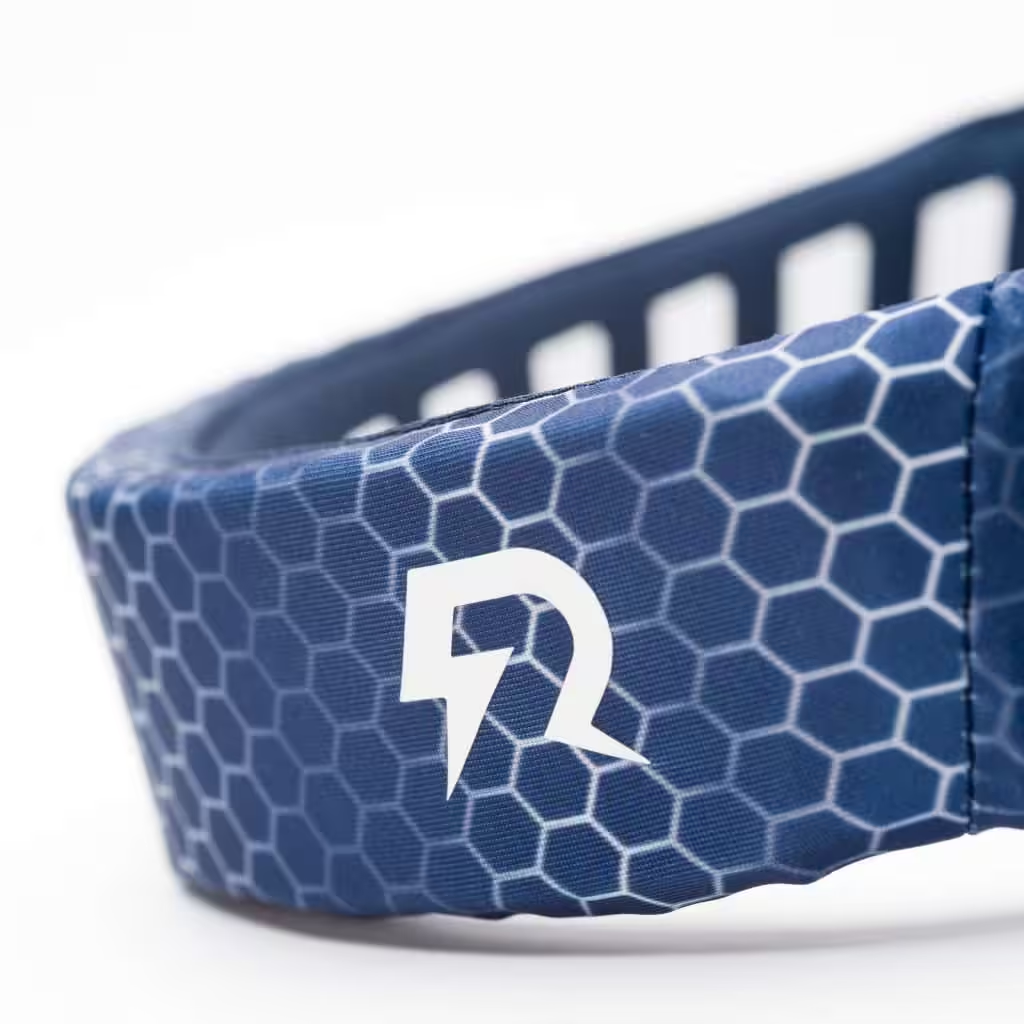
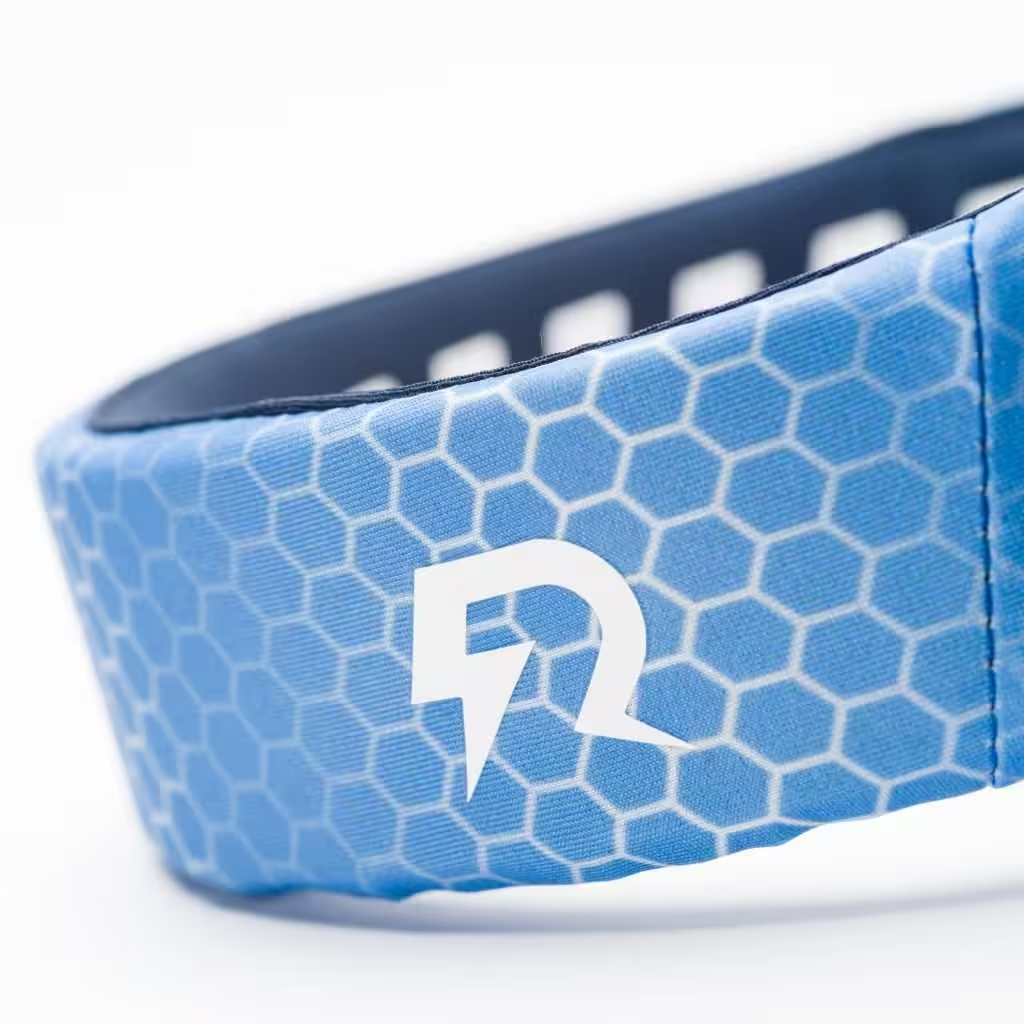
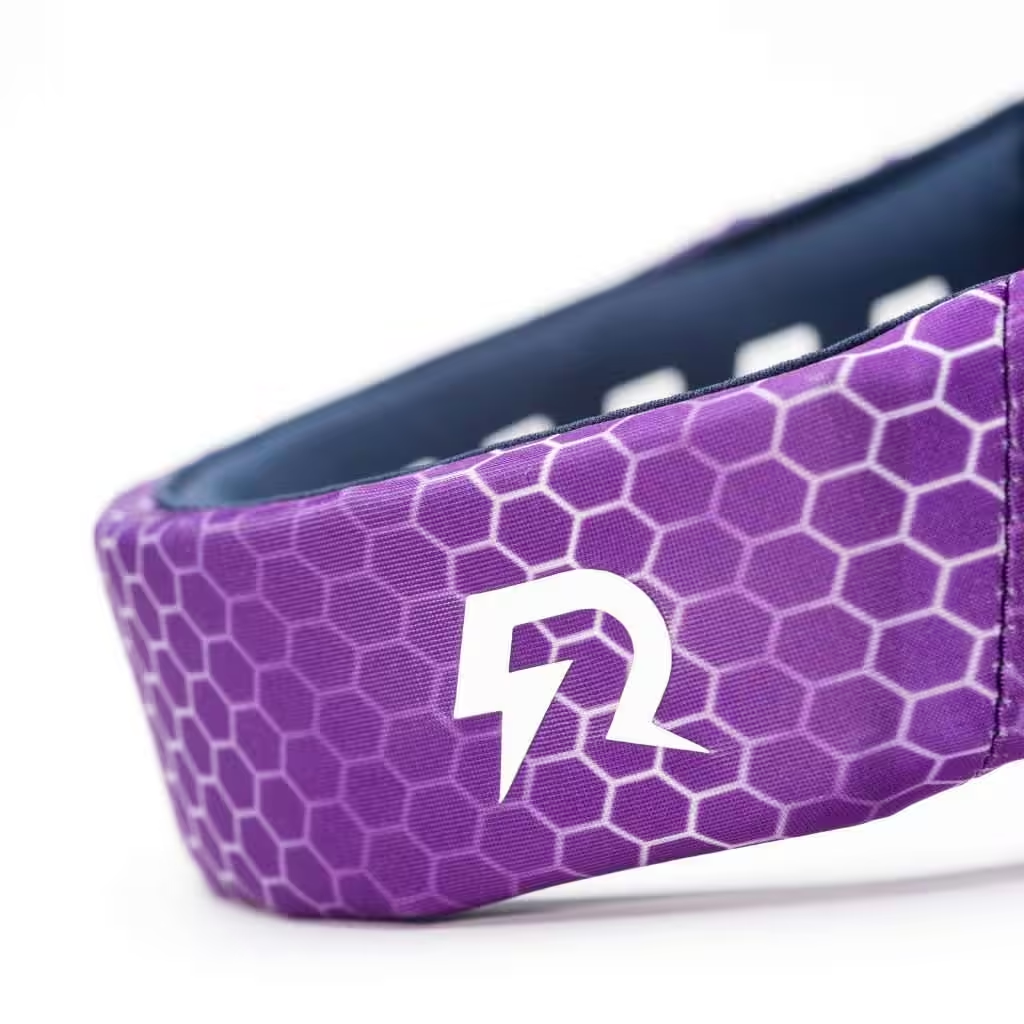
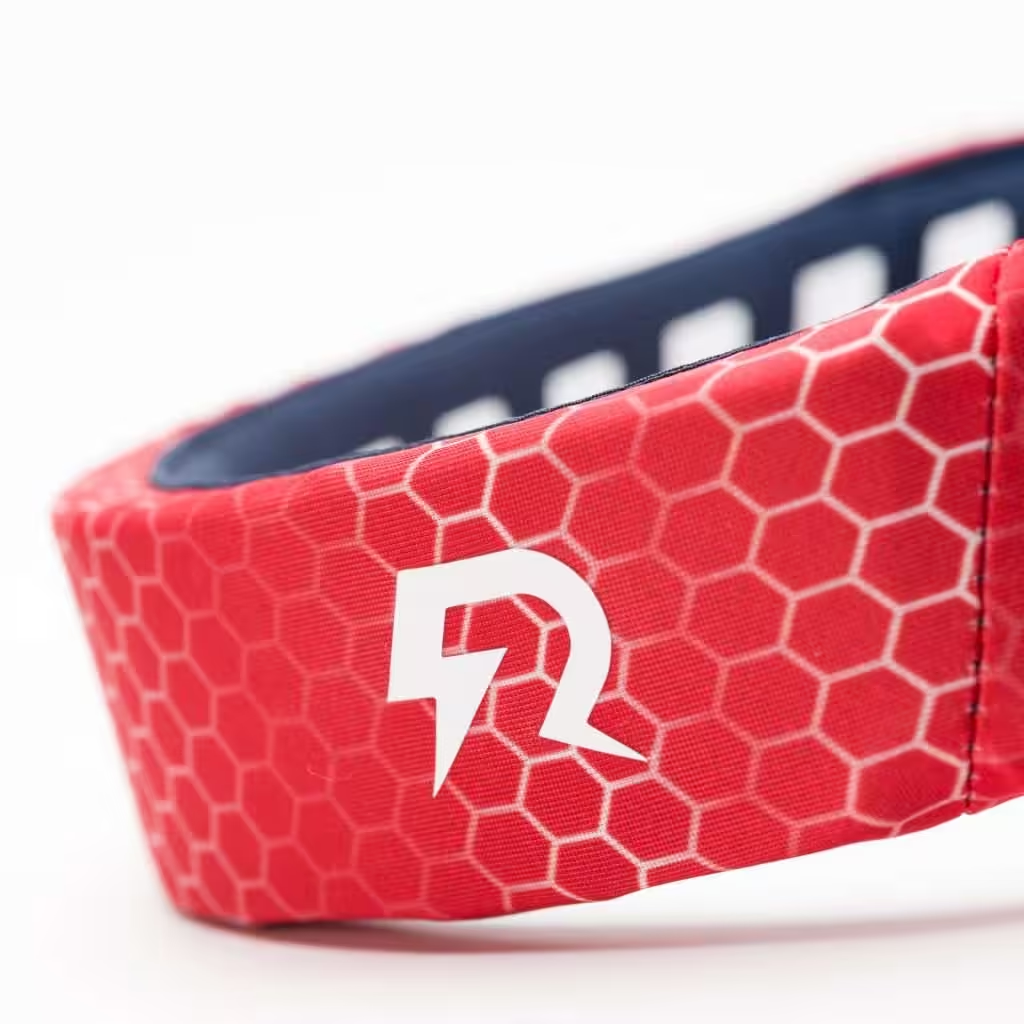
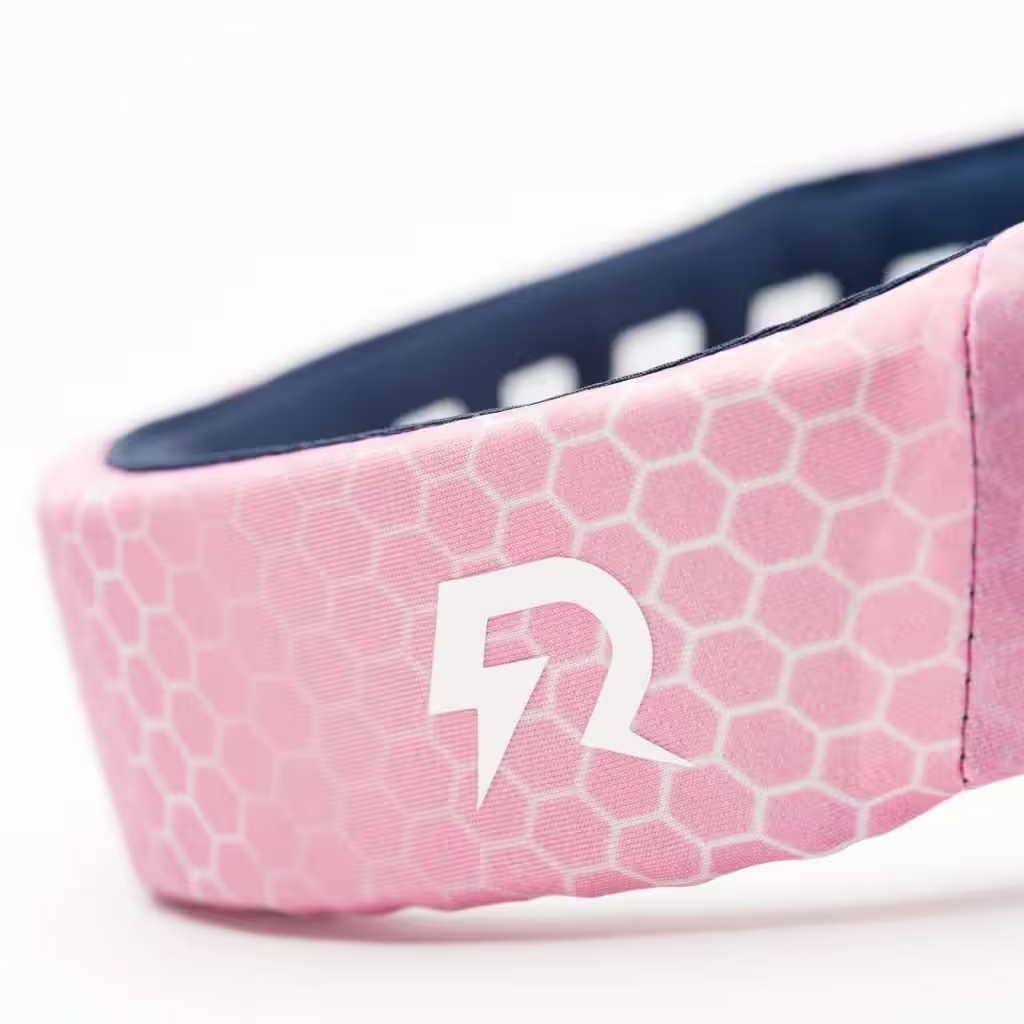
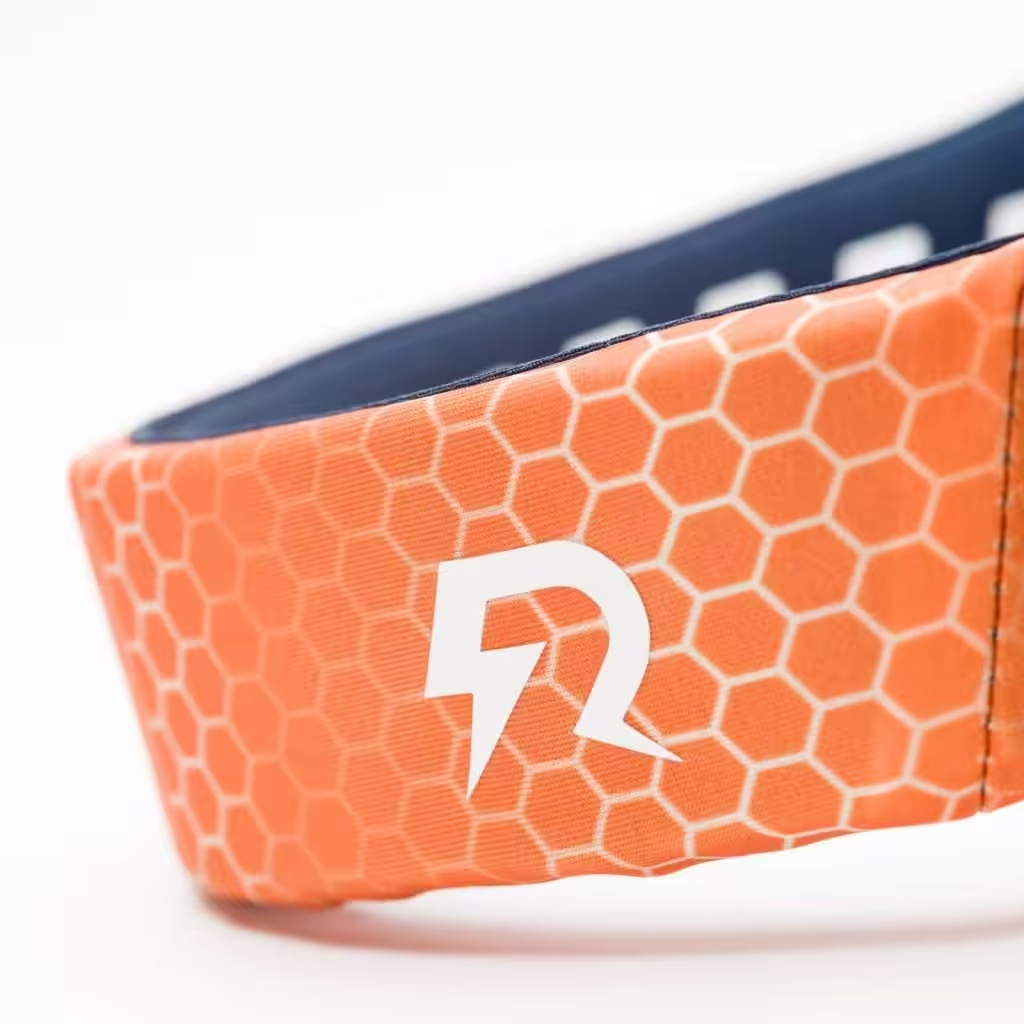
Rezon Halos®: Brain Protection in Sport
Halos® is a groundbreaking headband that protects the brain. It’s the only headgear of its kind that is designed to reduce your risk of concussion and developing Chronic Traumatic Encephalopathy (CTE) from the accumulated damage of sub-concussions.
Why Halos®?
- Reduces concussion risk by 74%*
- Reduces rotational force to the brain by up to 61%, and linear force by up to 64%*
- Internationally recognised Virginia Tech 5 star safety rating
- CE/UKCA Category II PPE-certified
- Sleek, lightweight, flexible and hypoallergenic
- Water and tear-resistant.
*based on independent testing
- Cricketer Will Pucovski sues Brighton Grammar School over alleged concussion. Brown M. ABC News. 2026.
- World Rugby denies liability in defence to ex-players’ UK concussion lawsuit. Reuters. 2026.
- Legal action over brain injuries in football. BBC. 2024
- Official NFL Concussion Settlement. NFL Concussion Settlement.
- AFL players to lose insurance coverage for brain injuries. ABC News. 2026.
- Leveraging football accelerometer data to quantify associations between repetitive head impacts and chronic traumatic encephalopathy in males. Daneshvar DH, Nair ES, Baucom ZH, et al. Nature Communications. 2023.
- Subconcussive Head Impact Exposure and White Matter Tract Changes over a Single Season of Youth Football. Bahrami N, Sharma D, Rosenthal S, et al. Radiology. 2016.
- Predictors for traumatic brain injuries evaluated through accident reconstructions. Kleiven S. 2007.
- Repeated head trauma causes neuron loss and inflammation in young athletes. Butler MLMD, Pervaiz N, Breen K, et al. Nature. 2025.
- Sports and trauma as risk factors for Motor Neurone Disease: New Zealand case–control study. Chen GX, et al. Acta Neurologica Scandinavica. 2022.
- American Football Play and Parkinson Disease Among Men. Bruce HJ, et al. JAMA Network Open. 2023.
- Independent product testing for Rezon Halos®. Further reading. Rezon.
Author: Judith McMinn