New York Mets first baseman Jared Young and pitcher Nolan McLean collided while attempting to field a ground ball. McLean’s knee struck Young on the side of the head, knocking him unconscious.
Young was taken from the field on a stretcher and transported to hospital. A CT scan found no brain bleed, but he was diagnosed with concussion and ruled out for the remainder of the season. In the days that followed, he reported headaches and short-term memory loss. Almost two weeks later, he said he was still experiencing concussion symptoms, neck stiffness and lingering hearing problems [1, 2].
It was a frightening incident. It was also a useful reminder of a problem that sport still tends to approach too narrowly.
Baseball is not a contact sport. Yet the impact forces involved in a collision do not change according to the category we assign to the sport. Brain injury is a risk in every sport because the brain doesn’t care how an impact occurs; it simply responds to the biomechanical forces it is exposed to.
63.8%
37 of 58 baseball and softball concussions in a 2024 study occurred while fielding.
31%
18 of the 58 concussions were caused by head-to-head or head-to-body contact.
Why Rotational Forces Matter
Young was struck on the side of the head by McLean’s knee. In head impacts of this nature the brain is exposed to both linear and rotational forces.
Rotational acceleration is of particular importance because the white and grey matter of the brain is made up of differing densities, which means the jelly-like brain sections move at different speeds when rotated. This causes twisting of the brain inside the skull, shearing of brain cells, tearing of the tiny blood vessels that surround the brain cells, brain cell death and the disruption of the brain’s nerve cell connectivity networks [3].
An athlete does not need to be playing rugby, American football or ice hockey to experience the type of rapid head movement associated with concussion. An accidental collision on a baseball field can create the same fundamental problem.
Young’s season is now over. His journey back to baseball is unknown, but concussion is not a short-lived injury. A 2025 systematic review involving more than half a million adults found that a significant minority experience persistent symptoms after concussion, while longer-term studies have documented symptoms continuing for 12 months or more in some patients [4].
Concussion is Not Unusual in Baseball
Young’s injury was dramatic, but concussion in baseball is not rare.
A 2024 study of baseball and softball athletes aged 12 to 23 found that almost two-thirds of the concussions studied occurred while fielding. Half were caused by head-to-ball impacts, while 31% involved head-to-head or head-to-body contact [5]. Player collisions are an established mechanism of injury, not a freak occurrence.
The same pattern is visible in younger athletes. A US study estimated almost 55,000 baseball and softball concussions presenting to emergency departments between 2012 and 2021 [6]. Head-to-ball impacts were the most common mechanism, but collisions with other players were also a significant cause.
Baseball, like all sports, will always contain unpredictability. Players converge on the same ball. Line drives are deflected. Bad hops occur. Fielders collide with teammates, opponents, walls and the ground.
Young and McLean both described their collision as an unfortunate baseball play [1]. That is exactly why brain protection cannot depend solely on eliminating the incident itself. Where an impact cannot always be avoided, athletes should have the opportunity to reduce the rotational forces transmitted when it happens.
This is the role of brain protection in sport.
Rezon Halos® is designed specifically to reduce both linear and rotational head acceleration. Independent Virginia Tech testing recorded reductions of up to 64% in peak linear acceleration and up to 61% in peak rotational acceleration [7, 8]. Separate independent head-to-ground testing also recorded reductions in both linear and rotational acceleration [7].
Rezon Halos® is designed around the biomechanics of brain injury and the physicality of the brain, rather than simply around visible injury to the outside of the head. Rezon Halos® is brain protection in sport.
Brain Protection and Head Protection Are Not the Same
Protective inserts and bump-cap-style products are sometimes worn in baseball. But conventional bump-cap safety standards are primarily concerned with protecting the skull and scalp [5]. They do not reflect the full biomechanics of an oblique sporting collision, where the head and brain rotate as well as move linearly.
EN 812:2012, the European standard for industrial bump caps, specifies protection against striking the head on hard, stationary objects where the likely injuries are lacerations or other superficial injuries. The standard explicitly states that industrial bump caps are not intended to provide protection against falling or thrown objects, or moving or suspended loads [9].
That distinction is important. A product can protect the scalp whilst leaving the brain exposed to rotational acceleration associated with brain tissue deformation. And this is where the language of “head protection” can become misleading. Protecting the scalp and skull from impact is not the same objective as protecting the brain.
For athletes who want to protect their brain, rotational forces are central to the conversation.
| Head Protection | Brain Protection |
|---|---|
| Designed to reduce cuts, abrasions and surface injuries | Designed to reduce brain injury risk |
| Typically focuses on reducing linear impact forces | Reduces linear forces and, more importantly, rotational forces, the primary driver of brain injury |
| Typically uses foam padding | Uses advanced protective technology engineered for brain safety |
| Protects the surface of the head | Designed specifically to protect the brain |
| Traditional all-head coverage sports headgear | Modern brain protection technology |

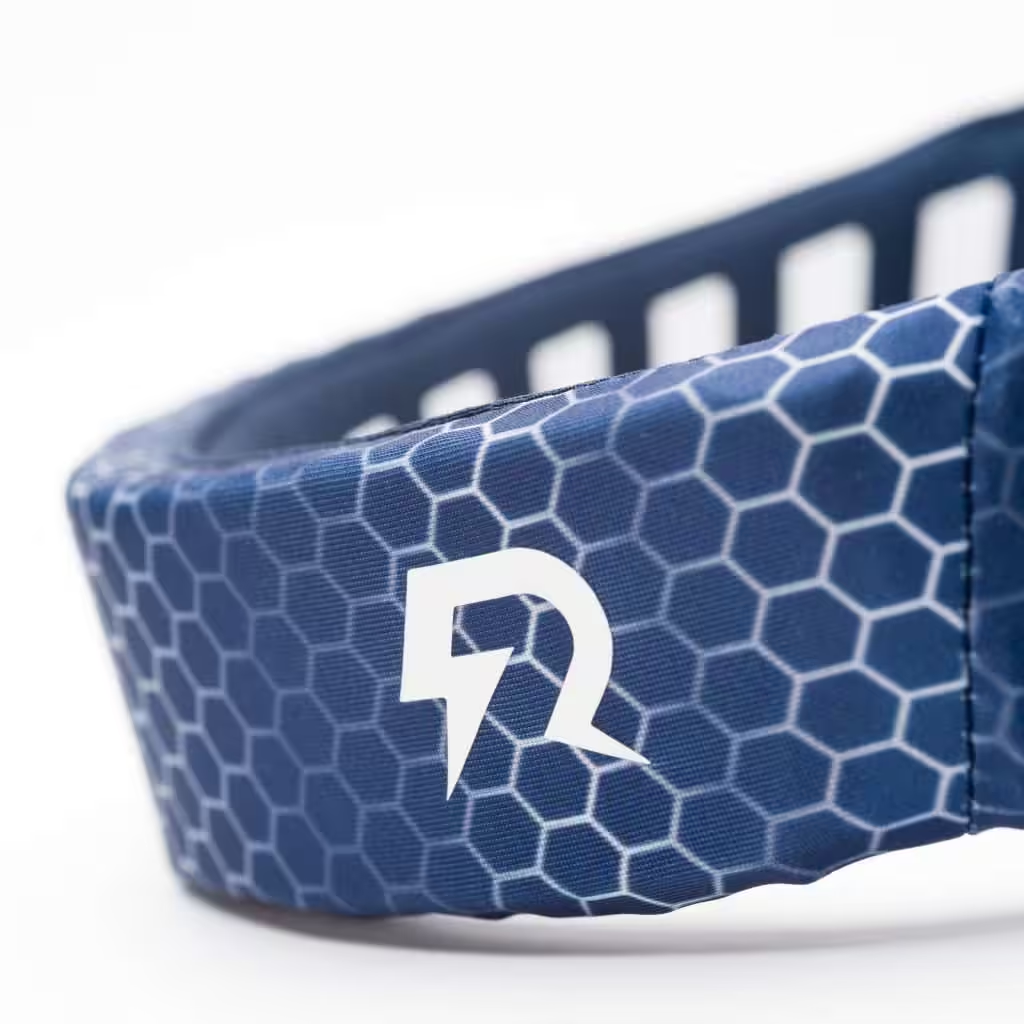
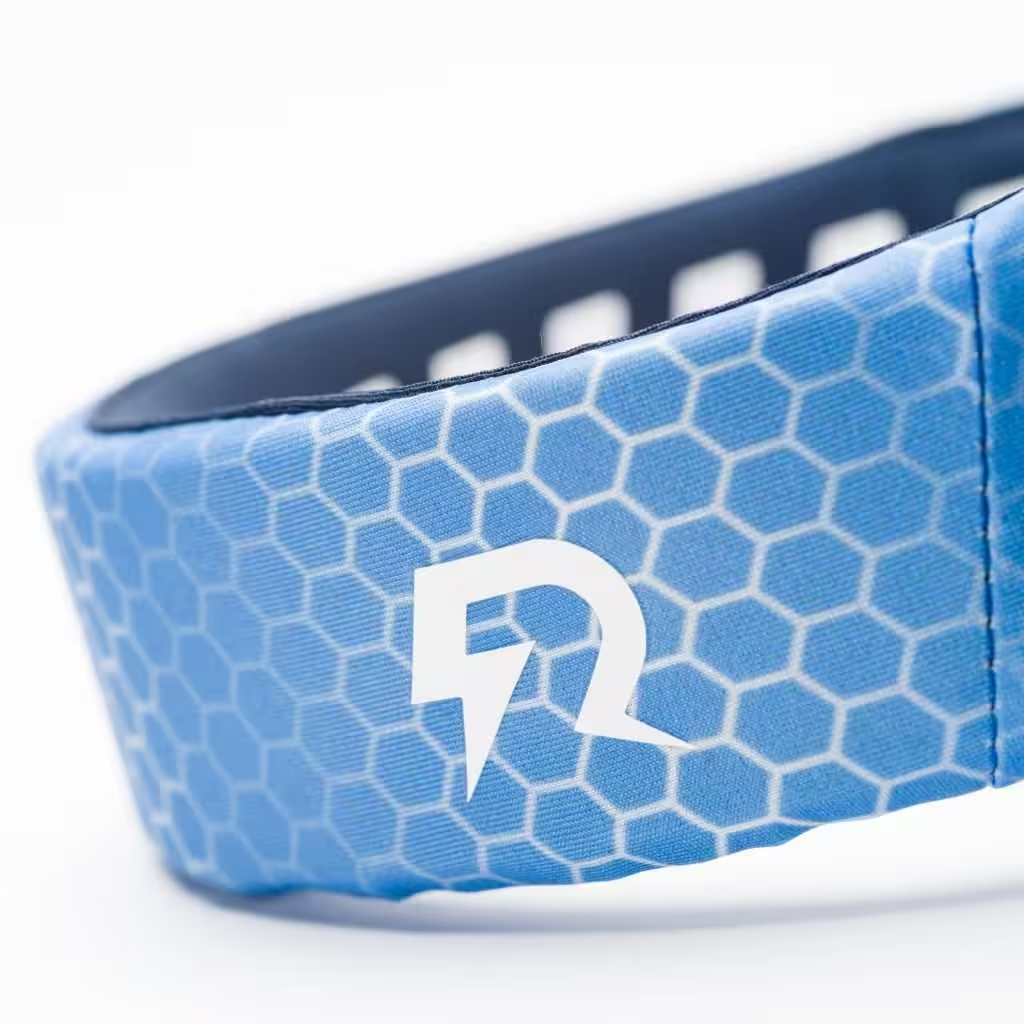
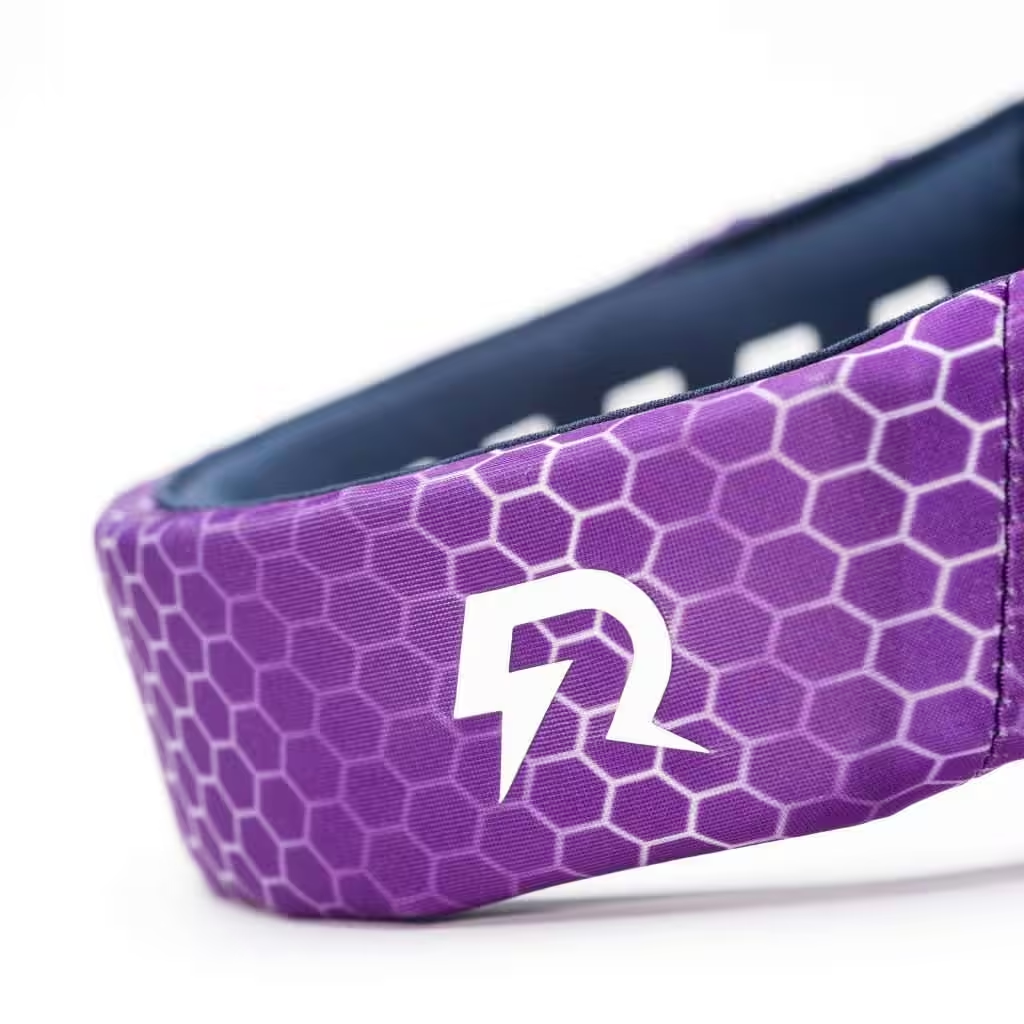
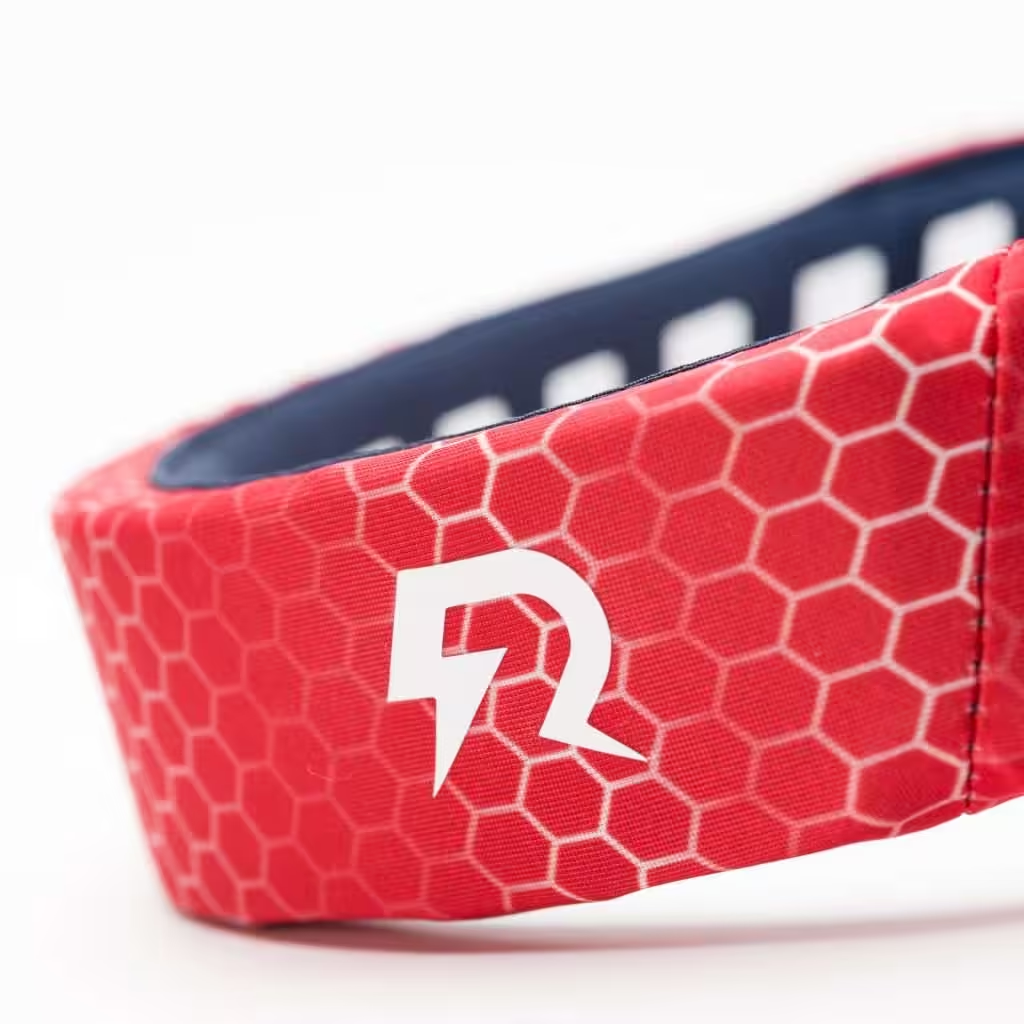
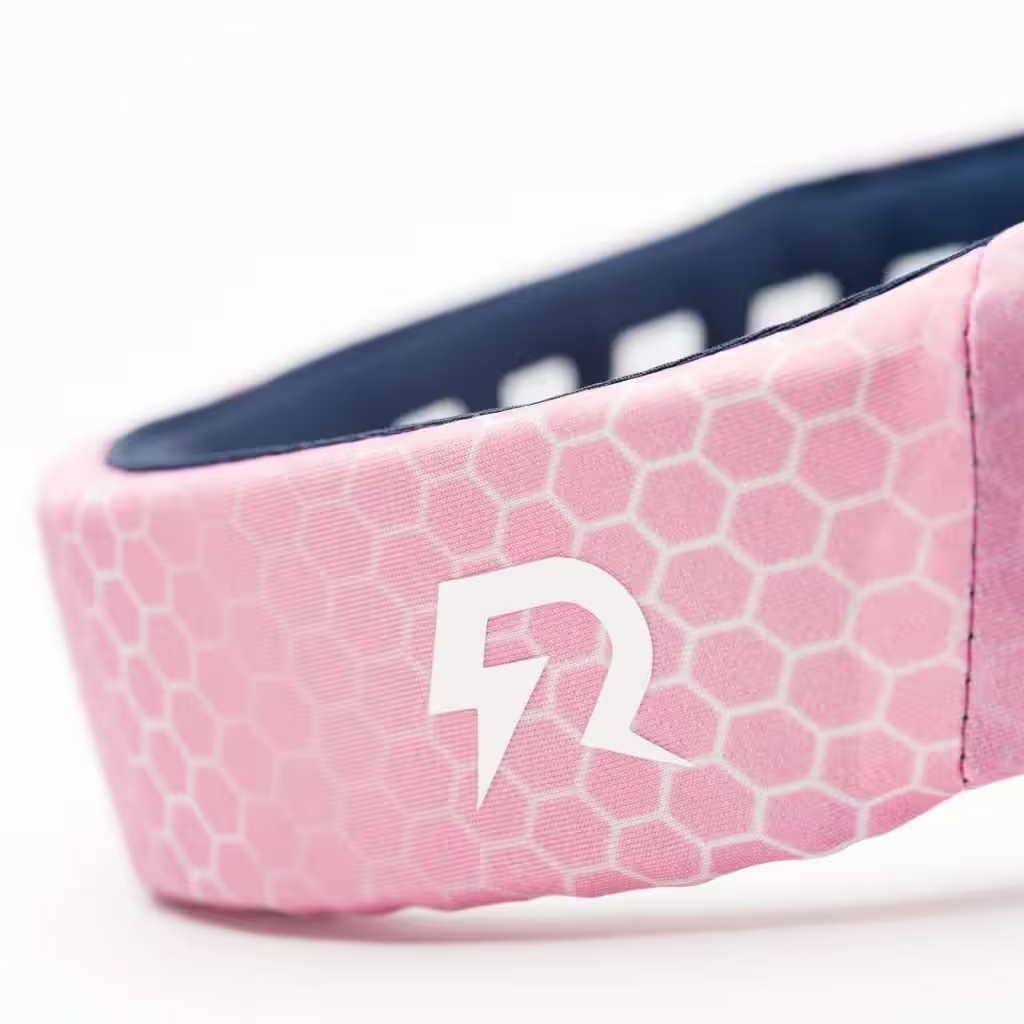
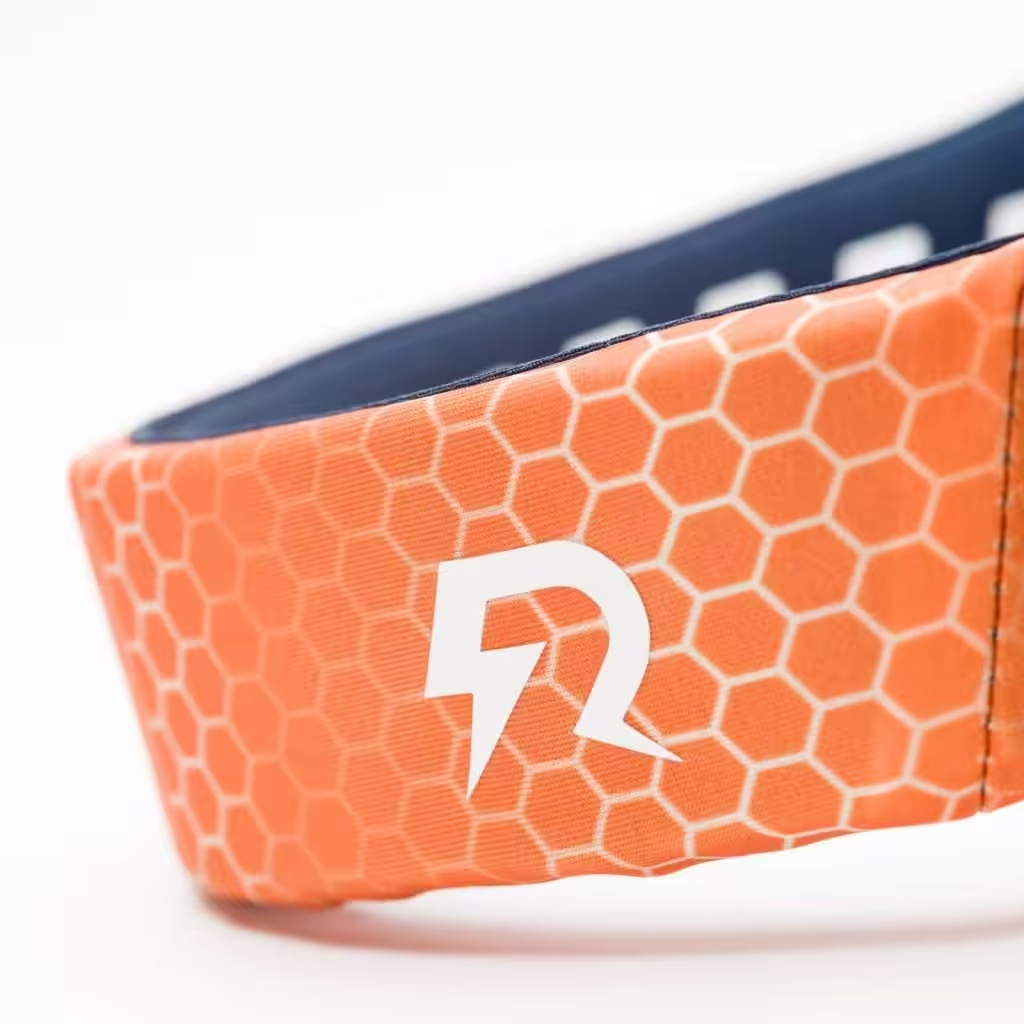
Rezon Halos®: Brain Protection in Baseball
Halos® is a groundbreaking headband that protects the brain. It’s the only headgear of its kind that is designed to reduce your risk of concussion and developing Chronic Traumatic Encephalopathy (CTE) from the accumulated damage of sub-concussions.
Why Halos®?
- Reduces concussion risk by 74%*
- Reduces rotational force to the brain by up to 61%, and linear force by up to 64%*
- Internationally recognised Virginia Tech 5 star safety rating
- CE/UKCA Category II PPE-certified
- Sleek, lightweight, flexible and hypoallergenic
- Water and tear-resistant
*based on independent testing
Frequently Asked Questions About Concussion in Baseball
- ‘It’s part of the story’: Young determined to move forward after scary concussion. DiComo A. MLB. 2026.
- Young out for season after ‘terrifying’ collision with McLean. DiComo A. MLB. 2026.
- Concussion biomechanics, head acceleration exposure and brain injury criteria in sport: a review. Tierney G. Sports Biomechanics. 2024.
- Factors Associated With Persisting Symptoms After Concussion in Adults With Mild TBI: A Systematic Review and Meta-Analysis. McIntosh SJ, Vergeer MH, Galarneau JM, Eliason PH, Debert CT. JAMA Network Open. 2025.
- Sport-related concussions in baseball and softball: do mechanisms of injury affect recovery? Dugan JE, Long CC, Sills T, et al. Neurosurgical Focus. 2024.
- Epidemiological analysis of pediatric baseball and softball concussions in United States emergency departments. Abed V, Hawk GS, Conley C, Akarakian R, Stone AV. American Journal of Emergency Medicine. 2023.
- Halos® Product Testing: International, Independent, Legal Certification. Rezon.
- Soccer Headgear Ratings: STAR Evaluation System. Virginia Tech Helmet Lab.
- Personal protective equipment at work: Head protection. Health and Safety Executive.
Author: Judith McMinn