

Jason Hobson: Why I Choose Rezon Halos® Brain Protection for My Sons
Former England rugby international Jason Hobson understands the consequences of repeated head impacts. Diagnosed with early-onset dementia and probable Chronic Traumatic Encephalopathy (CTE) at just 37, Jason is determined that his sons should have a different experience of brain protection in sport.
Throughout his professional career, which included representing England, Jason experienced years of repetitive concussive and sub-concussive head impacts during training and matches. He has no doubt that this cumulative exposure contributed to his neurological condition. Today, as a father and rugby coach, Jason remains passionate about the sport. He wants children to experience everything positive that rugby offers, but believes protecting the brain must become a fundamental part of participation.
Following a recommendation from his brain specialist, Dr Emer MacSweeney, Jason chose Rezon Halos® brain protection for his two sons, Oliver and Harrison.
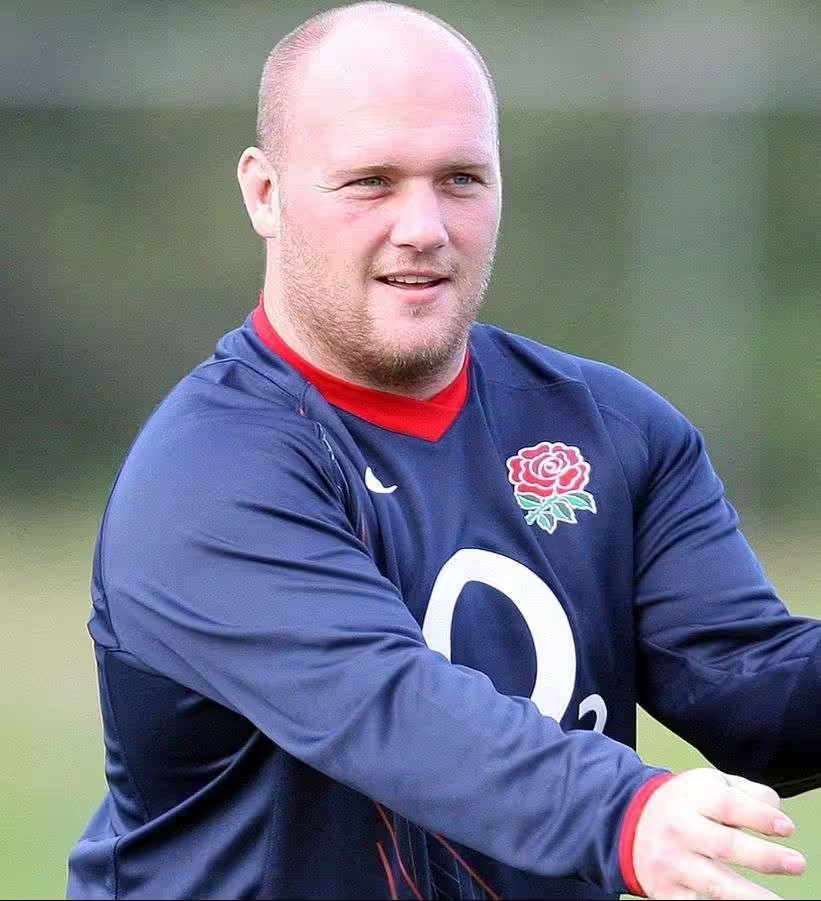
From Exeter to England: Jason Hobson’s Rugby Career
Jason Hobson’s rugby journey began in Cornwall, where he took up the sport seriously as a teenager. A powerful young player, Jason quickly progressed through county and regional rugby, representing Cornwall, the South West and England at age-group level.
His professional career took him through Exeter Chiefs, Bristol Rugby and London Wasps, culminating in his senior England debut against New Zealand in Christchurch in June 2008. He retired in 2014 following medical advice after a career affected by significant physical injuries [1].
For Jason, rugby offered much more than the opportunity to play professionally. Growing up, he describes himself as a young man who needed direction. Rugby gave him structure, camaraderie, discipline and a sense of belonging. He learned about teamwork, respecting other people, and how to respond to winning and losing with humility. Those experiences remain important to him today.
“It’s not just a sport, it’s a culture for me.”
One of rugby’s most enduring contributions to Jason’s life was his friendship with fellow professional player Neil Clark. The two played together at Exeter and Bristol, developing a close friendship that continued long after their professional careers ended. Their lives followed remarkably similar paths, through rugby, serious injuries, marriage, fatherhood and retirement.
Today, both Jason and Neil openly speak about living with CTE, having experienced serious neurological problems following their playing careers [2]. Their shared experience of brain injury has added another profound connection to a friendship that began on the rugby pitch. Although Jason retired from professional rugby in 2014, his involvement in the game has continued through coaching, including private player-development sessions and work with Bristol Schools Under-18s.
His love of rugby remains strong. But his understanding of the consequences of repeated head impacts has changed profoundly.
A Lifetime of Repeated Head Impacts
Looking back at his career, Jason believes the sheer volume of concussive and sub-concussive repeated head impacts he experienced was far greater than most people realise. That exposure began long before he reached professional rugby.
As a teenager, Jason was playing club rugby alongside county, regional and England age-group fixtures. He recalls travelling to selection events where young players could take part in multiple matches across a single weekend, sometimes with only a few hours between games. By 17 and 18, he was also playing adult rugby against physically mature players, while continuing to represent younger age-group teams.
The physical demands also extended far beyond match day. Jason describes intensive training sessions involving repeated scrummaging, rucking, mauling and contact drills, often on top of the impacts experienced during matches.
As a professional, a typical week could include strength training, lineout practice and prolonged contact sessions, with matches regularly involving 80 minutes of playing time. Sometimes, he recalls, additional training was scheduled following a defeat, reducing the time available to recover.
“It was the training to get ready for a game, or to get you fit, that did most of the damage, in my opinion.”
Jason also describes a playing culture in which admitting injury could be difficult.
Players wanted to keep their positions, earn selection and fulfil professional expectations. He recalls occasions when seeking medical assessment was discouraged, and being injured could attract criticism or lead to a player being excluded.
“If you took a knock, it was almost a shame thing. You were expected to endure it.”
That attitude extended to head impacts. Jason remembers experiencing ringing in his ears, visual disturbances and feeling dazed after collisions, yet continuing to play.
At the time, he says, players were given very little explanation of why concussion assessments were necessary or the long-term risks they were intended to address. Rather than understanding the assessments as important medical safeguards, players sometimes viewed them as obstacles that could prevent them from playing.
In the absence of a clear understanding of concussion, sub-concussion, and their consequences, Jason says players focused on finding ways to remain available for selection. Looking back, Jason has little doubt about the connection between his cumulative exposure to head impacts and the neurological problems he now experiences.
His experience of cumulative head impact exposure illustrates why brain injury in rugby cannot be understood solely through the number of diagnosed concussions a player suffers.
Living with CTE: Diagnosed at Just 37
After retiring from professional rugby, Jason initially began building a new career outside the sport, working with his father in a business producing replica aircraft for military and film projects. But approximately four years after retirement, he started noticing changes in his ability to manage everyday life.
He describes increasing difficulty coping with pressure, worsening memory, anxiety, disrupted sleep and challenges with work and relationships. Tasks and responsibilities that had previously been manageable became increasingly difficult. He struggled to follow conversations at work, deal with deadlines and cope with everyday pressures. At first, some of the difficulties were attributed to adjusting to life after professional rugby. But his behaviour and personality were also changing in ways that became increasingly apparent to those closest to him.
Jason recalls his father confronting him about his growing anger and changes in temperament. While Jason initially dismissed the concerns, his father recognised that something was wrong and suggested that his difficulties could be connected to his history of head impacts.
As his symptoms worsened, Jason sought medical help to understand what was happening. Following neurological assessments, sophisticated brain imaging and cognitive testing, he was told he had early-onset dementia and probable CTE [2]. He was just 37 years old.
“I was dealing with being diagnosed with dementia at 37. Not an old man by any means.”
At an age when many people are building careers, raising families and making plans for the future, Jason was confronting serious questions about his neurological health and independence.
He describes the diagnosis as arriving during an already difficult period in his personal life, affecting his relationships, work and ability to manage everyday challenges. His experience was made even more notable by the parallel journey of his closest friend, Neil Clark. Like Jason, Neil had spent years playing professional rugby, experiencing repeated head impacts and serious physical injuries. Following retirement, Neil also developed neurological problems and received diagnoses of early-onset dementia and probable CTE [2].
Both men openly say they are living with CTE. Having shared so much of their playing careers, they now find themselves facing similar neurological challenges.
“It was literally a copycat career. There was no difference in what we did from youngsters until we retired. It’s not a coincidence that both of us are pretty knackered now.”
For Jason, the fact that two close friends who shared so much of their professional rugby experience are now both living with serious neurological conditions is no coincidence. He is convinced that the repeated head impacts they experienced throughout their careers are responsible for the difficulties they face today.
Their experiences have strengthened his determination to raise awareness of brain injury in sport and encourage better protection for the current generation.
Understanding the Importance of Sub-Concussive Impacts
Jason’s understanding of brain injury has evolved profoundly since his playing days.
During his career, the focus was largely on recognisable concussions following significant head impacts. But brain injury in rugby is not limited to diagnosed concussions. Repetitive sub-concussive head impacts are central to understanding the potential long-term consequences of playing contact sport.
Sub-concussive impacts are head impacts that do not produce the recognised signs or symptoms of concussion. They nevertheless transmit mechanical forces to the brain, even when a player feels no immediate effect. At the centre of this injury mechanism are rotational forces.
When the head experiences rotational acceleration, the brain can deform within the skull, placing shear strain on delicate neural tissues. These forces are associated with mechanisms including axonal injury, vascular damage, disruption of the blood-brain barrier and neuro-inflammation [3].
Research has demonstrated an association between cumulative repetitive head-impact exposure and Chronic Traumatic Encephalopathy (CTE). A 2023 study examining the brains of former American football players found that measures incorporating cumulative linear and rotational acceleration were more closely associated with CTE pathology than reported concussion counts [4]. Further research has linked severe CTE pathology with dementia, reinforcing the importance of understanding the long-term consequences of repeated brain trauma [5].
These findings are particularly relevant because they demonstrate why focusing exclusively on recognised concussions fails to capture the full concern surrounding repetitive head-impact exposure. For Jason, understanding the importance of smaller-force, repetitive impacts has fundamentally changed how he views his playing career.
He believes the years of repeated contact during training and matches, beginning in childhood and continuing into professional rugby, explain the neurological difficulties he now experiences. That understanding is central to his determination to protect his own children.
Why Jason Still Wants His Sons to Play Rugby
Despite everything he has experienced, Jason remains passionate about rugby. His sons, Oliver and Harrison, both play the sport, and he wants them to enjoy the friendships, teamwork and personal development it can offer. Jason believes rugby teaches children to work together, respect others, develop confidence and handle success and disappointment. He also values the sense of belonging that comes from being part of a team.
“It’s the friendships they develop, the leadership qualities, being able to work within a team, listening and respecting adults.”
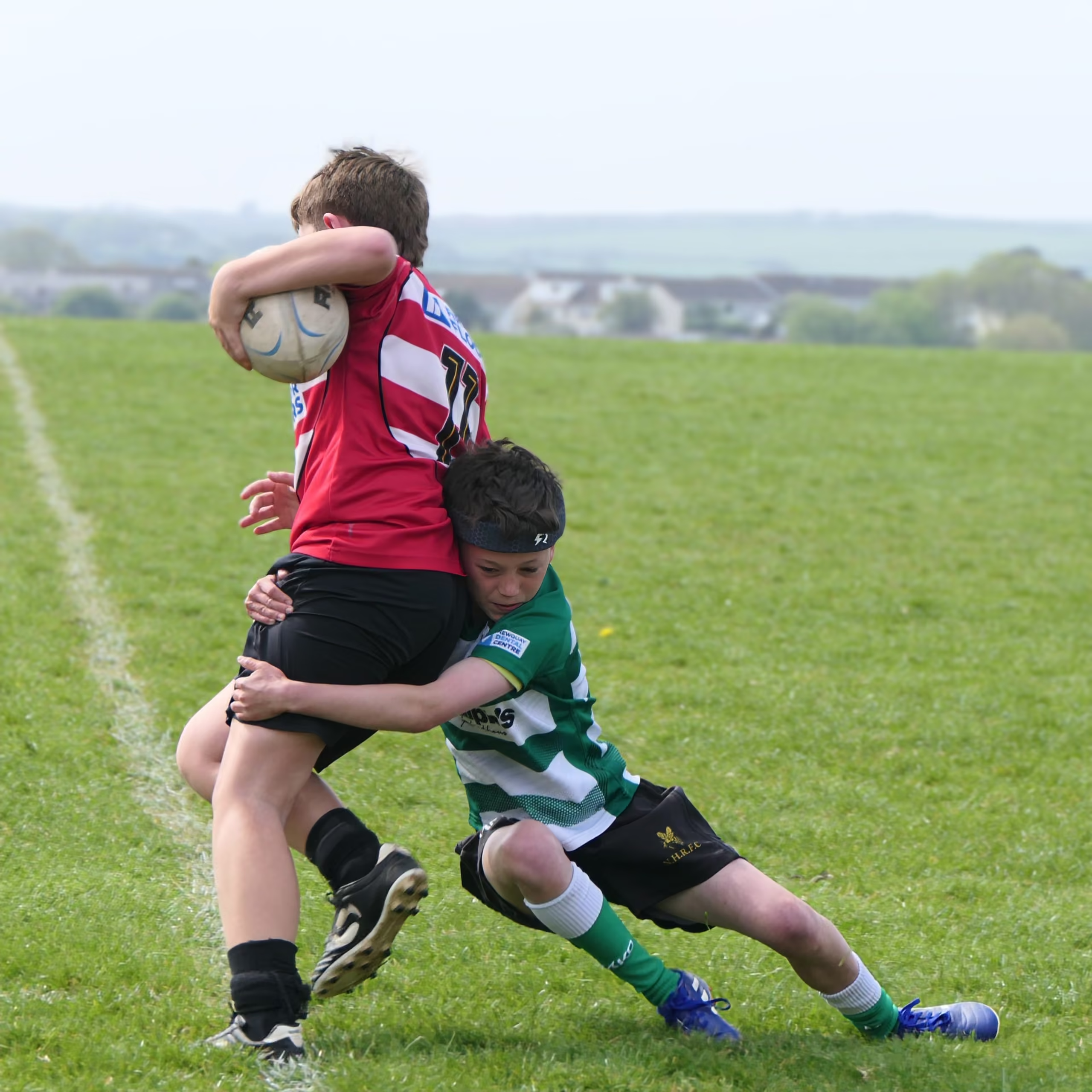
For Jason, the answer isn’t to remove children from rugby or change the game, but to improve how players are protected. He has explained his own neurological condition to his sons and why he wants them to take brain protection seriously. Both boys now wear Rezon Halos® when playing rugby and football. But Jason is clear that brain protection should not be considered a rugby-only issue.
Why Jason Chose Rezon Halos® for His Sons
Jason’s decision to choose Rezon Halos® began with a recommendation from Dr Emer MacSweeney, the brain specialist involved in his neurological care [6]. Jason credits Dr MacSweeney with making an enormous difference to his life following his diagnosis.
As his understanding of repetitive head impacts developed and Jason sought ways to protect his sons and the players he coaches, she recommended Rezon Halos® and introduced him to the company’s approach to brain protection.
“Dr Emer MacSweeney recommended Rezon Halos® to me for my sons.”
Through Dr MacSweeney, Jason was also introduced to Rezon founder Judith McMinn and learned more about the company’s technology and scientific approach. For Jason, Halos® offers a practical way to help reduce the transmission of forces his sons experience while they continue enjoying sport.
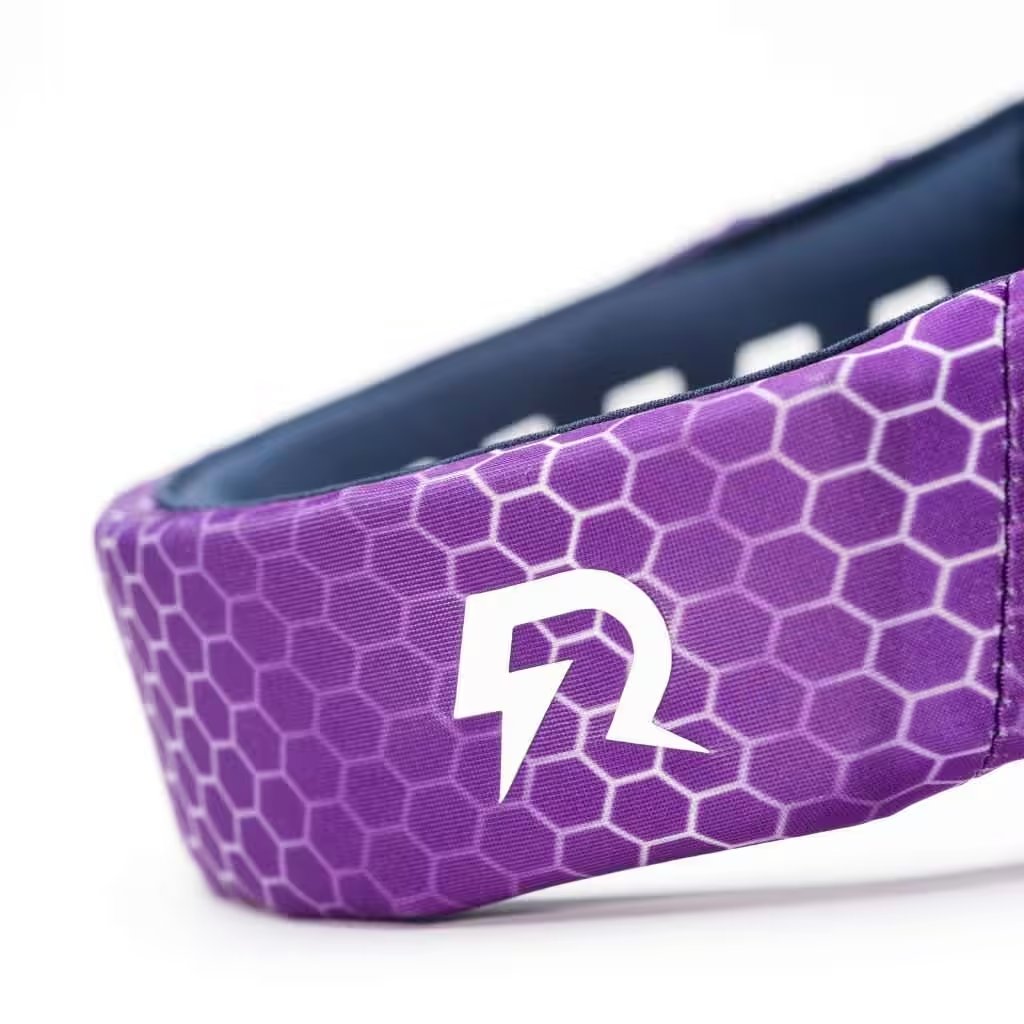
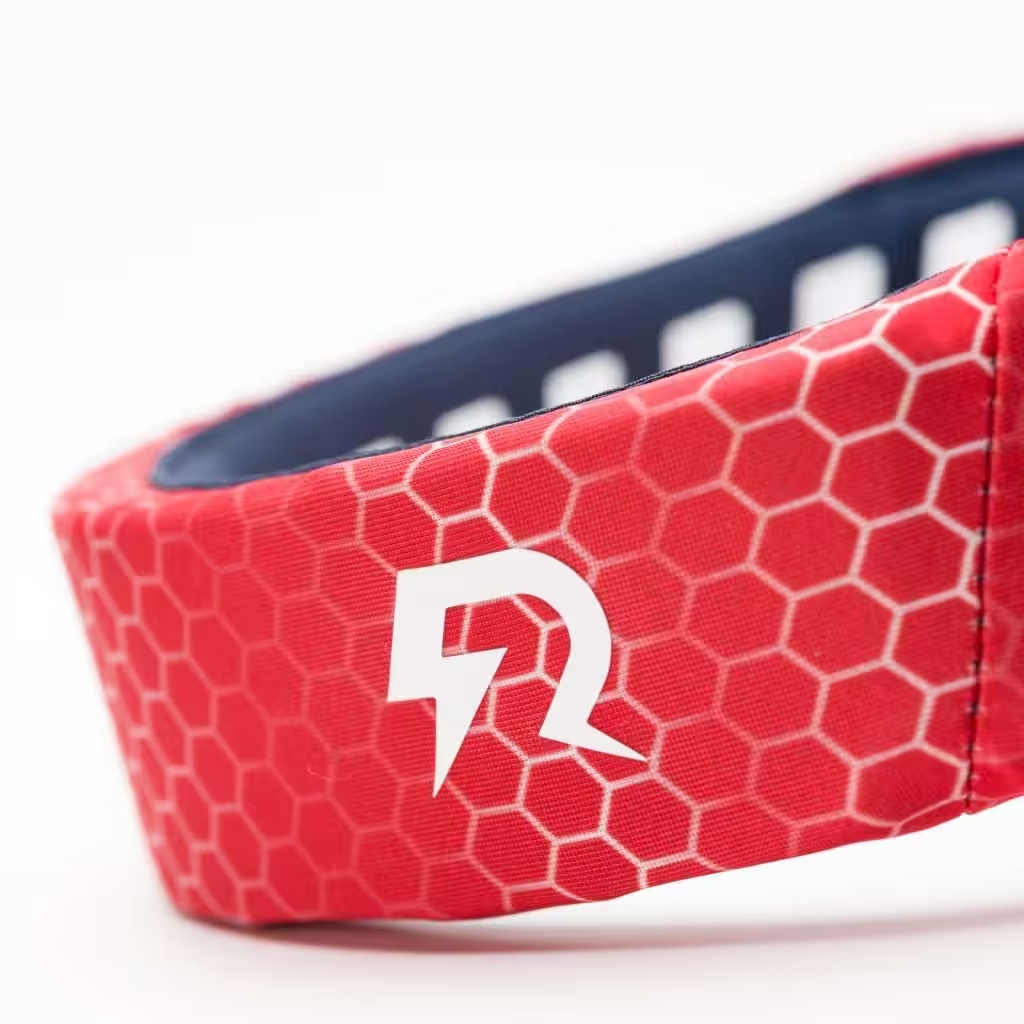
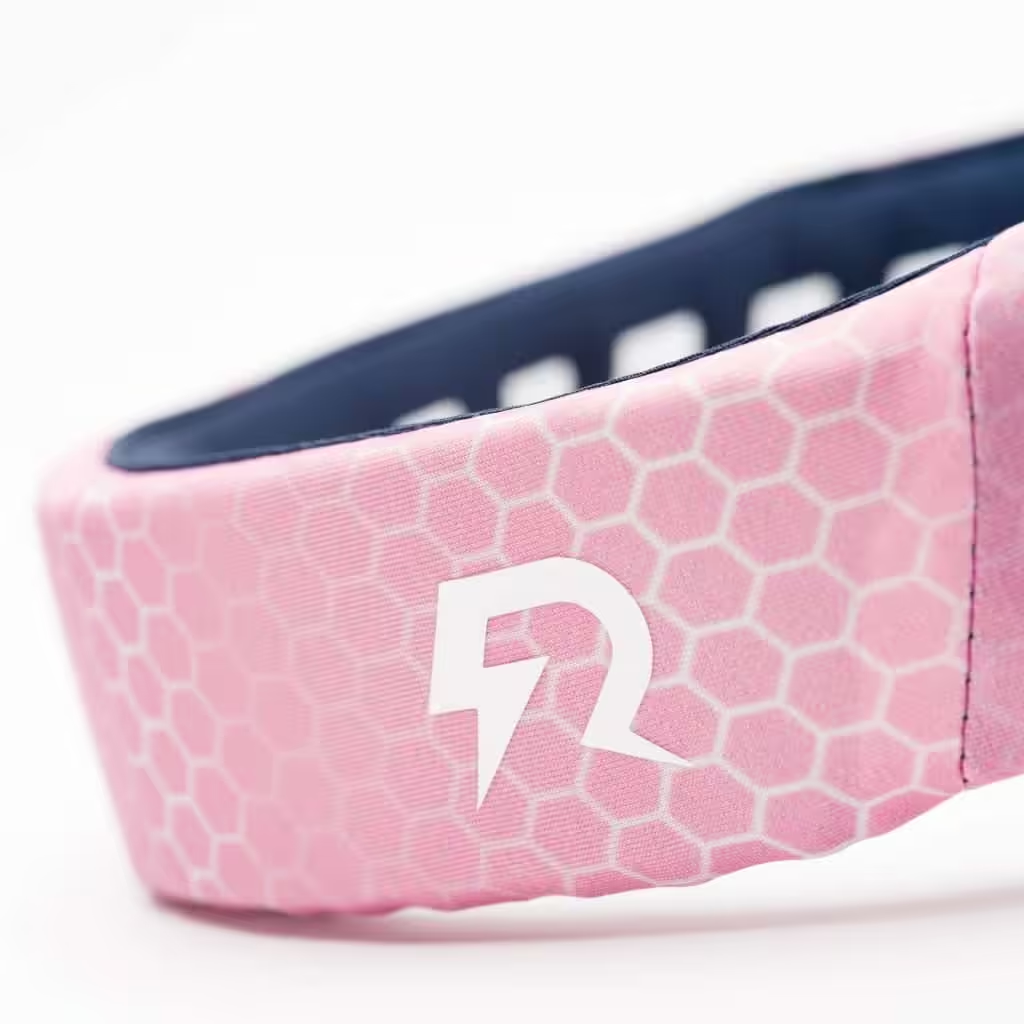
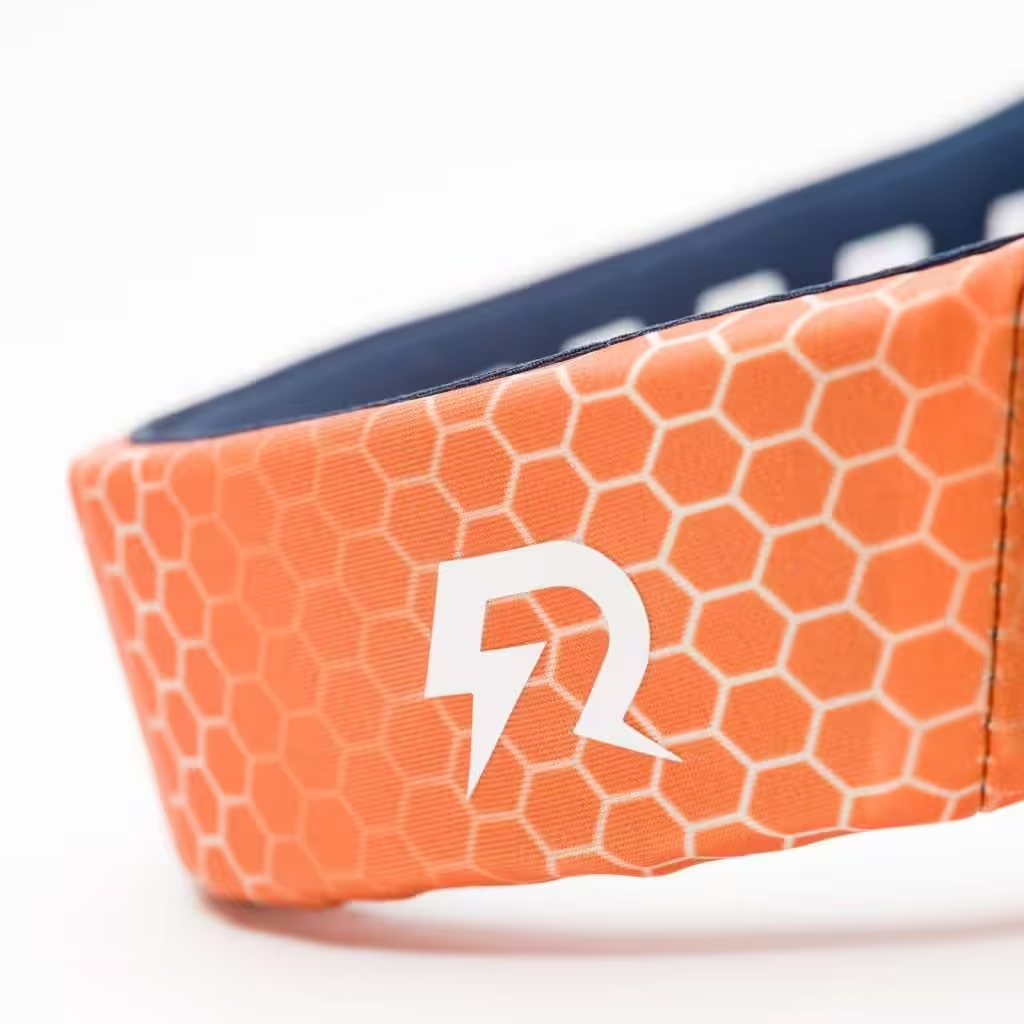
Rezon Halos® uses patented Rotection® technology, incorporating multiple sliding and deforming layers designed to reduce rotational-force transmission during head impacts. Halos® has undergone independent laboratory testing, demonstrating reductions of up to 61% in rotational acceleration and 64% in linear acceleration under specified head-to-head impact test conditions [7]. Halos® has also achieved the highest possible Virginia Tech 5-Star safety rating in the laboratory’s independent Soccer STAR evaluation [8].
Jason believes brain protection deserves the same consideration as other equipment commonly used in sport. He makes a particularly direct comparison with mouthguards.
“Everyone wears gumshields to look after their teeth. You can get new teeth, but unfortunately, you can’t get a new brain.”
For Jason, choosing Halos® is a decision grounded in what he has learned through experience, his specialist’s recommendation and his desire to protect his children’s long-term health. He cannot change the impacts he experienced during his own career, but he can make different decisions for the next generation.
Jason’s Message to Parents, Coaches and the Next Generation
Jason doesn’t want his experiences to discourage children from playing rugby. He wants the sport to become safer, with better awareness of brain injury and a stronger emphasis on protecting young players.
He believes that responsibility begins with the adults who introduce children to sport. Volunteer coaches, teachers and parents often dedicate enormous amounts of time to helping young people participate. Jason wants them to have the knowledge and tools to make informed decisions about brain health. He believes player welfare should be considered alongside technical skills, physical development and the values that make rugby special. And he wants young players to understand that protecting their brain should never be seen as a weakness.
“I don’t want to destroy the game. I just want to make it safer.”
Jason’s experiences, and those of his closest friend Neil Clark, have shaped his determination to help the next generation make more informed decisions. For him, the responsibility is ultimately about the children who will carry rugby into the future.
Adults have the opportunity and responsibility to teach young players that protecting their brain is just as important as learning to tackle, pass or compete.
The aim is not to take rugby away from children. It is to help them enjoy the game while reducing unnecessary exposure to the forces associated with brain injury.

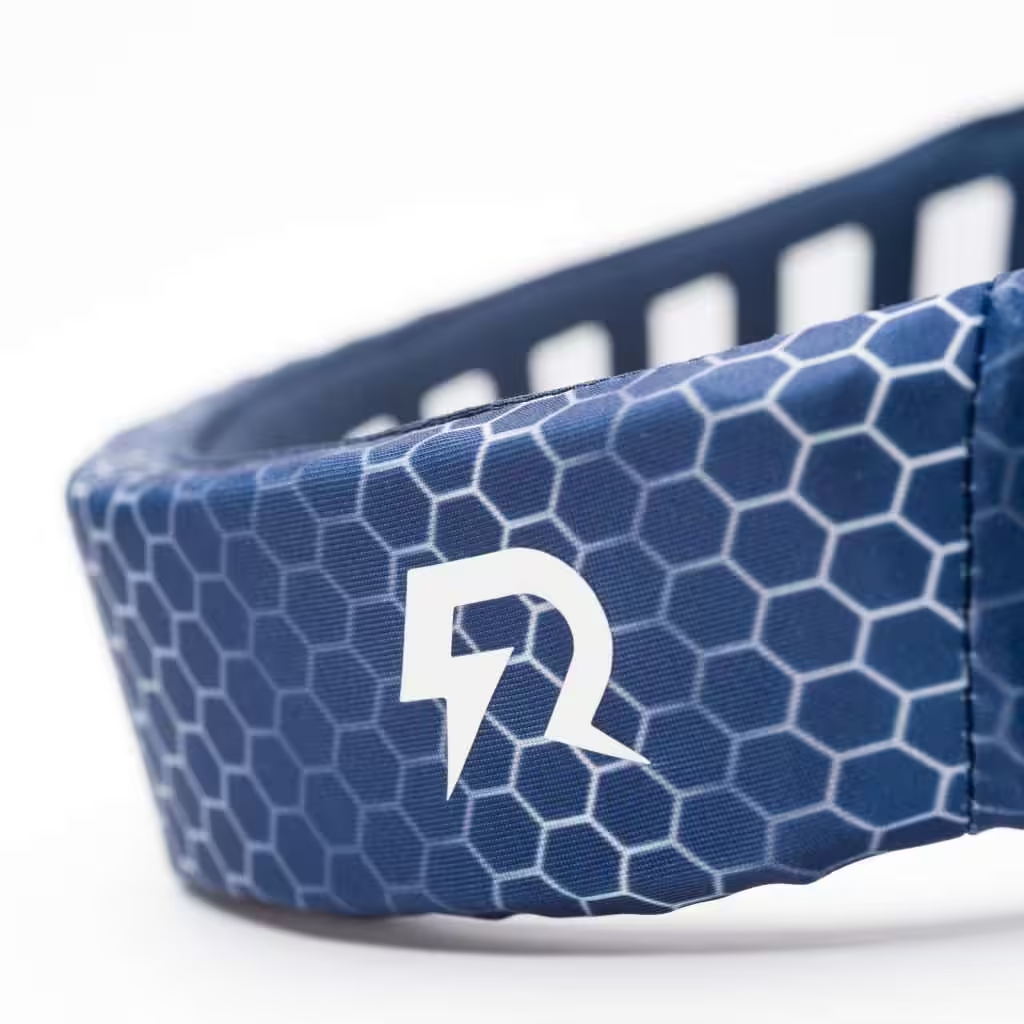
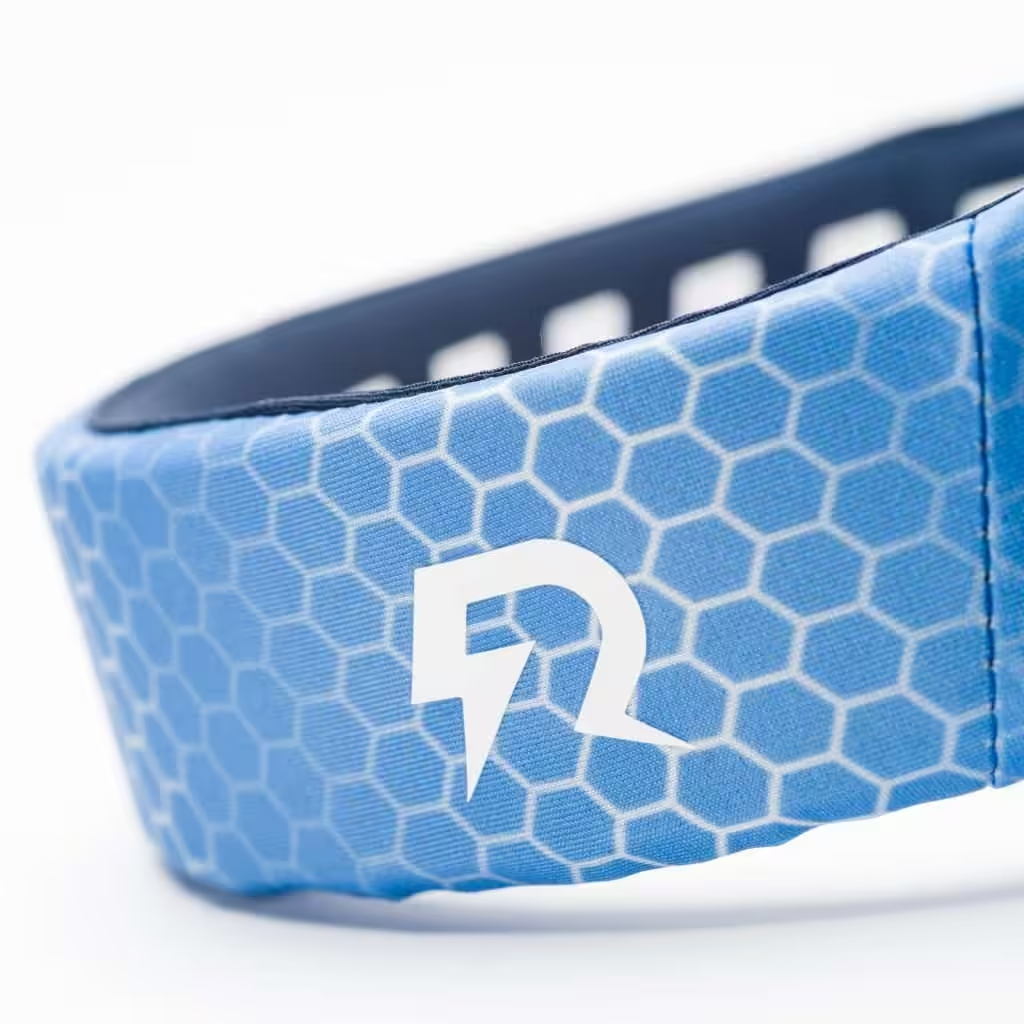
The Science Behind Jason’s Choice: Rezon Halos®
Halos® is a groundbreaking rugby headguard that protects the brain. It’s the only headgear of its kind that is designed to reduce your risk of concussion and developing Chronic Traumatic Encephalopathy (CTE) from the accumulated damage of sub-concussions.
Why Halos®?
- Reduces concussion risk by 74%*
- Reduces rotational force to the brain by up to 61%, and linear force by up to 64%*
- Internationally recognised Virginia Tech 5-Star safety rating [8].
- CE/UKCA Category II PPE-certified
- Sleek, lightweight, flexible and hypoallergenic
- Water and tear-resistant
- Machine washable
*based on independent testing
As seen in








- Jason Hobson: Bristol prop retires from rugby with immediate effect. BBC Sport. 2014.
- Rugby players got ‘married, divorced and dementia’ together. Slack, T. & Newbery, A. BBC News. 2024.
- Rotational Acceleration, Brain Tissue Strain, and the Relationship to Concussion. Post, A. & Hoshizaki, T.B. Journal of Biomechanical Engineering, 137(3). 2015.
- Leveraging football accelerometer data to quantify associations between repetitive head impacts and chronic traumatic encephalopathy in males. Daneshvar, D.H., et al. Nature Communications, 14, 3470. 2023.
- NIH-funded study clearly ties risk of dementia to severe CTE. National Institutes of Health. 2026.
- Dr Emer MacSweeney — Consultant Neuroradiologist. Professional biography and expertise in traumatic brain injury and cognitive impairment. Rezon.
- Our Laboratory Testing for Halos®. Independent impact testing, certification and reported performance outcomes. Rezon.
- Soccer Headgear Ratings. Independent laboratory evaluation using the STAR methodology, including Rezon Halos®. Virginia Tech Helmet Lab. 2026 edition.